1
Confirm the designs and functional requirements
Before development, review the page list, mobile layouts and interaction states, and clarify navigation, forms and content presentation. Discuss and confirm any missing design or functional details before starting development.
2
Define the scope of pages, the CMS and integrations
Confirm the scope of page development, content management and API integrations according to project requirements. Assess membership, payments and complex business functions separately, and clarify the materials, collaboration and deliverables required.
3
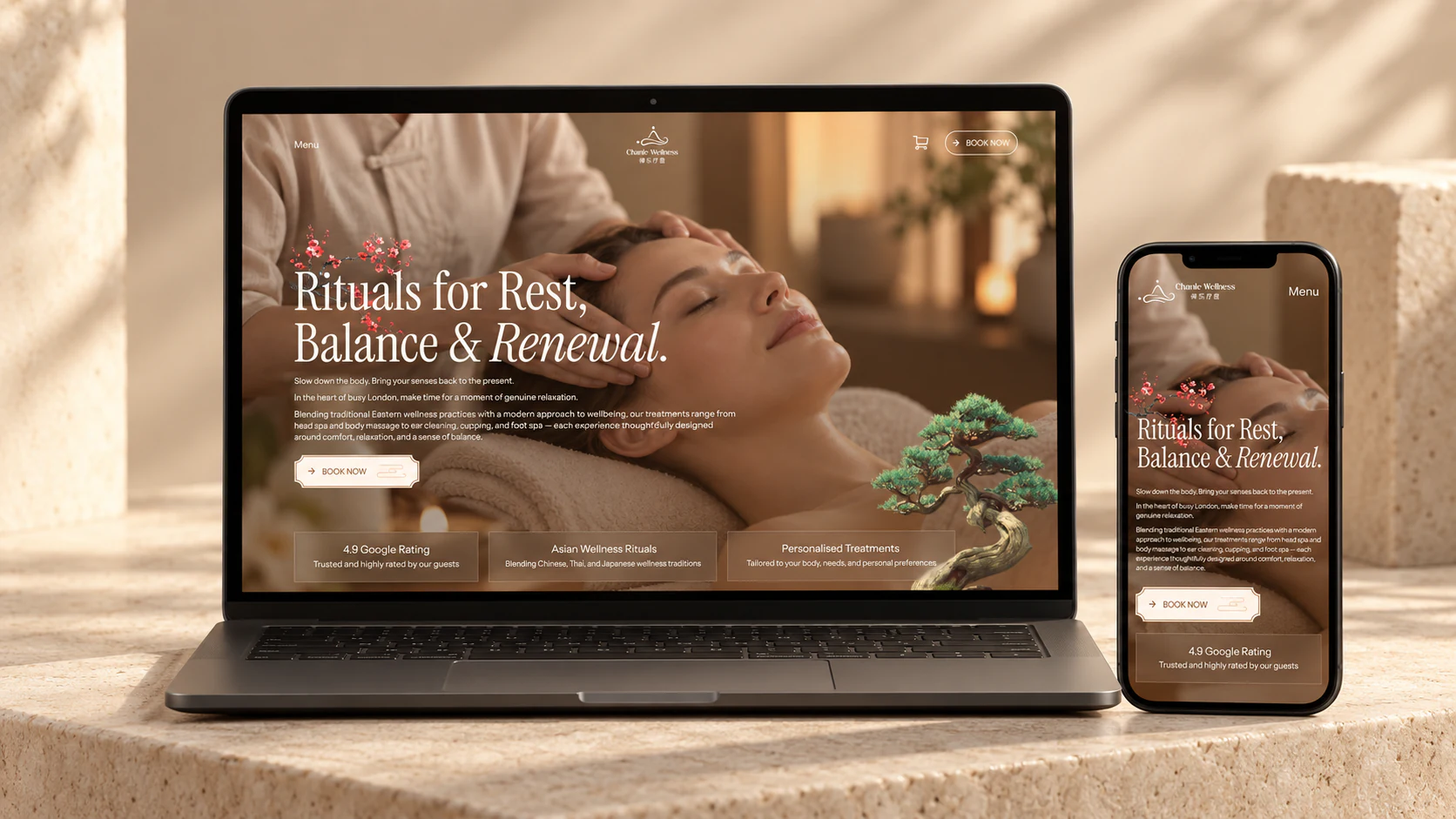
Support browsing across devices and content maintenance
Adapt the website for desktop and mobile, and check layouts with real text, images and tables. Configure content templates and editing functions as needed to make everyday updates easier, while considering loading performance and usability.
4
Complete testing and launch acceptance
Test page display, browser compatibility, form submissions and integrations. Check page titles, indexing, sitemaps and other basic settings. Document and fix issues, then complete acceptance against the agreed criteria.
5
Hand over source code and deployment instructions
Deliver the website source code, deployment instructions and maintenance documentation as agreed, and assist with account and environment handover. Explain third-party services, licensing costs and maintenance responsibilities so the client can continue using the site or hand it over to a technical team.