App Interface Design
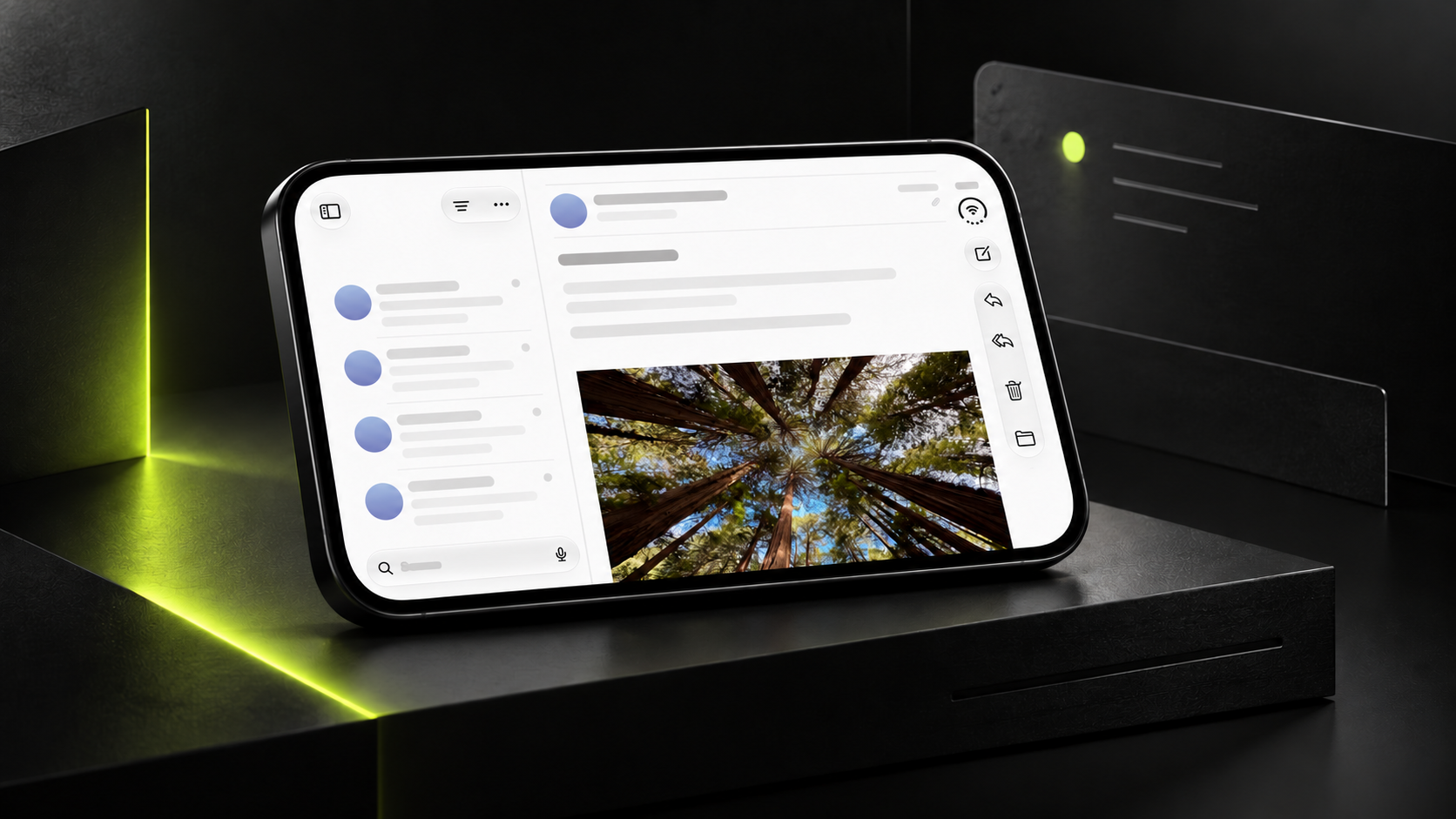
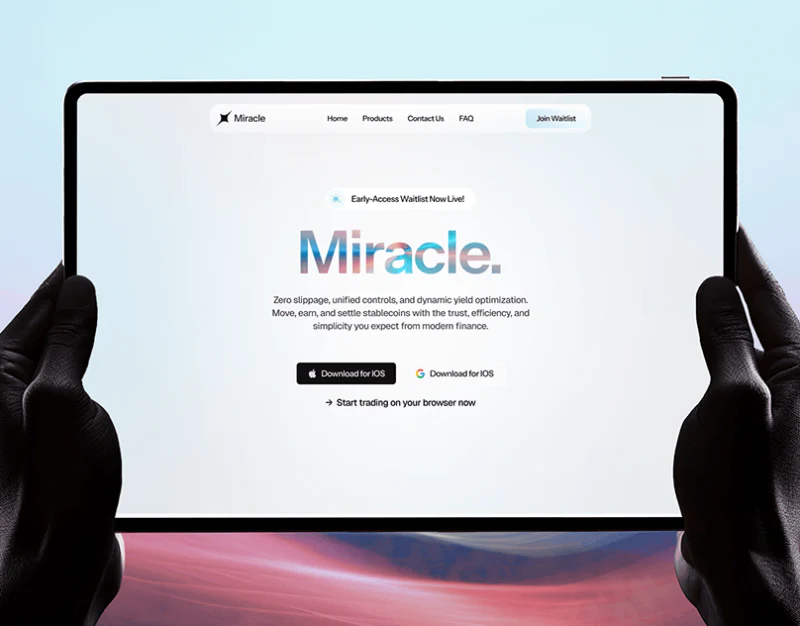
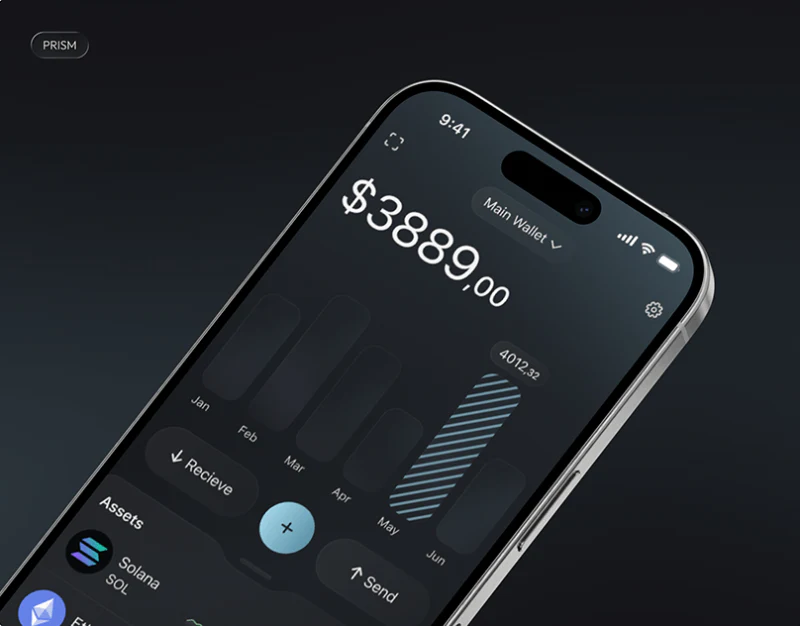
High-quality mobile interfaces that are clear, intuitive and commercially competitive.
Create clear, usable digital product experiences that can keep evolving, with a focus on product experience and design-led conversion.
High-quality mobile interfaces that are clear, intuitive and commercially competitive.

Analyze user behavior and optimize journeys to reduce friction and conversion loss.

Professional design for enterprise backends, management systems and SaaS products to improve business efficiency and usability.

Validate product ideas early and reduce development risk and communication costs.

Create unified components and standards for faster teamwork and consistent products.

Provide complete specifications and assets so designs can be implemented accurately.
From understanding requirements to design handover, every phase focuses on user experience and business value.
Understand the business model, product goals, user groups and functional needs to define the project direction and core objectives.

Map user profiles, core scenarios and pain points to identify product opportunities and improvements to the experience.

Build the information architecture, feature framework, page flows and interaction logic.

Define the visual language and design system, then craft core screens and interface details.

Deliver source files, component rules and development specifications with implementation support.

Scope and delivery details
Map target users, use cases, existing journeys and key tasks, distinguishing new-product design from improvements to an existing product. Use page structures and interaction prototypes to discuss functional boundaries, prioritizing confusing steps, repeated work and unclear feedback. Research methods and participation depend on project conditions; unverified growth figures do not replace an assessment of requirements.
Alongside the main screens, confirm loading, empty, error, permission and completion states. Organize components, typography, colours, spacing and interaction rules around product needs so the interface can continue to grow. Apps, SaaS products and enterprise systems have different information densities and interaction patterns; a set of static screenshots alone does not define the deliverables.
Agree on how editable source files, prototypes, component guidance and developer specifications will be delivered, and complete edge states based on implementation feedback. Define UI/UX design and product development as separate scopes. Where development collaboration is needed, confirm technical constraints, iteration plans and acceptance criteria first.
Understand the service scope and delivery requirements before preparing your project brief.

Years of design and development experience
12+Successful projects
500+

Partner companies
200+Countries and regions covered
15+
Serving technology, AI, finance, healthcare, manufacturing and other industries
UI (User Interface) design focuses on visual presentation, including layouts, colours, icons, typography and components. UX (User Experience) design focuses on research, product journeys, information architecture, interaction logic and usability. Strong products usually combine UI and UX to achieve both visual quality and ease of use.
Our UI/UX services usually include user research, competitor analysis, information architecture, interaction prototypes, visual interface design, design systems, high-fidelity screens and developer handover support. They can be combined according to product stage, covering new products and improvements to existing ones.
Yes. Many clients start with a business idea or product requirement. We help clarify the business logic, plan the page structure and user journeys, and develop prototypes and visual designs so the product can move into development more smoothly.
Yes. We provide UI/UX design for apps, corporate websites, SaaS platforms, management systems, mini programs and web products, with a consistent visual language and interaction rules across the required devices.
Yes. Before design, we analyse the experience against product goals, user behaviour and competitors. We identify issues affecting conversion and efficiency, then improve journeys, information hierarchy and interactions.
Yes. Projects usually begin with low- or high-fidelity interaction prototypes to confirm product flows, page logic and functional structure before visual design, reducing development rework.
Yes. For medium and large products, we can establish a complete design system covering colours, typography, components, buttons, icons, forms, spacing and design rules to support development collaboration and continued iteration.
Yes. We can design for iOS, Android, web and tablets according to product requirements, following each platform’s conventions to provide a consistent, usable experience across devices.
Deliverables can include Figma source files, design guidelines, component libraries, icon assets, export instructions and developer specifications to help the engineering team implement the product efficiently.
Yes. We can work with your internal or third-party developers, providing specifications, implementation answers, design reviews, acceptance checks and launch support to help reproduce the design accurately.
Timing depends on product scale. A typical MVP takes about 2–4 weeks, while medium and large products usually take 4–8 weeks. Complex business systems or designs for multiple platforms are estimated according to requirements.
Yes. After launch, we can provide ongoing feature iterations, interface improvements, experience upgrades, design-system maintenance and design for new modules.
Improve customer satisfaction, product conversion and market competitiveness through thoughtful UX and UI design.
Get a UX/UIDesign Plan