
Website & Design Insights
Explore website planning, UI/UX, brand identity and practical delivery checklists.
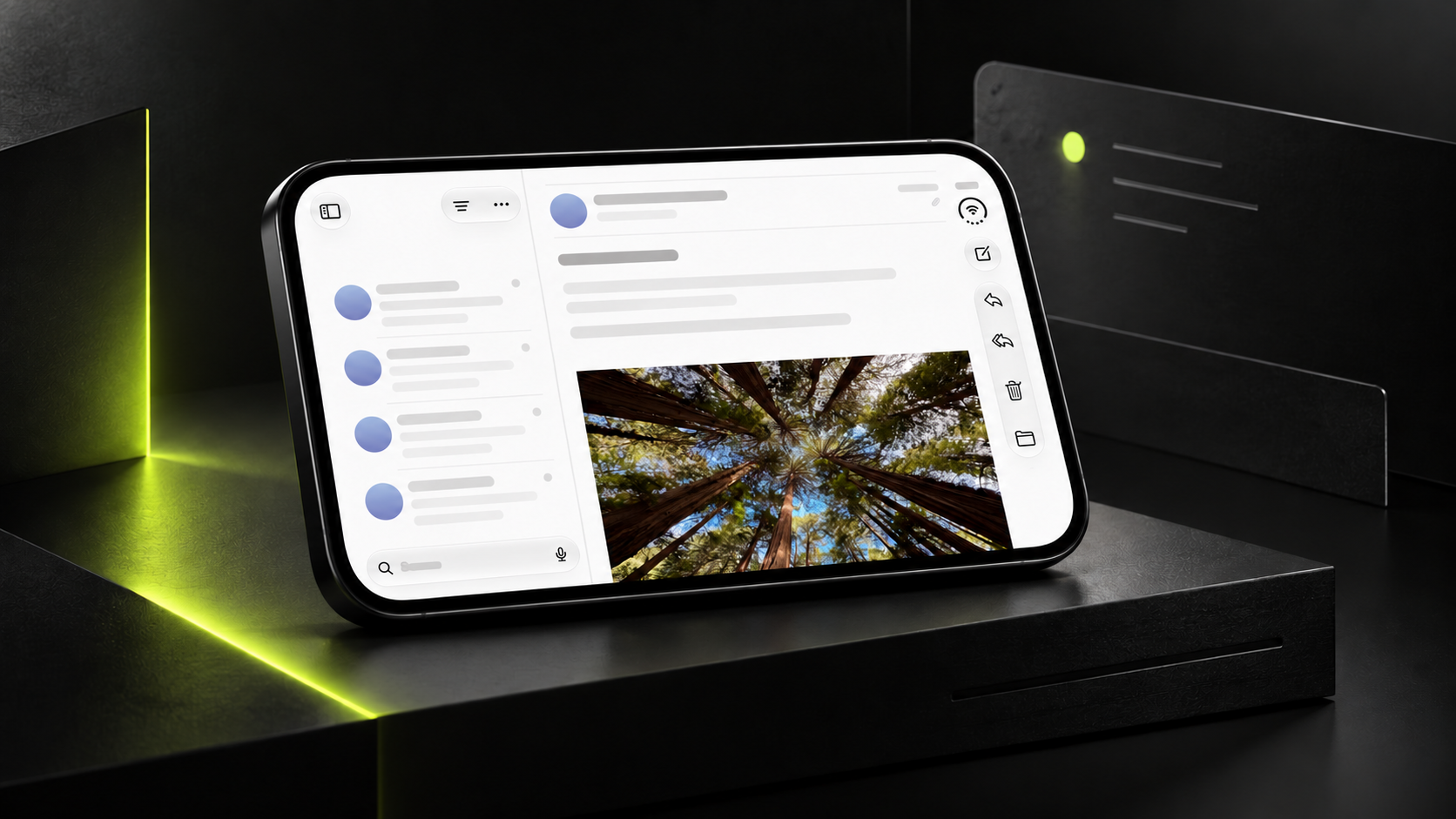 iPhone Duo UI/UX Adaptation: Foldable Design Is More Than Extra Screen Sizes
The real change introduced by iPhone Duo is not a few extra artboard sizes. It is that the same product can continuously change its available space, orientation, screen divisions and interaction posture while someone is using it.
Interface Design
iPhone Duo UI/UX Adaptation: Foldable Design Is More Than Extra Screen Sizes
The real change introduced by iPhone Duo is not a few extra artboard sizes. It is that the same product can continuously change its available space, orientation, screen divisions and interaction posture while someone is using it.
Interface Design
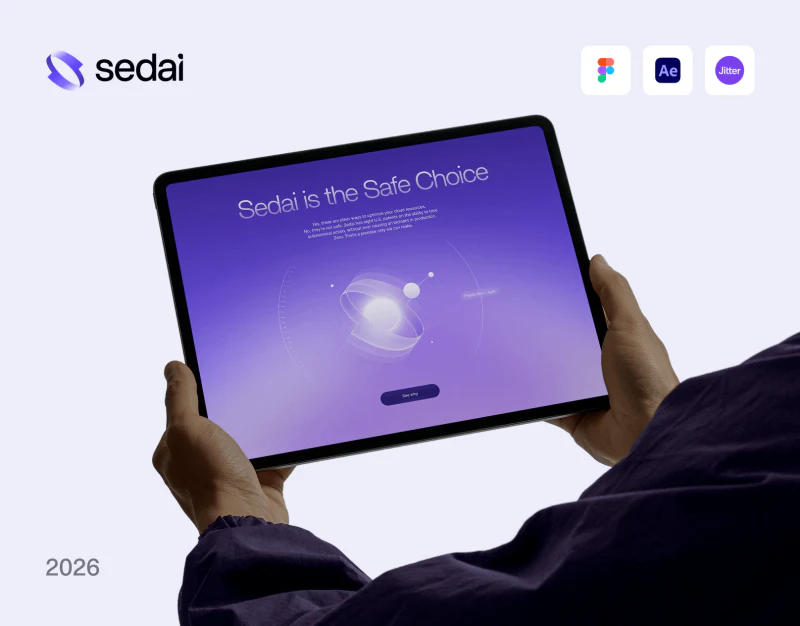 Cloud Product Website Design: A Purple Visual Argument
Sedai’s cloud product website uses a glowing purple core to express a technical character, then incoming calls, cost bars, and checklists to address separate topics. Information takes more than one abstract illustration: brand atmosphere stays consistent while each reader concern gets its own image.
Interface Design
Cloud Product Website Design: A Purple Visual Argument
Sedai’s cloud product website uses a glowing purple core to express a technical character, then incoming calls, cost bars, and checklists to address separate topics. Information takes more than one abstract illustration: brand atmosphere stays consistent while each reader concern gets its own image.
Interface Design
 Technology Brand Website Design: A System in Blue
In these Sui technology brand website designs, blue is more than a shared background. Glows, ring fragments, and vertical textures recur, then recede within research summaries and rule pages. The value of a visual system lies in allowing different content densities within the same language.
Interface Design
Technology Brand Website Design: A System in Blue
In these Sui technology brand website designs, blue is more than a shared background. Glows, ring fragments, and vertical textures recur, then recede within research summaries and rule pages. The value of a visual system lies in allowing different content densities within the same language.
Interface Design
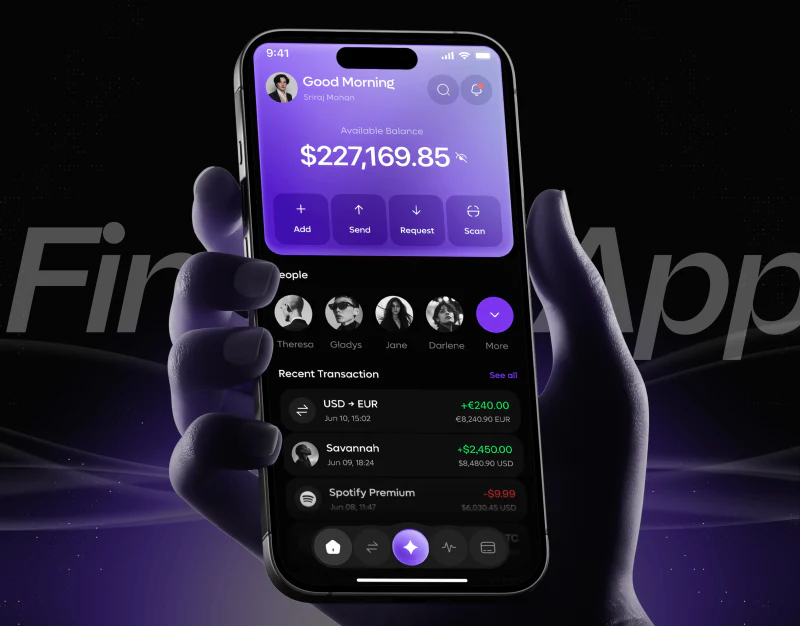 AI Wallet App Design: Voice Creates an Editable Draft
Fintora emphasizes voice with black backgrounds, purple gradients and waves, while retaining common money actions and transaction lists on the homepage. Voice can express several conditions in one sentence; records help review results. Between them, the essential element is a clear, editable instruction summary.
Interface Design
AI Wallet App Design: Voice Creates an Editable Draft
Fintora emphasizes voice with black backgrounds, purple gradients and waves, while retaining common money actions and transaction lists on the homepage. Voice can express several conditions in one sentence; records help review results. Between them, the essential element is a clear, editable instruction summary.
Interface Design
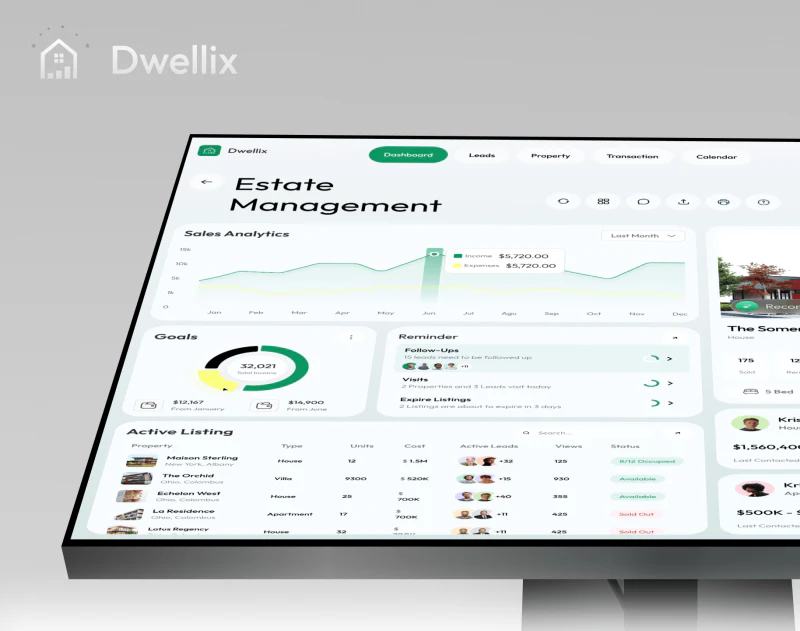 Real Estate CRM Interface Design: People and Properties
Dwellix’s real estate CRM interface places properties, customers, and follow-up reminders on one pale gray-green dashboard. Green buttons stand out, while house photographs and portraits help identify objects. The useful idea is giving everyday work a place alongside statistics; a closer review asks whether the cards connect around the same customer and property.
Interface Design
Real Estate CRM Interface Design: People and Properties
Dwellix’s real estate CRM interface places properties, customers, and follow-up reminders on one pale gray-green dashboard. Green buttons stand out, while house photographs and portraits help identify objects. The useful idea is giving everyday work a place alongside statistics; a closer review asks whether the cards connect around the same customer and property.
Interface Design
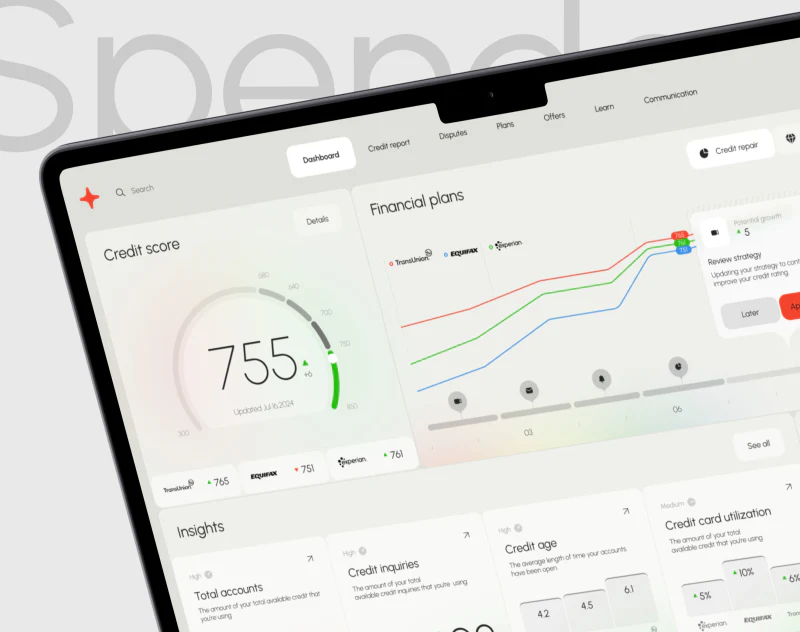 Credit Dashboard Design: Scores, Sources, and Trends
Spendex’s credit dashboard design places a large score inside a semicircle and retains three agency cards directly below. After the prominent number, readers can continue into differences between sources. Pale backgrounds, fine curves, and red-green indicators keep the overview light without reducing its information to a single gauge.
Interface Design
Credit Dashboard Design: Scores, Sources, and Trends
Spendex’s credit dashboard design places a large score inside a semicircle and retains three agency cards directly below. After the prominent number, readers can continue into differences between sources. Pale backgrounds, fine curves, and red-green indicators keep the overview light without reducing its information to a single gauge.
Interface Design
Interface Design
iPhone Duo UI/UX Adaptation: Foldable Design Is More Than Extra Screen Sizes
The real change introduced by iPhone Duo is not a few extra artboard sizes. It is that the same product can continuously change its available space, orientation, screen divisions and interaction posture while someone is using it.
Cloud Product Website Design: A Purple Visual Argument
Sedai’s cloud product website uses a glowing purple core to express a technical character, then incoming calls, cost bars, and checklists to address separate topics. Information takes more than one abstract illustration: brand atmosphere stays consistent while each reader concern gets its own image.
Technology Brand Website Design: A System in Blue
In these Sui technology brand website designs, blue is more than a shared background. Glows, ring fragments, and vertical textures recur, then recede within research summaries and rule pages. The value of a visual system lies in allowing different content densities within the same language.
AI Wallet App Design: Voice Creates an Editable Draft
Fintora emphasizes voice with black backgrounds, purple gradients and waves, while retaining common money actions and transaction lists on the homepage. Voice can express several conditions in one sentence; records help review results. Between them, the essential element is a clear, editable instruction summary.
Real Estate CRM Interface Design: People and Properties
Dwellix’s real estate CRM interface places properties, customers, and follow-up reminders on one pale gray-green dashboard. Green buttons stand out, while house photographs and portraits help identify objects. The useful idea is giving everyday work a place alongside statistics; a closer review asks whether the cards connect around the same customer and property.
User Experience

Conflicting Prototype Review Opinions: Use Testable Questions Instead of Meeting Votes
When review opinions conflict, identify intended user tasks and evidence before choosing direct revisions or validation. Votes show preference but do not prove user suitability. Record questions, hypotheses, tests and decision owners.

A Prototype Click Always Succeeds: How Do You Add Waiting, Failure and Retry Routes?
A prototype click that always succeeds expresses the normal path but does not validate waiting, failure or retry rules. Add states and branches for key actions so reviewers understand what users see, can do and what data state may exist before deciding readiness for the next stage.

What Can a UI-only Procurement Contract Omit? Define UX Decisions and Interface Outputs Separately
A contract saying only UI design may leave task research, flow judgment, validation and business approval unassigned. Define problems and interface outputs separately and check dependencies. Complete UX needs depend on project conditions; service names alone cannot establish inclusions.

“This Is Hard to Use”: Should You Change the UI or Redesign the UX Flow?
When users say something is hard to use, locate the step where they cannot continue before deciding whether expression, flow or business conditions need changing. UI and UX distinctions help responsibilities, but issues often cross both. Classifying by job title first may leave users facing the same failure.

New and Returning Visitors Share One Website: How Should UX Check Their Different Search Paths?
When new and returning visitors use one site, check understanding before selection and direct discovery of known objects separately. Navigation may be shared, but starts, explanations and success criteria differ. Familiar employees completing tasks do not prove first-time visitors can do so.
Branding

How Do Brand Design Fees Distinguish Revisions from Application Expansion? Logo Proposal Counts Are Not Scope
Distinguish brand revisions and expanded applications by established goals, direction and uses. Refining an approved proposal, selecting a new direction and adding touchpoints are different work. Logo proposal counts describe only part of the arrangement, not complete VI, strategy or daily applications.

Can Asking a Logo Price Estimate Brand Design Costs? Distinguish Logo, VI and Strategy Deliverables
Asking only how much a logo costs cannot estimate complete brand design fees: logos, VI and strategy address different tasks. Identify needed judgments, identity assets and applications before comparing equivalent budgets. Logo proposal prices do not represent complete VI or brand strategy delivery.
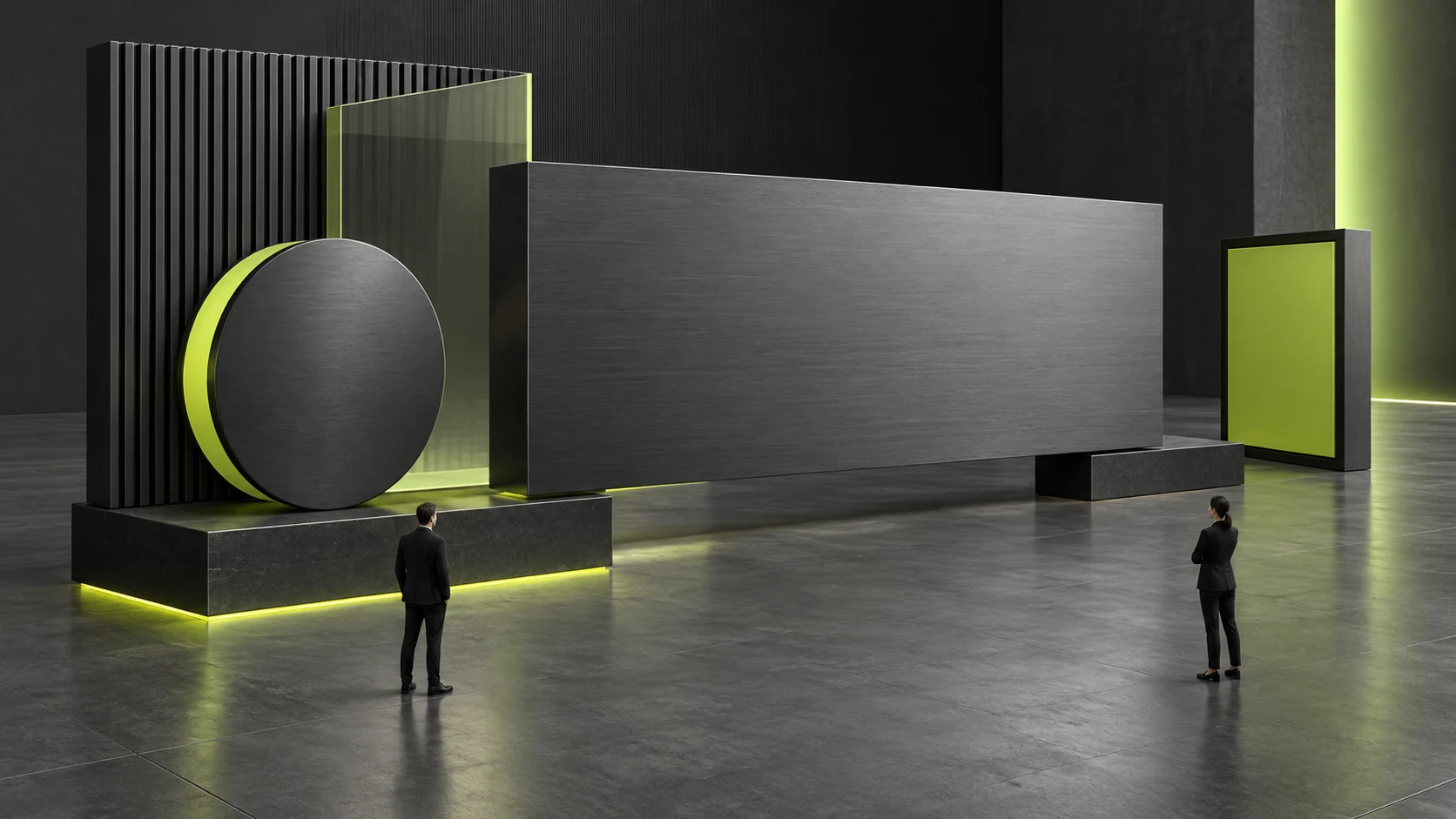
After VI Application Designs, Test Real Content: Can Templates Hold Long Titles and Varied Assets?
After VI application designs, insert common titles, long names, varied images and necessary explanations to test recognition and readability. Attractive samples do not establish daily usability. Acceptance should define replaceable content, preserved structures and treatment beyond limits.
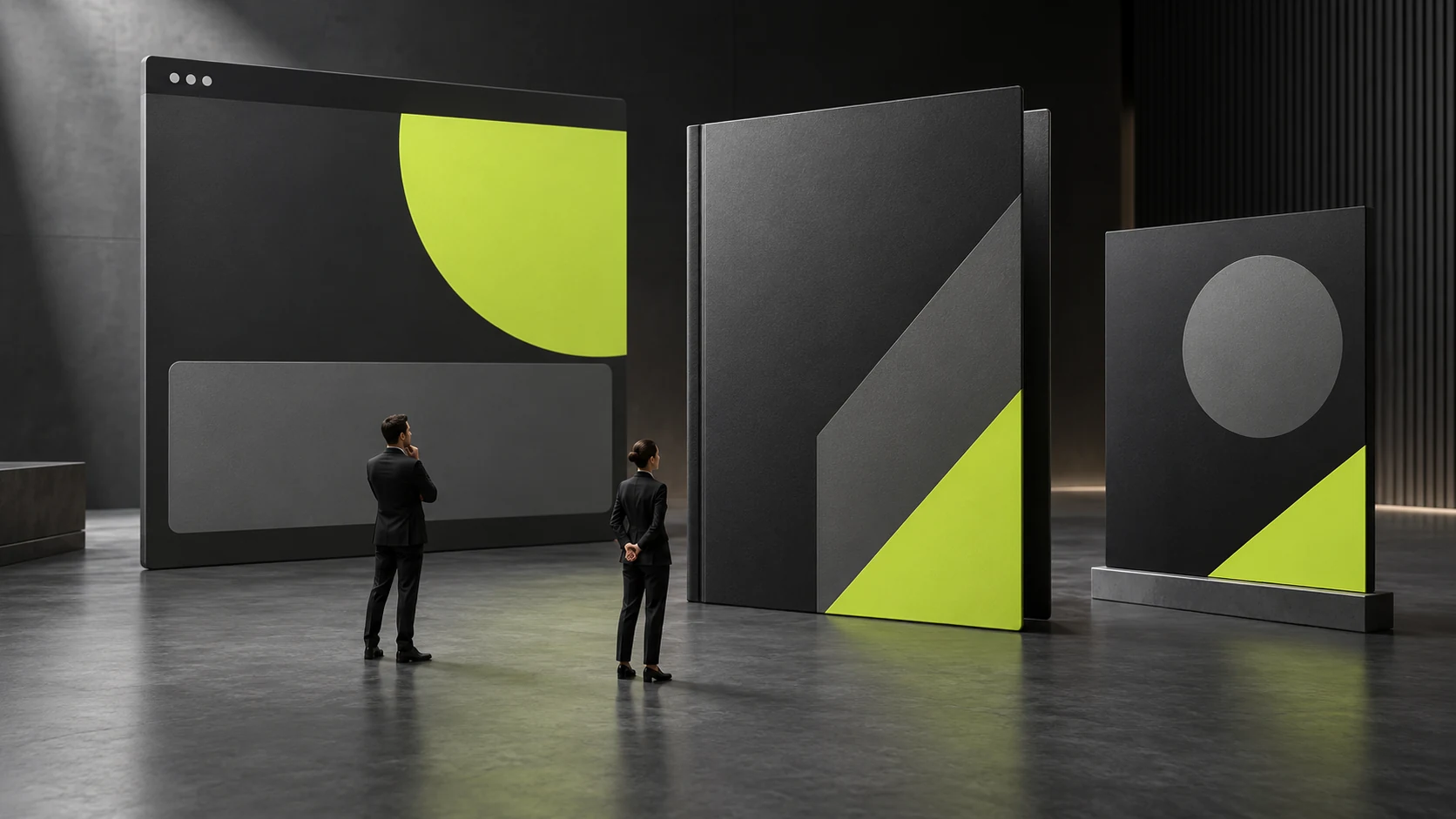
VI Colors Are Fully Documented but Used Inconsistently: How Do You Define Their Roles?
When complete VI palettes are used inconsistently, define roles, combinations and selection rules. Color values state what a color is, not when to use it. Connect brand colors, backgrounds, text and emphasis to real materials so producers do not guess.

Website Brand Promises Differ from Service after Contact: Which Touchpoints Should Identity Design Check?
When website promises differ from service after contact, identity design should inspect the whole path from statements through receipt, response and transfer. Visual standards cover only some recognition issues. Business owners must confirm actual behavior and help revise it.
Web Insights
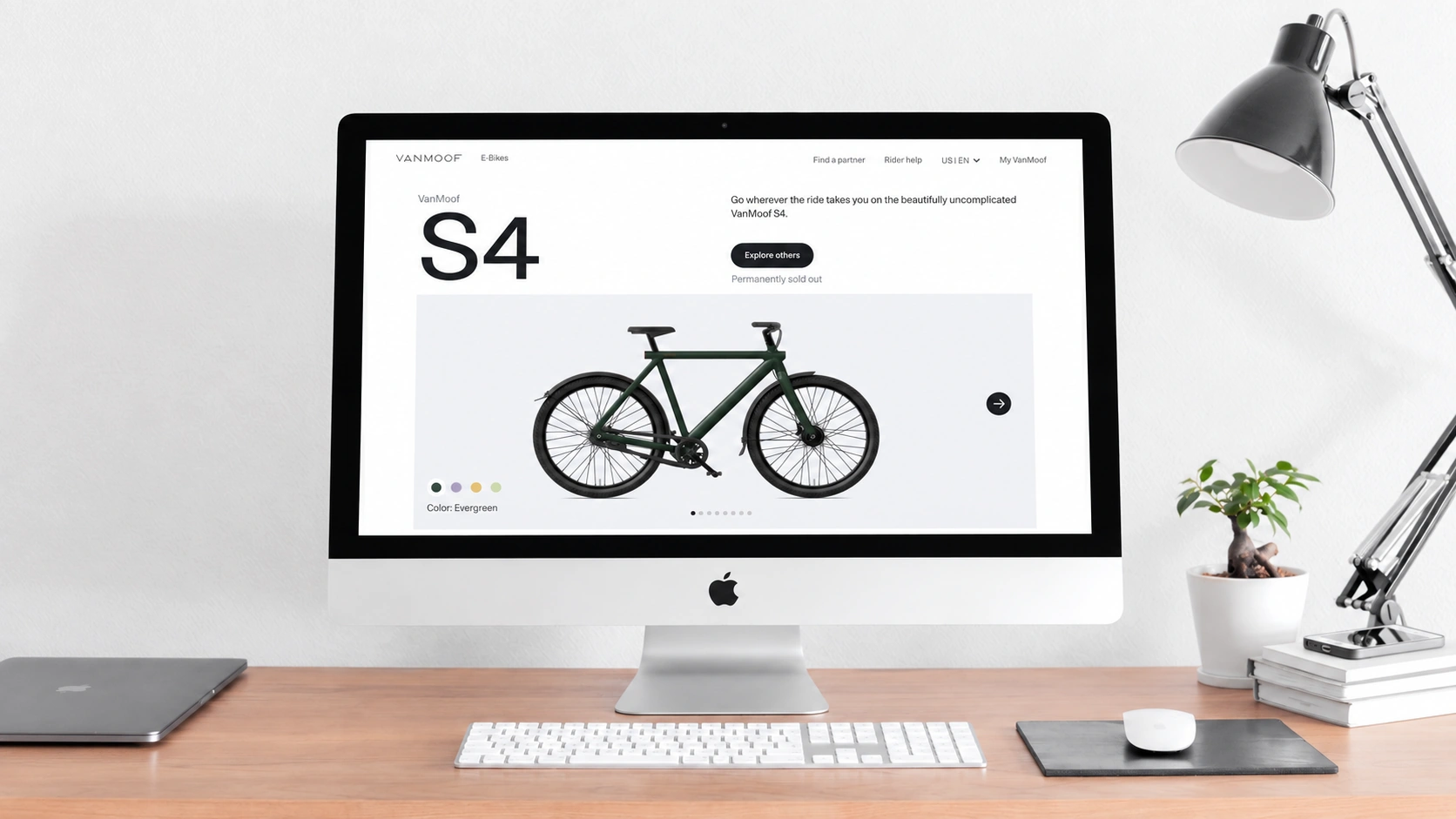
Electric Bike Website Design: How Should a Product Page Present Features, Specifications and Services?
For a product with many features, a full-bike image can establish an initial understanding, followed by details and scenes that explain its selling points, with specifications, services and comparison links supporting the final choice. Information hierarchy helps users find different answers at different points: what kind of bike this is, how it fits into everyday life, which features matter to them, and what to explore next. The VanMoof S4 page design offers an example for electric-assist bicycle brands, ecommerce teams and website redesign leads to examine.

Google AI Search Optimization: How to Decide Whether a Proposed Website Upgrade Is Necessary
To assess a Google AI search optimization proposal, first require each recommendation to correspond to a verifiable page issue, then specify the solution, implementation scope, and review evidence. This helps determine whether the project needs content changes, technical fixes, or an evaluation of rebuilding the website.

Google Still Shows the Old Site Name: What Should You Check After a Website Redesign?
If Google search results still show the old website name, first identify which element is wrong, then check the relevant pages and settings. Changing the name in the administration system only shows that the website has been edited. Whether Google has processed the change and which name it ultimately selects need separate observation.

WordPress or Shopify for an International B2B Website? Start With Inquiry and Ordering Tasks
To choose between WordPress and Shopify for an international B2B website, start with what buyers need to accomplish. If the business mainly provides technical information, selection advice, and manually prepared quotations, check content maintenance and inquiry handover. If it mainly handles standard products, company-specific pricing, and repeat orders, check catalogs, orders, and payments. Platform names cannot replace these judgments.

The Staging Site Uses noindex: How Do You Check It Has Not Carried Over to the Live Website?
Checking whether staging noindex settings remain on the live website requires more than inspecting an admin switch. First define which live pages are intended for publication, then check the HTML, HTTP headers and crawl rules they actually return. Trace exceptions to admin settings, templates, servers or caches.


