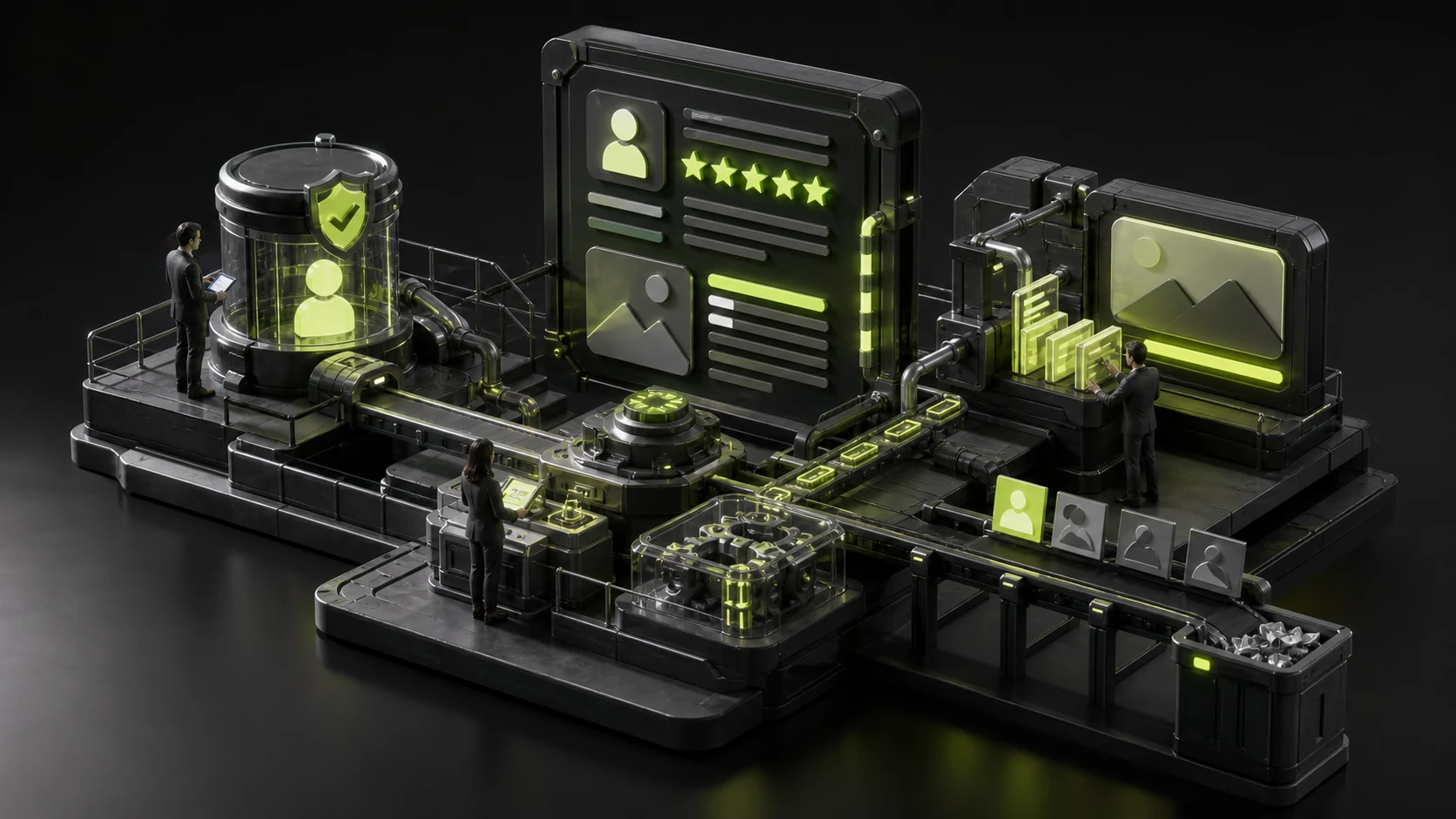
Customer testimonials easily become decoration: identical five-star ratings, similar phrasing, and portraits with unclear identities. Users understand the pattern and may doubt whether the content is real.
Strong testimonials help prospects understand the engagement, suitable project types, and concerns that were resolved. They are evidence, not a collection of compliments.
01 Collect Specific Experiences Instead of Asking for Praise
Ask about the problem before the project, why the client chose the team, important moments during collaboration, and what became easier after delivery.
Preserve the client's meaning and voice instead of polishing every quote into the same brand tone.
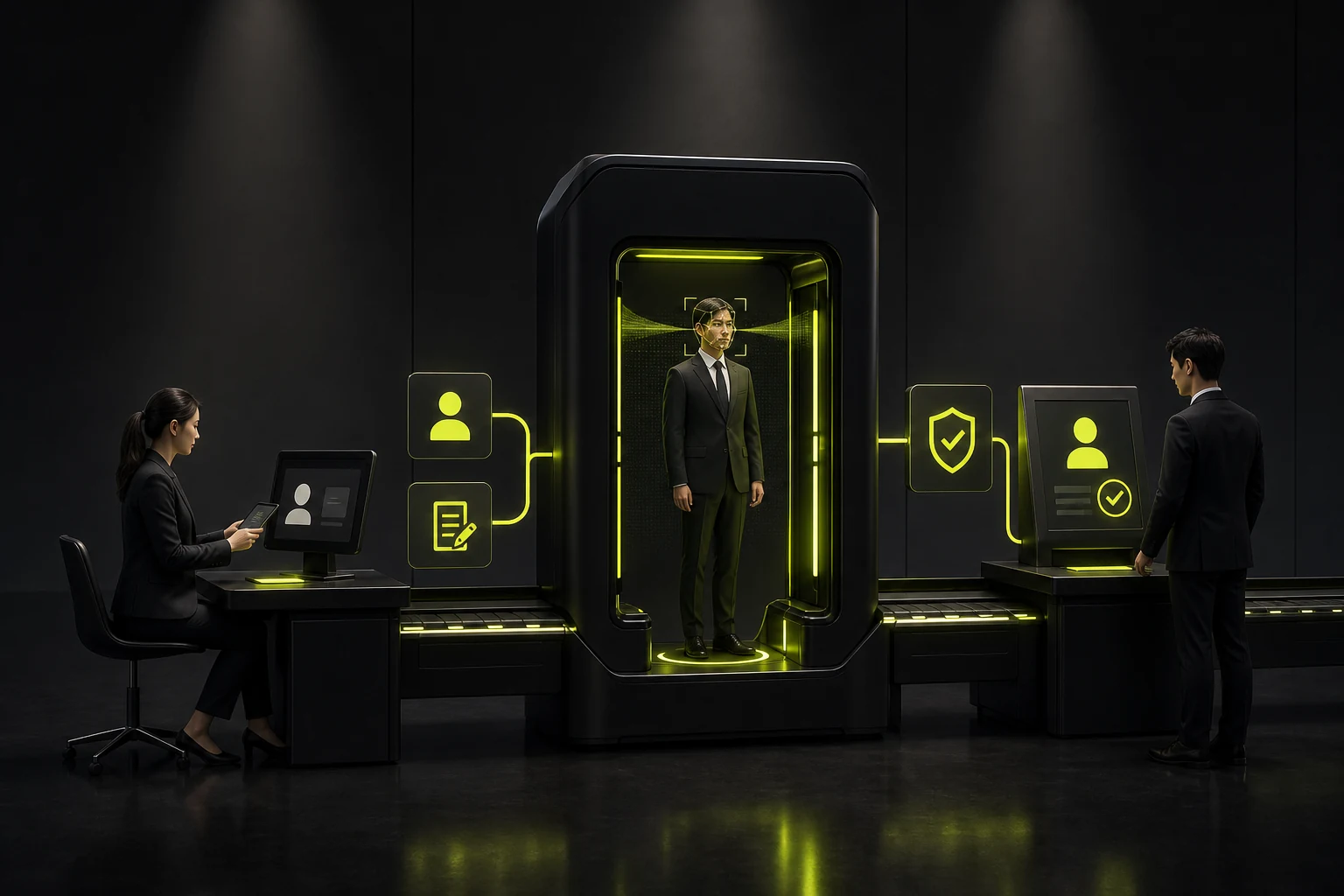
02 Use Authentic Identity Information with Permission
Show a name, title, company, industry, or project type according to the client's authorization and confidentiality requirements.
When disclosure is impossible, use an anonymous description such as “Marketing Director at a manufacturing company” and never invent a portrait or name.
Components of a High-Credibility Testimonial
| Component | Purpose | Example Direction |
|---|---|---|
| Context | Clarify where the feedback applies | Website redesign, B2B system, or rebrand |
| Problem | Create recognition | Disorganized information, complex workflows, or repeated delivery |
| Process | Prove the service method | Structure first, staged approval, and development review |
| Outcome | Explain the change | Easier maintenance, internal alignment, or faster comprehension |
| Identity | Provide verifiable context | Title, industry, and project link |
| Boundary | Avoid exaggeration | No invented sales data or absolute promises |
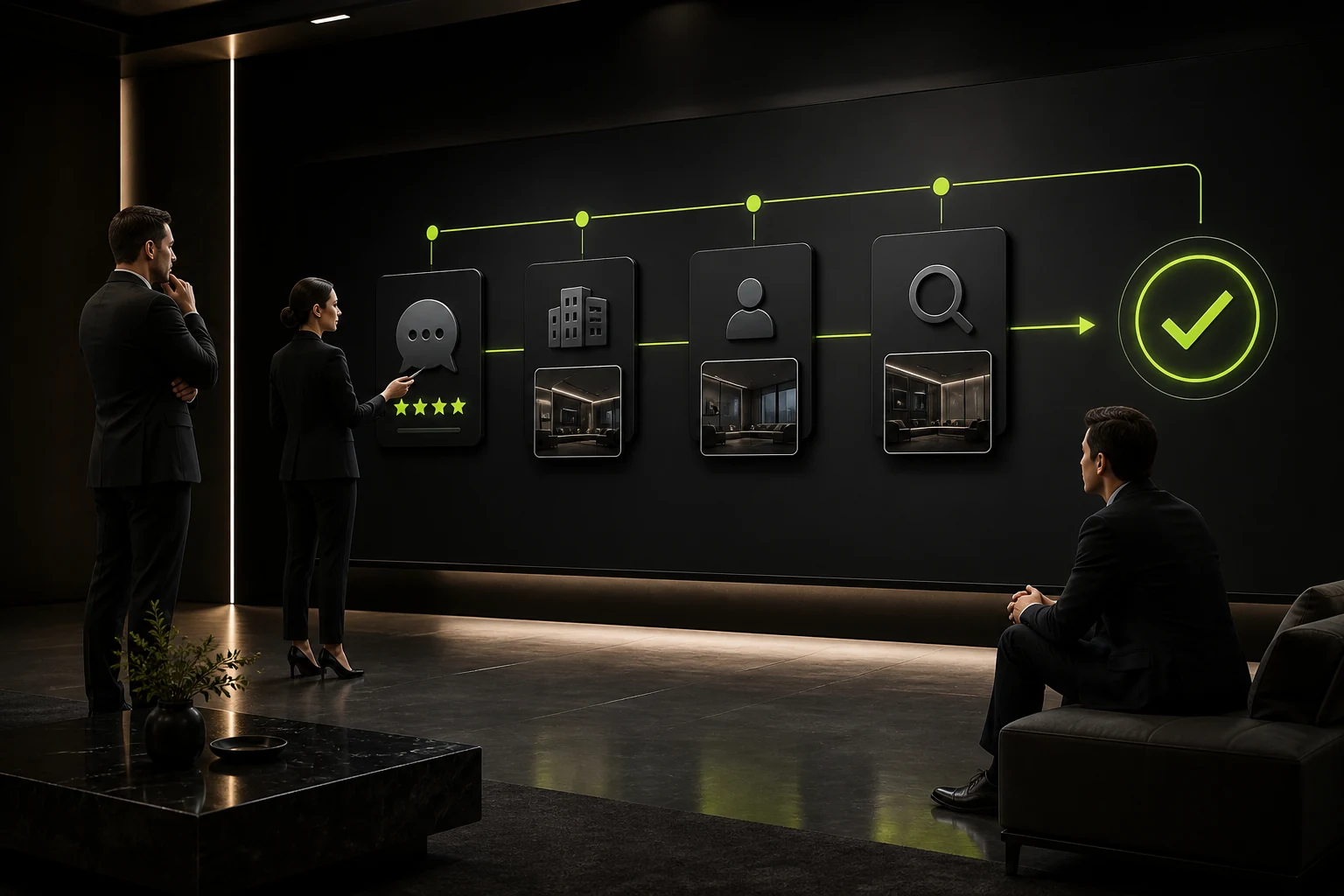
03 Connect Testimonials with Relevant Case Studies
Placing a testimonial on the matching case, service, or industry page is more persuasive than rotating it randomly across the site.
Readers can then review scope, methods, and results instead of trusting one sentence alone.
04 Do Not Let Visual Treatment Undermine Authenticity
Real portraits, company logos, and clear layouts can increase trust when permission exists. Stock portraits, overdesigned quotation marks, and autoplay carousels can feel like advertising.
For longer feedback, provide a key excerpt and full version rather than cutting it into a meaningless line.

05 Do Not Present Fabricated or Self-Authored Copy as a Customer Voice
Synthetic copy, employee-written reviews, and comments from people without a real engagement should not appear as genuine testimonials.
If a typical scenario explains the service, label it as an example and do not use client identities, star ratings, or review structured data.
06 Build an Ongoing Collection Process
Send a few short questions at stage approval or project completion, then confirm the public scope and edits. Keep authorization records and original versions.
Periodically check whether client titles, company names, and links have changed instead of leaving them untouched for years.
Frequently Asked Questions
Can we draft a testimonial for the client to approve?
Yes, when based on authentic feedback and confirmed by the client, including what may be public. Never invent an experience on their behalf.
Are anonymous testimonials useful?
They provide some value, especially when industry, role, and project context remain specific.
Does every testimonial need five stars?
No. Specific written feedback and project evidence are more appropriate for B2B services.
What if the client will not allow its logo?
Respect confidentiality. Use an anonymous description or disclose only what is authorized.
Can a company add Review structured data for its own service?
Follow current search-engine policies. False or self-serving reviews may be ineligible, and structured data should not be abused for rich results.
| Service | View |
|---|---|
| Related service | View service details |
| Project inquiry | Contact JVDS Design Studio |
| Design and web articles | View all insights |
 Link copied