Why don't complex products showcase all their functions at once? Progressive disclosure is not about "hiding things", but about controlling cognitive costs
The difficulty of complex products does not lie in their numerous functions, but in the fact that users only need a small part of them at each moment. The goal of progressive disclosure is to first present the information needed to complete the current task, and then expand advanced capabilities when needed by the user, rather than randomly hiding functions in "More".
01 Progressive disclosure is primarily a task priority, not a visual folding technique
Accordion, Drawer, and "More Settings" are all just implementation forms. The true judgment lies in which information is necessary for the majority of users to complete the current task and which only appears in specific scenarios.
If there is no task analysis and all the modules that seem too long on the page are simply folded, users will eventually keep opening and closing them, and the cognitive cost will not decrease.
02 The default layer should enable most people to complete tasks directly
For example, when creating members, names, email addresses, and roles might be the core. The IP whitelist, API scope, and session policy fall under advanced management. By default, core tasks are completed first, and then "advanced permissions" are provided.
Advanced options should not affect the correctness of basic tasks; otherwise, users may encounter unexpected results without knowing the hidden items.

03 "Advanced" is not a trash can. The naming should allow users to predict what's inside
Many products cram all the difficult-to-classify Settings into Advanced, and after a few years, dozens of items inside are completely irrelevant.
A better approach is to name them by purpose, such as "Notification Settings", "Security Options", "Display Settings". If there are only a few professional parameters, use "Advanced Settings" as the secondary entry.
04 The expanded state should be maintained to prevent users from having to search for it again every time they come back
If a user has actively expanded a certain set of Settings, it indicates that it is valuable for the current task. If Tabs are switched or all automatically folded after saving, the user will repeat the operation.
Remembering local states within a reasonable range can reduce interruptions. Whether cross-session memory is needed depends on whether the product will cause unexpected complexity.
05 Hidden content still needs to be discoverable
A small arrow that is almost invisible and a "More" with only an icon but no label will actually make the function disappear. Progressive disclosure is not a "low-discovery design".
The entrance should have clear copy, status prompts or quantities. For instance, "Advanced Filter (3)" can inform users that there are already conditions, which is more explicit than a funnel icon.
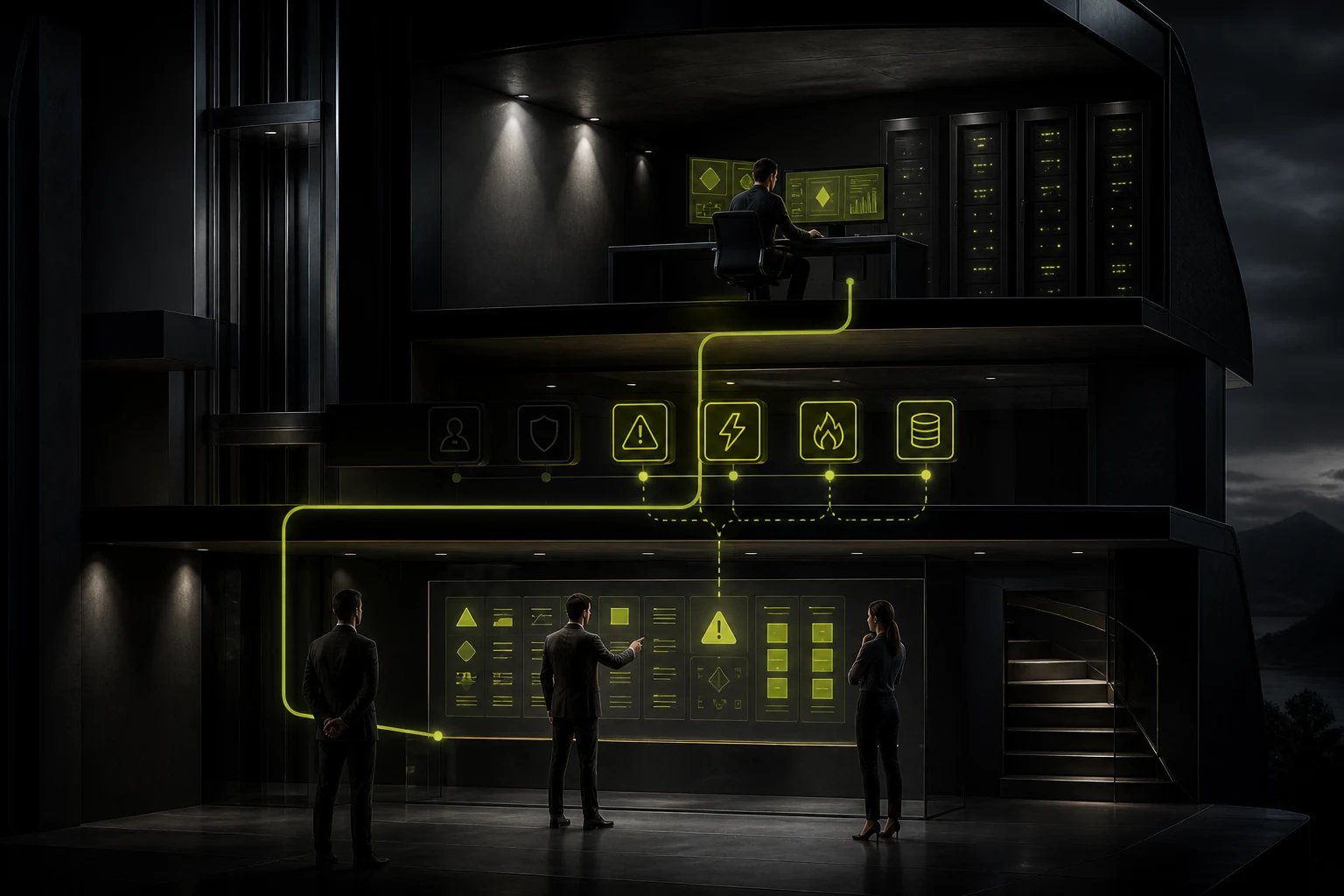
06 Errors and critical risks cannot be hidden just because they are "advanced"
If a hidden setting leads to data deletion, expanded permissions or increased costs, the system should proactively prompt at the relevant operation location.
Risk information belongs to the context necessary for users to make current decisions and should not be buried in secondary pages for the sake of a simple interface.
07 Progressive disclosure on mobile devices requires more control levels
Small screens have limited space, and folding is more common. However, if a Drawer is nested within the Accordion and a subpage is entered within the Drawer, users will forget where they come from.
It is best for mobile devices to reduce nesting levels and provide clear return and current status. Hidden space is not infinite space.
08 If all users frequently expand a certain item, it is no longer "advanced".
After the product is launched, you can observe the expansion rate, set the usage rate and customer service questions. If 80% of users open the same set of content every time, it indicates that the default hierarchy might be designed incorrectly.
Progressive disclosure is not a permanent information architecture but rather assumptions about user frequency and task priorities, which need to be continuously adjusted through actual use.

09 Progressive disclosure can also change dynamically based on permissions and proficiency
Ordinary members cannot see the administrator's security Settings. This is not only for simplicity but also a requirement of the permissions themselves. Professional mode users can choose to display more advanced fields at one time.
Dynamic disclosure must be predictable. If the system randomly hides functions just because "AI determines you don't use them frequently", it will damage the user's spatial memory.
10 The summary layer should be sufficient to represent the current state of the hidden content
When folding "Notification Settings", it can display "Email + Slack, 9:00 on Weekdays", allowing users to know the current configuration without expanding.
This is more effective than just showing a title, especially in the setup confirmation page or approval process. Summarization is also an important method to reduce repetitive elaboration.
11 Do not let folded content affect page search and mispositioning
After the user submits the form, if the error field is located in the folded area, the system should automatically expand and bring the focus to the problem.
site search or browser search should also be able to discover hidden Settings as much as possible; otherwise, "exists but not visible" will become a new usability issue.
Frequently Asked Questions
Is Accordion just about gradual disclosure?
Accordion is a form of expression. The core of progressive disclosure is to arrange the information hierarchy according to tasks and frequencies.
Should advanced Settings be folded by default?
It is usually possible, but the prerequisite is that it does not affect the majority of users from completing basic tasks and understanding the results.
Is the interface simpler the more you hide?
The visual effect might be more concise, but the cost of discovery and navigation will increase, and a balance needs to be struck.
Can risk information be placed in advanced Settings?
Risks directly related to the current operational consequences should not be concealed and should be clearly indicated at the decision point.
How to determine if a certain function should be upgraded to the default layer?
Combine usage frequency, task necessity, error cost and user feedback, rather than just looking at whether the interface is crowded.
| Related Service | Learn More |
|---|---|
| UI/UX Design Services | View Service Details |
| Project Consultation | Contact JVDS Design Studio |
| Design and Website Development Articles | Read More Related Articles |
 Link copied