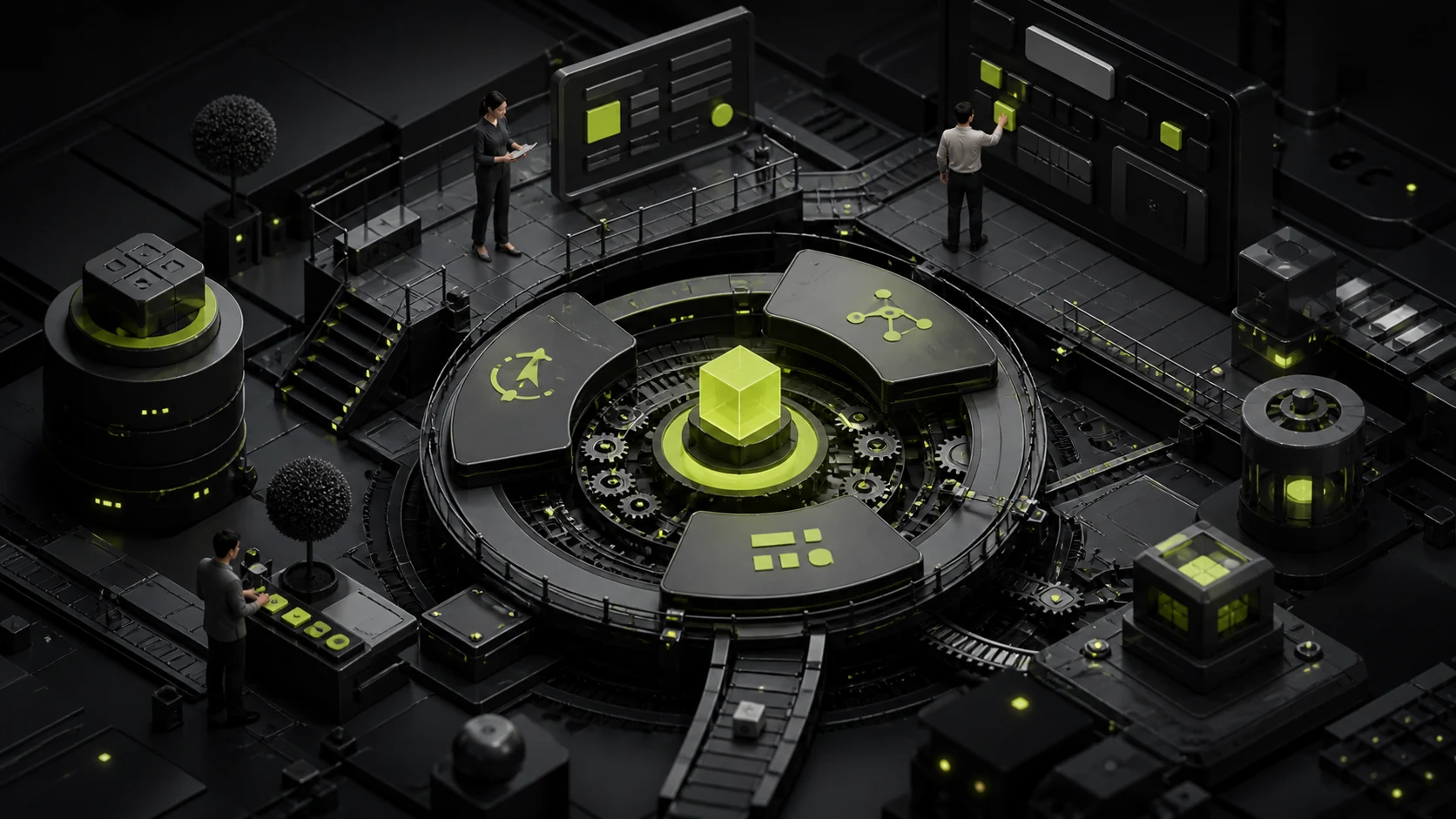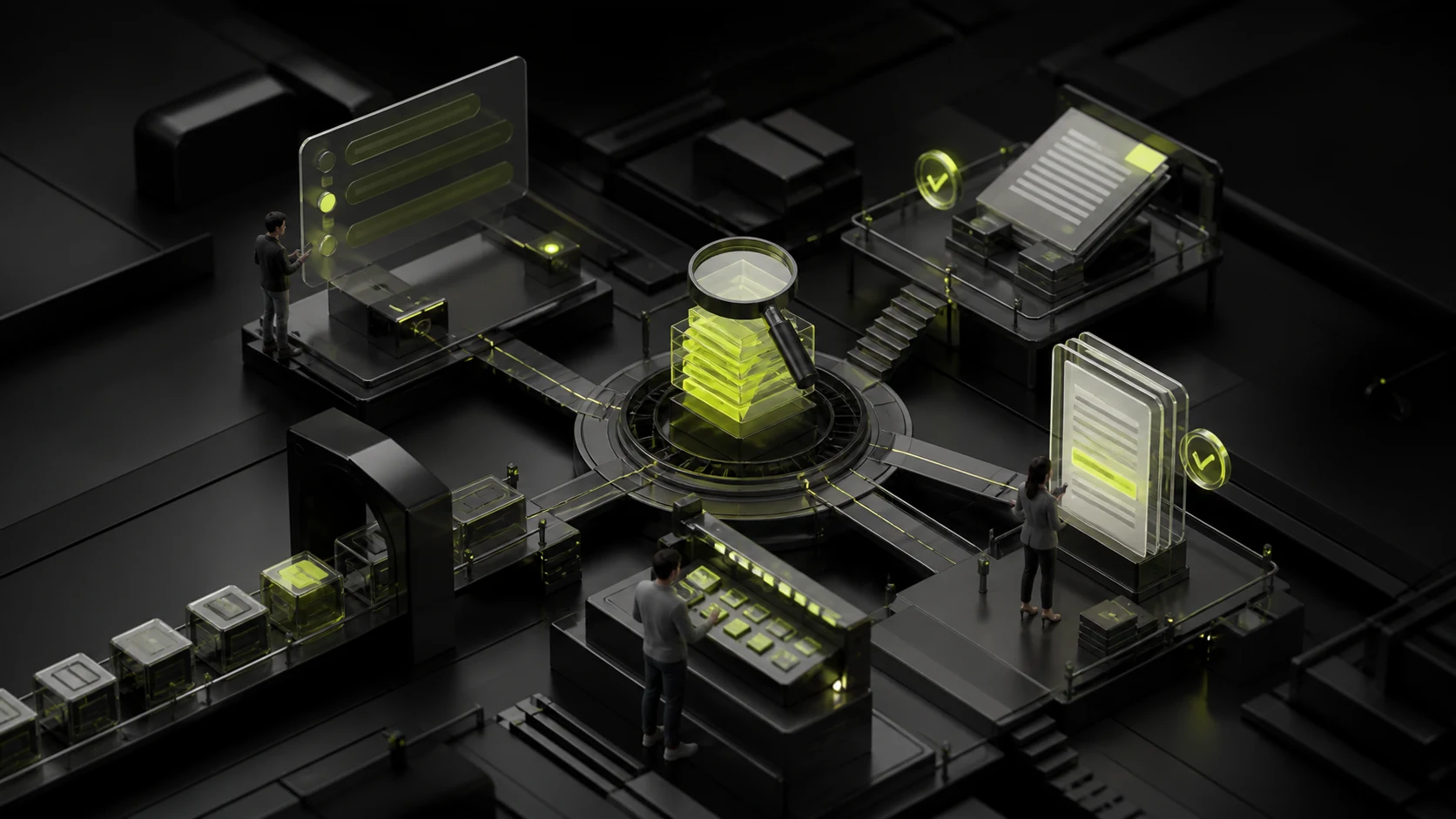
Why do AI answers need to display the source? Citation UX truly addresses the question "Can I verify this sentence?"
"According to company policy, you can get reimbursed." If there is no source, users can only trust the model. If the original policy text can be opened nearby, the corresponding provisions can be located and the update time can be seen, the AI will change from "drawing conclusions for me" to "helping me quickly find evidence".
01 The source is not a decorative footnote but a verification channel for important decisions
The Microsoft HAX guidelines require that users understand why the system does this when necessary; Google PAIR also takes Explainability + Trust as the core theme of its AI products. For RAG, enterprise knowledge bases, and search AI, citation is one of the most direct forms of explanation.
Especially in scenarios such as law, finance, healthcare, policy and corporate systems, whether the answers can be traced back to the original sources is often more important than whether the language is fluent.
02 The granularity of references should be as close as possible to specific claims
The answer finally lists 12 sources, but users do not know which one supports which sentence, and the verification cost remains very high. Numbers can be placed after sentences or paragraphs to allow users to establish a mapping between claims and evidence.
But don't make a Citation every three words to avoid reading noise. The granularity should revolve around independent facts and important judgments.
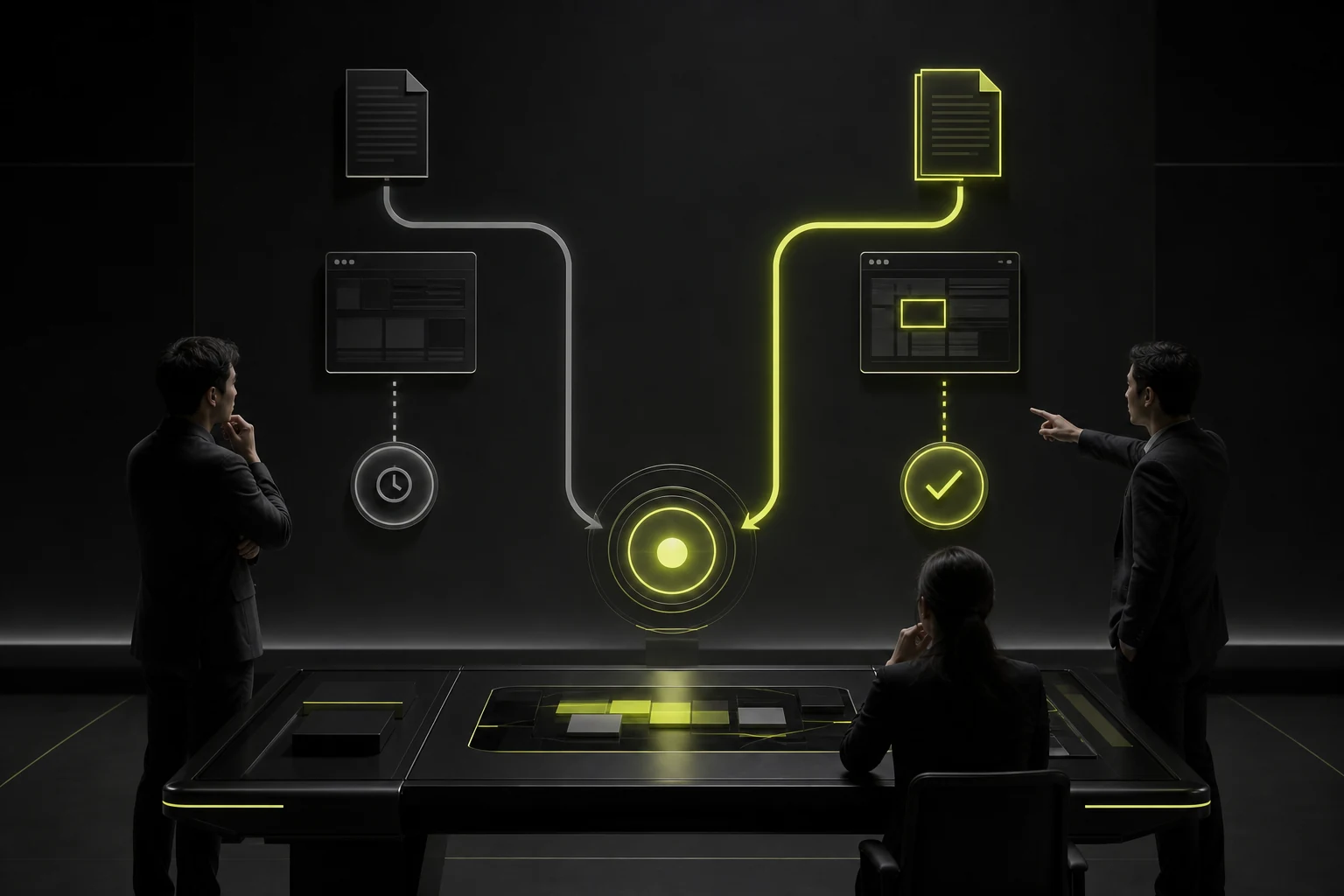
03 After clicking "Quote", it is best to locate the original text rather than just opening the first page of the document
If users still have to search again in an 80-page PDF, AI does not really save verification time. The ideal situation is to open the relevant pages, paragraphs or highlighted segments while retaining the context.
When it is technically impossible to precisely locate, at least the document name, section, date and searchable keywords should be provided.
04 The source card should show "who it is, when, and where it comes from."
One domain name icon is not enough. The enterprise knowledge base can display the document title, owner, update time and version. Public web pages can display the site, title and release date.
Time-sensitive issues particularly require users to be informed whether the information may expire, such as the "2024 Policy" and the "2026 Update".
05 When multiple sources conflict, do not quietly choose the smoothest answer
AI may retrieve documents related to old and new systems, policies in different regions, or conflicts between two teams. The system should alert users of inconsistencies and assist them in comparison instead of averaging them into a definite conclusion.
When necessary, you can mark "The following sources conflict. It is recommended to refer to the latest approved version" and allow users to select the context.
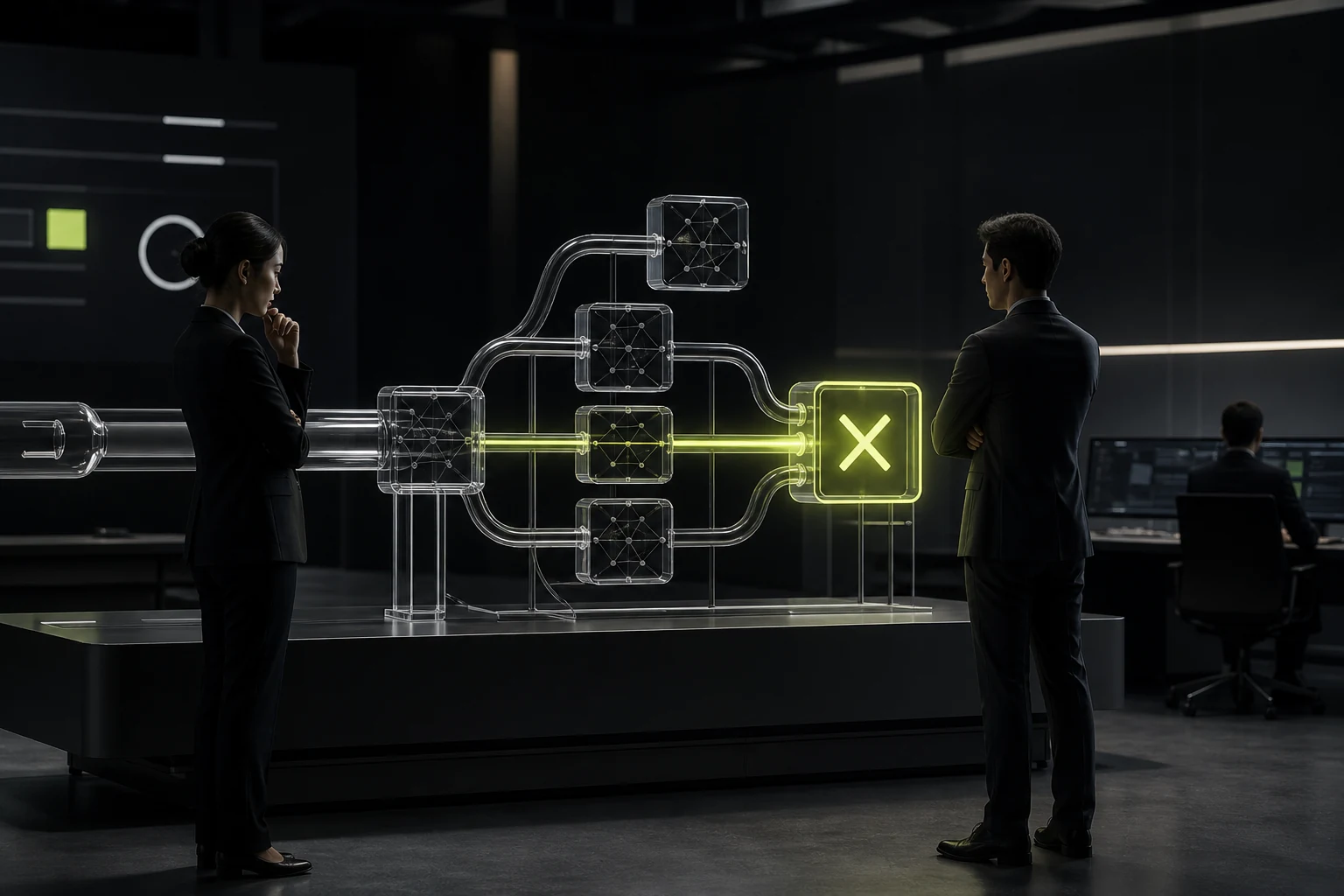
06 When there is no reliable source, allow the system to explicitly state "unverifiable".
The most dangerous situation of citing UX is when the model generates a non-existent Citation or hardconfigures a source for an inference. Products should be distinguished as "clearly supported by source", "inferred based on source", and "no evidence found at present".
Uncertain labels do not weaken AI but rather establish the boundaries for correct usage.
07 The reference itself also requires permission control
Enterprise AI may generate summaries that users have the right to see, but quote the titles of internal documents that they have no access to, thereby leaking information.
Retrieval, generation and reference display must all respect the same set of access controls. After users click on the source, they should not have the strange experience of "the AI could see it just now but you couldn't", unless the product clearly explains the difference in permissions.
08 The Citation UX should be measured by the validation behavior rather than the higher the click-through rate
A high click rate may indicate that the user has verified carefully, or it may suggest that the answer itself is not reliable. It can be judged by combining the task type, the time spent after opening the source, error correction feedback and user research.
A good citation system enables those who need to verify to do so quickly, and those who do not need to verify will not be interrupted by a large number of footnotes when reading.
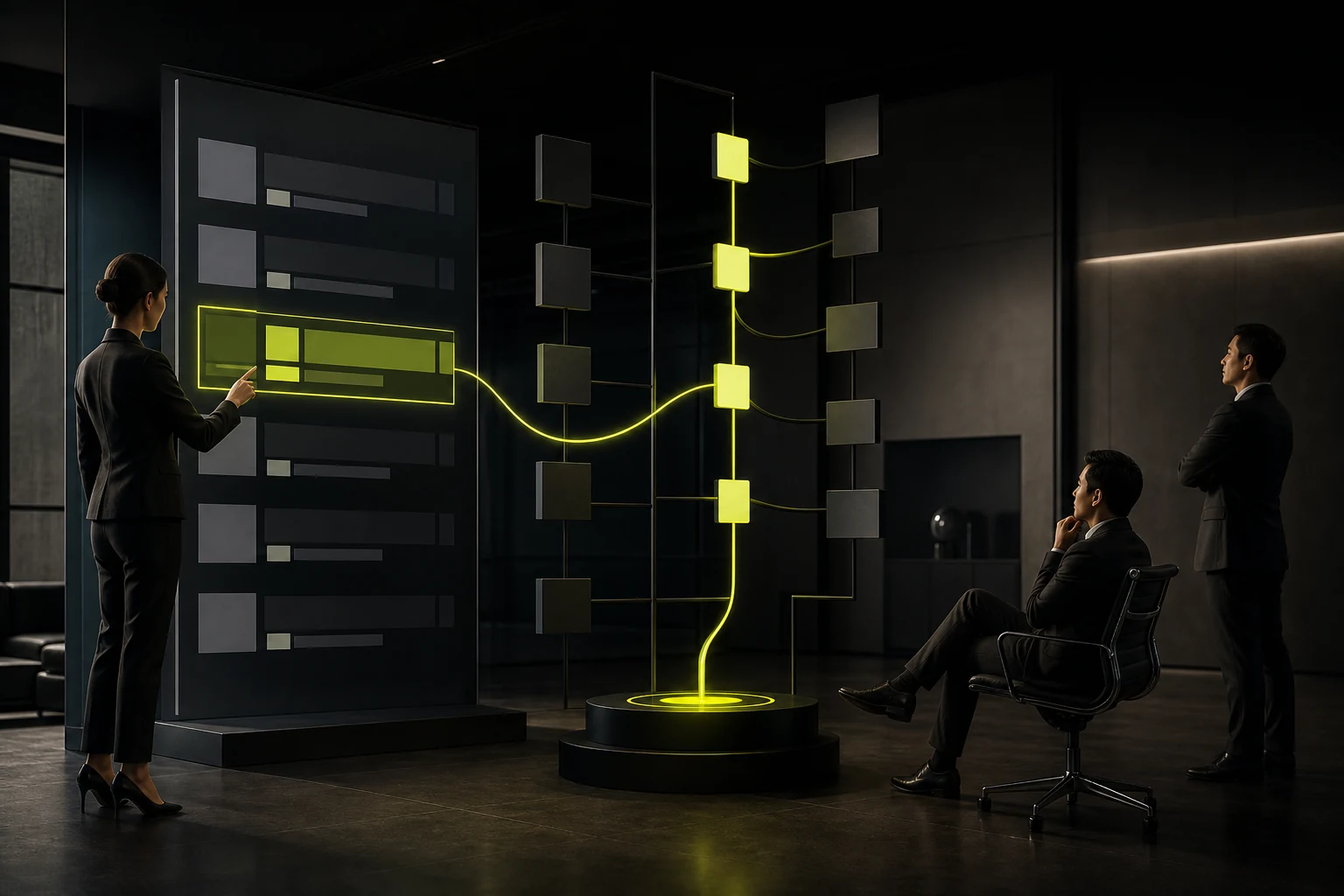
09 Source sorting can also affect user judgment
When the answers are simultaneously cited from official documents, forums and blogs, the products can be sorted by authority, time and relevance instead of being randomly displayed in the order of search returns.
High-risk topics can give priority to first-hand materials and clearly identify the type of source. Users should not equate a Reddit comment with a company's official policy as equivalent evidence.
10 The numbers and tables in the summary require stricter source binding
When AI summarizes data from multiple documents into a table, it is difficult for a single paragraph citation to explain where each number comes from. The Source can be retained at the cell, row, or field level.
This will increase the implementation cost, but it is very important for financial, research and enterprise analysis scenarios because once the figures are copied into the report, they still need to be traced back.
11 If the source is invalid or there is a change in permissions, there should be a degraded status
After the document is deleted, the web page is updated, or the permission is revoked, the Citation in the old answer may not be accessible. Products should distinguish between "source unavailable" and "No source", and consider regenerating or marking historical results.
Don't let users click on a reference that is always 404 and still have the answer displayed as completely trustworthy.
Frequently Asked Questions
Must all AI responses have a source?
No. Creative writing, rewriting and other tasks have no external source of facts. Fact-based questions and high-risk decisions require verifiable sources even more.
Should the citation be placed at the end of the paragraph or at the end of the answer?
Important facts are more suitable for nearby citation. A complete list of sources can be provided at the end of the answer.
Can I open the homepage with the source link?
It's possible, but the verification cost is high. It's best to target specific pages, chapters or original text segments.
What should be done when AI can't find its source?
Clearly state that it cannot be verified at present, and prompt for supplementary information or narrowing down the issue. Do not fabricate references.
Does the internal source of an enterprise need to display the document title?
It should be combined with the permissions. Do not disclose document or resource information that users have no right to know through Citation.
| Related Service | Learn More |
|---|---|
| UI/UX Design Services | View Service Details |
| Project Consultation | Contact JVDS Design Studio |
| Design and Website Development Articles | Read More Related Articles |
 Link copied