
Remote projects rarely fail because people cannot meet face to face. They fail because information is scattered across chat, email, conversations, and different file versions. Everyone stays busy, but no one knows which version is final or who is waiting on whom.
Mature remote collaboration reduces synchronous meetings, preserves objectives, decisions, assets, and issues in one space, and establishes clear deliverables for every stage.
01 Establish One Source of Truth
Keep requirements, page matrices, plans, meeting notes, files, and issue lists in one tool. Use group chat for reminders and quick discussion, not as the final decision archive.
File naming and version rules should remain simple enough to follow.

02 Set a Fixed Communication Rhythm
Schedule kickoff, stage reviews, and risk meetings. Share routine progress through asynchronous weekly updates or a board. More issues do not require more meetings; each issue should be resolved in the appropriate cadence.
For cross-time-zone projects, define response times and emergency channels.
03 Assign One Owner on Both Client and Vendor Sides
The client owner consolidates feedback and coordinates internal resources. The vendor owner manages plans and delivery. Specialists can discuss directly, but important decisions return to the owners for confirmation.
Without one communication outlet, remote work fragments easily.

04 Make Every Milestone Testable
“Continue designing this week” has no management value. Milestones should correspond to tangible outcomes such as approved requirements, prototypes, direction, pages, development builds, testing, and launch.
Record what passed, what needs revision, and what remains blocked in every review.
05 Reduce Misunderstanding with Visual and Working Deliverables
Prototypes, recordings, annotations, staging environments, and test accounts align teams more effectively than long text. Demonstrate complex flows before gathering feedback.
Do not wait until everything is complete to deliver all at once.
06 Maintain Risk and Change Logs
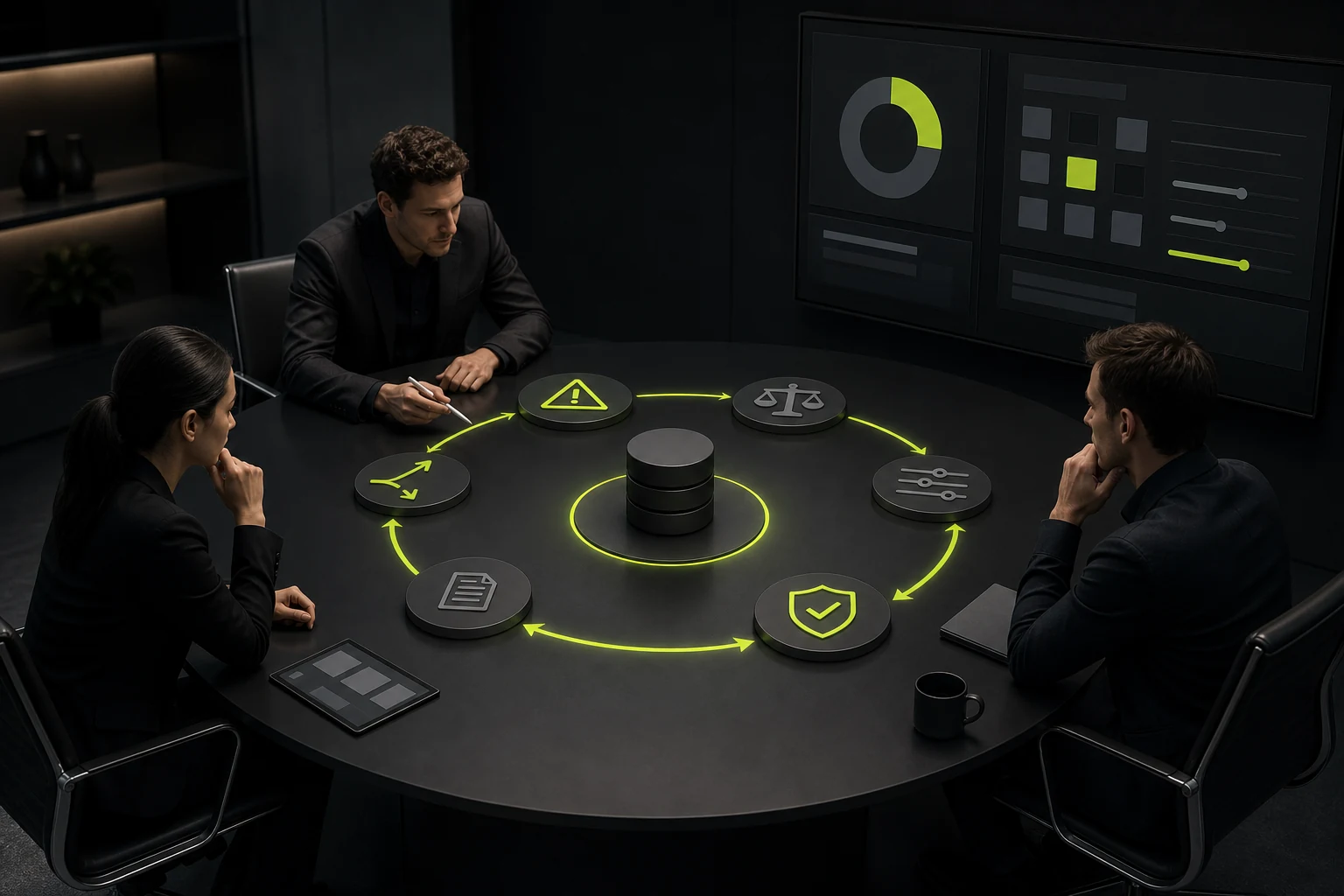
Record the impact, owner, and decision for delayed materials, unstable APIs, absent decision-makers, and added requirements. Remote projects suffer when persistent issues stay buried in chat history.
After approving a change, update scope, fees, and timing together.
Minimum Remote Collaboration System
| Mechanism | Frequency or Format | Output |
|---|---|---|
| Kickoff | Project start | Objectives, scope, roles, and tools |
| Weekly update | Same time each week | Progress, next week, risks, and needs |
| Stage review | Milestone completion | Approval, revisions, and confirmation record |
| Issue board | Continuous | Owner, priority, and status |
| Change order | Whenever scope changes | Impact, fees, schedule, and approval |
| Delivery retrospective | Stage or project completion | Assets, issues, and next plan |
Frequently Asked Questions
Do remote projects need daily meetings?
Usually not. A fixed cadence, transparent board, and timely risk communication are more effective than daily meetings.
Can WeChat serve as the primary project tool?
It can support communication, but requirements, versions, decisions, and files should live in a searchable and traceable space.
How should feedback be managed across time zones?
Agree on overlapping hours, response deadlines, and emergency channels, and use recordings and documents to reduce waiting.
What if the client's internal feedback conflicts?
The client owner should make the decision and submit final comments. The vendor should not execute conflicting instructions separately.
How can a client evaluate a remote team's reliability?
Review process transparency, documentation, milestones, risk handling, and the actual team—not online hours.
| Service | View |
|---|---|
| Related service | Contact JVDS Design Studio |
| Design work | View selected work |
| Project inquiry | Contact JVDS Design Studio |
 Link copied