
Many AI websites are filled with parameters, model names, gradient lighting, and animated particles, yet business decision-makers still cannot tell where the product fits into a real workflow. Technical teams think the explanation is too shallow, while business teams find it difficult to understand.
The website needs two narrative layers: the first helps nontechnical roles understand value and risk; the second gives technical and security roles enough information about architecture, data, integrations, and evaluation.
01 Start with Tasks and Workflows, Not Model Names
Explain the problem users face in a workflow, how the product participates, and what inputs, outputs, and human controls are involved. Models and technical architecture can support that story.
“Powered by advanced large models” does not explain differentiation and quickly becomes outdated as technology changes.
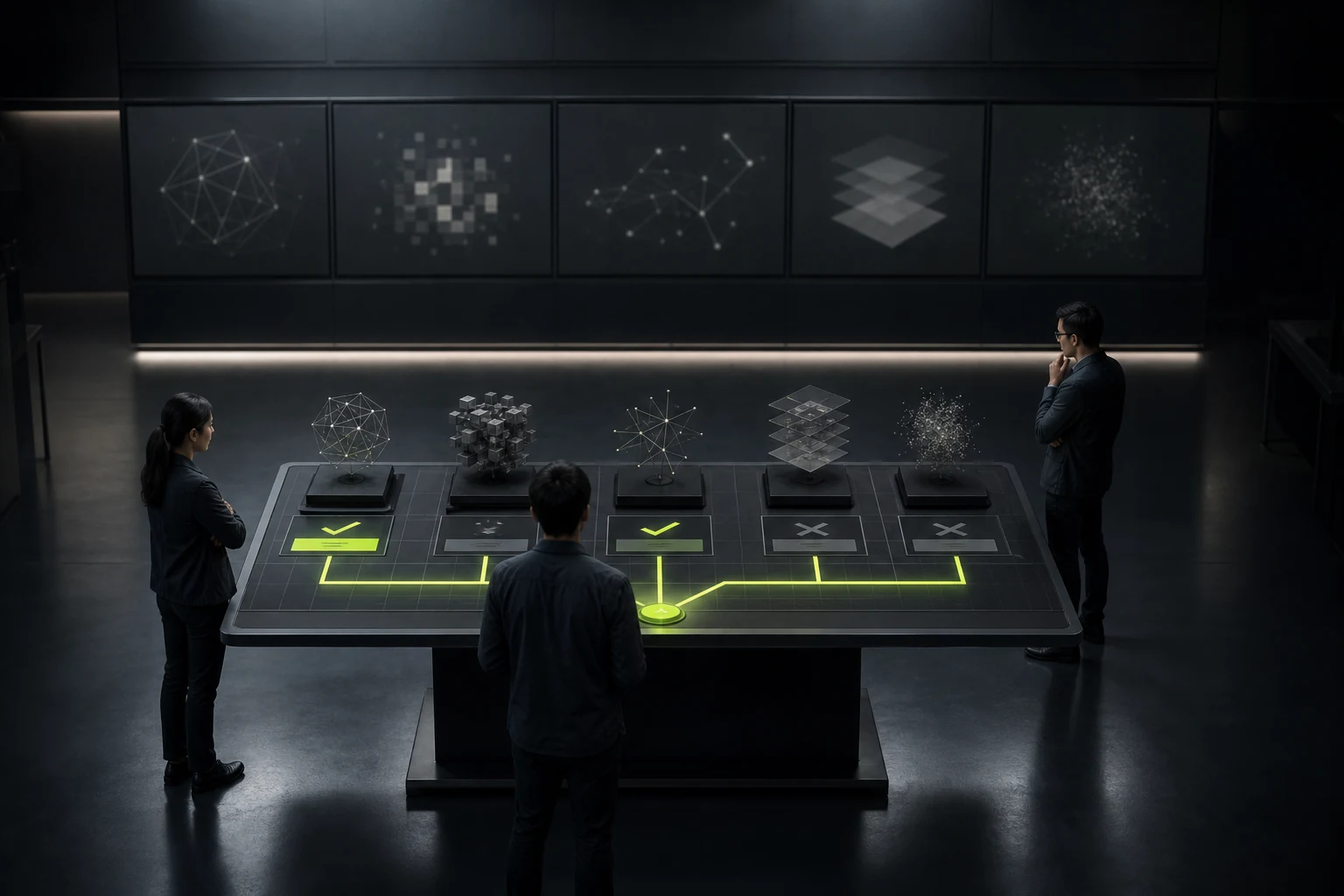
02 Explain Capability Limits and Unsuitable Scenarios
AI outputs are probabilistic. The product should explain accuracy evaluation, human review, failure handling, and usage limitations. Overpromising that it will “completely replace people” increases customer risk.
For high-risk use cases, emphasize human-AI collaboration and clear accountability boundaries.
03 Demonstrate Value with Demos and Realistic Examples
Interactive demos, sample inputs and outputs, before-and-after workflows, and repeatable evaluations are more persuasive than abstract performance numbers. Examples should state their data sources and conditions.
Do not show only carefully selected best-case results without explaining failure modes.
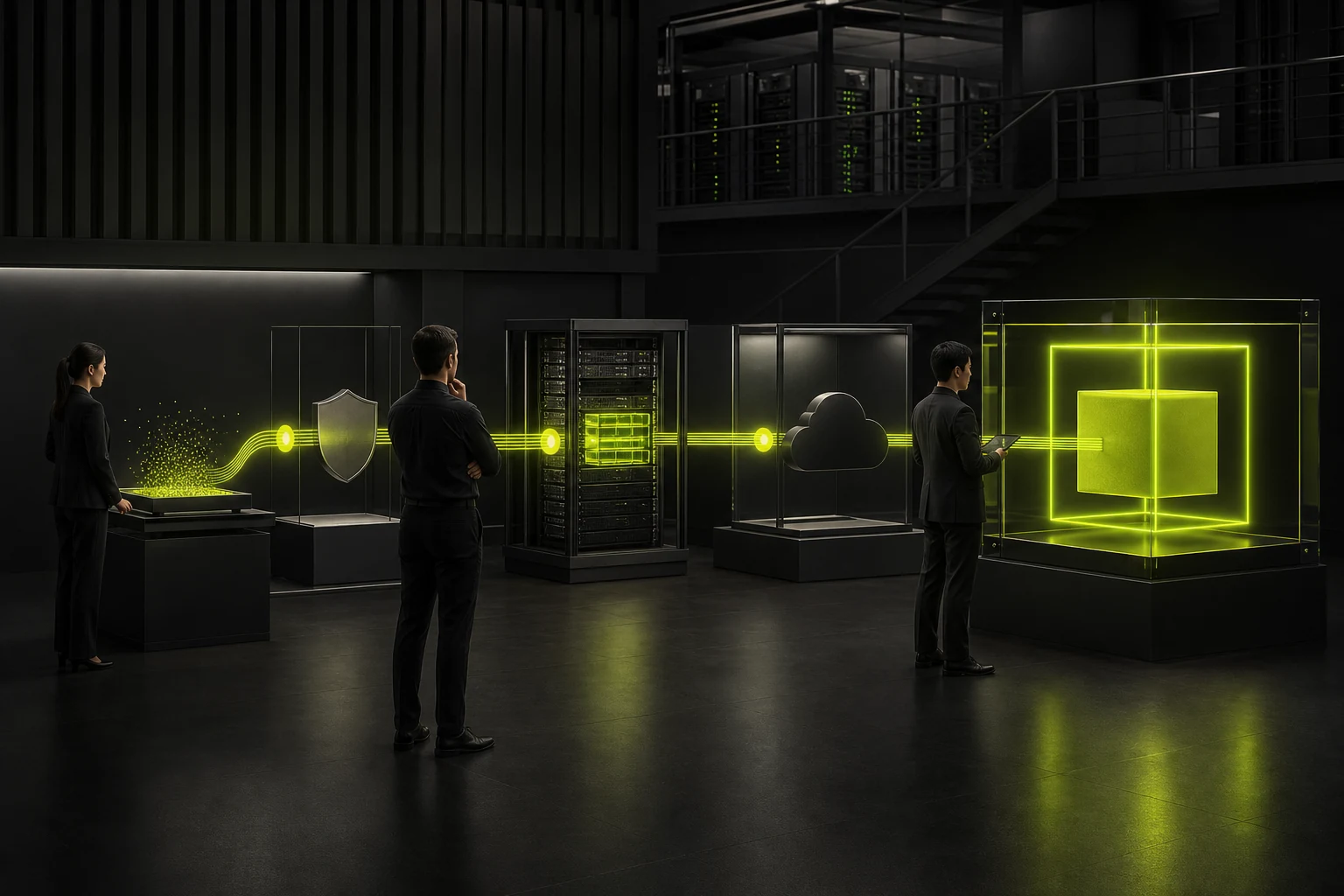
04 Treat Data, Security, and Deployment as Core Purchasing Information
Customers want to know whether their data is used for training, where it is stored, how it is deleted, how permissions are controlled, and whether private or specific cloud deployment is supported. Give this information a dedicated entry point.
Security claims must match the actual architecture and contract.
05 Provide Integration Information for Technical Teams
Make APIs, SDKs, supported formats, rate limits, error handling, authentication, and version policies easy to find. If full documentation is not public, explain the integration process and technical support model.
Technical information should not be hidden entirely behind a sales conversation.
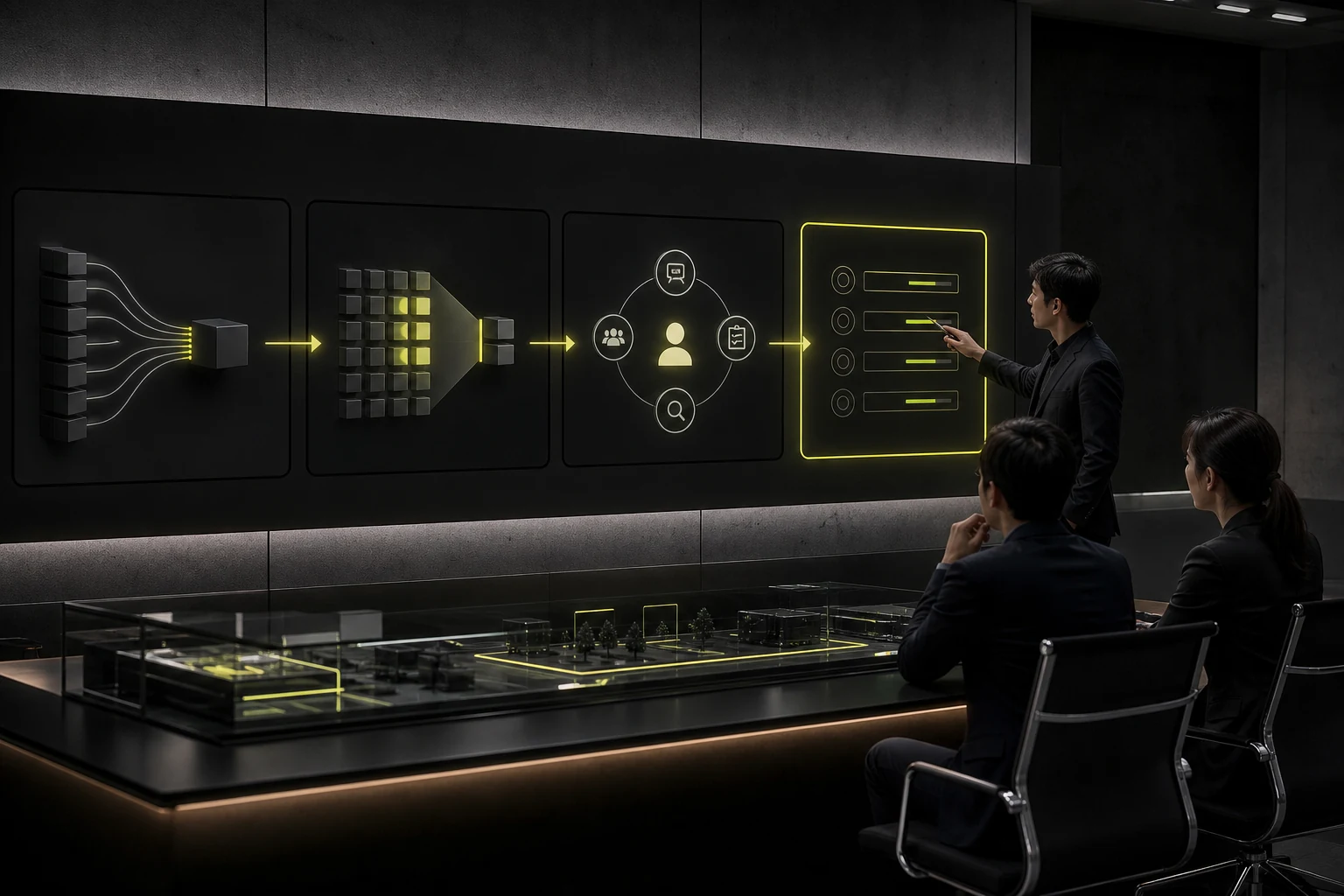
06 Document Baselines, Context, and Human Involvement in Case Studies
A claim such as “80% more efficient” has limited credibility without the task, sample, period, and calculation method. Case studies should explain the previous process, usage scope, human review, and conditions for applying the result elsewhere.
When public data is unavailable, show the process, decisions, and limitations instead of inventing results.
A Two-Layer Information Structure for AI Websites
Audience | Priority Questions | Relevant Content |
|---|---|---|
Business leaders | Problem solved, value, implementation cost | Use cases, workflows, case studies, ROI logic |
Product and operations | How to use and control it | Demo, workflow, permissions, feedback |
Technical teams | Integration, performance, versions | APIs, architecture, SDKs, error handling |
Security and legal | Data, privacy, accountability | Security, deployment, contracts, compliance |
Procurement | Delivery, service, long-term risk | Plans, SLAs, support, exit mechanisms |
Frequently Asked Questions
Does an AI website need to disclose model parameters?
Disclose the key capabilities and limits needed for customer decisions. Not every technical detail belongs on a marketing page.
Can demos use AI-generated data?
Yes, for illustration, but label it as sample data. Do not present it as real customer information or a guaranteed outcome.
How should accuracy be presented?
Explain the task definition, dataset, sample, baseline, evaluation method, and applicable conditions. One percentage is not enough.
Should private deployment appear on the homepage?
If it is an important purchasing requirement for the target customer, make it visible on a core page and link to a detailed solution.
What makes an AI product case study more credible?
Explain the previous process, point of use, human involvement, implementation conditions, limitations, and verifiable results.
Service | View |
|---|---|
Related services | |
Design work | |
Project inquiry |
 Link copied