
Many DTC homepages create a strong mood, yet users must scroll for a long time to learn what is sold, why it is worth buying, and when it will arrive. Other sites offer only promotions and product cards, producing short-term sales without building brand memory.
An effective DTC website moves between emotional appeal and rational evidence: it first earns attention, then helps users compare, resolve concerns, and purchase with confidence.
01 Explain the Product and Difference on the First Screen
The first screen should clarify the product category, primary audience, main value, and next action. A brand manifesto can remain, but users should not have to guess what is being sold.
If the product requires education, explain its most important mechanism in one sentence rather than placing the entire story above the fold.
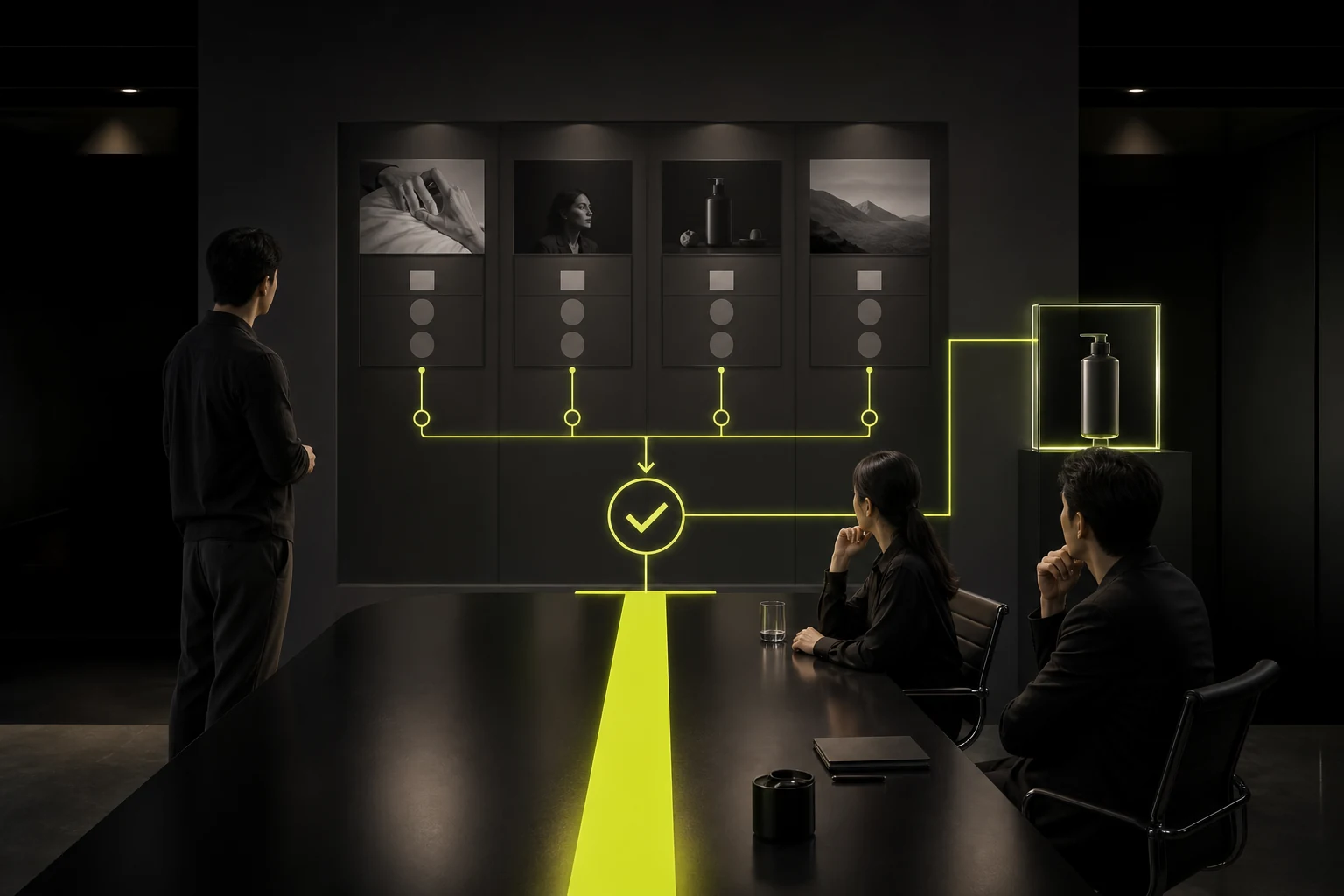
02 Make the Brand Story Support Purchase Decisions
Founder stories, origin, craftsmanship, and values matter only when they connect to product differences. Users want to know how that background affects quality, experience, price, or choice.
Distribute the story across the homepage, product pages, and About page instead of telling everything at once.
03 Build a Complete Evidence Chain on Product Pages
A product page should answer who it suits, what it solves, differences among specifications, how to use it, materials or ingredients, performance limits, shipping and returns, and common questions.
Images need mood as well as dimensions, details, use cases, and true scale.
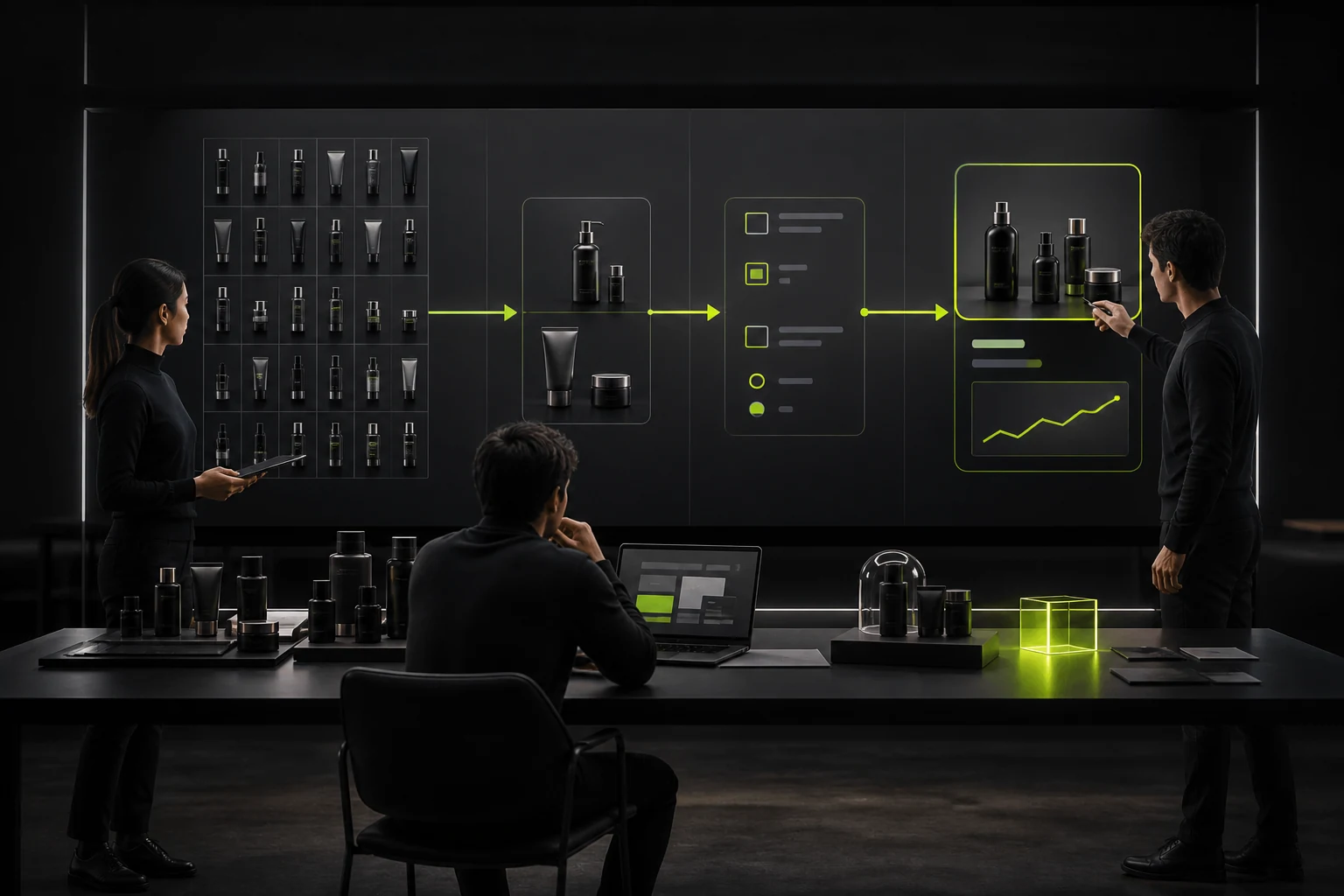
04 Prevent Choice Fatigue in Variants and Bundles
When many colors, sizes, capacities, bundles, and subscriptions exist, provide recommendations, comparisons, and defaults. Clearly communicate stockouts, preorders, and inventory status.
Bundle discounts should show what users save instead of pressuring them with complex rules.
05 Do Not Build Pre-Checkout Trust with Badges Alone
Price, tax, shipping cost, arrival time, payment methods, and return conditions should appear before critical decisions. Reviews need specific usage context, not only star ratings.
Cross-border sales must also clarify currency, duties, and regional restrictions.
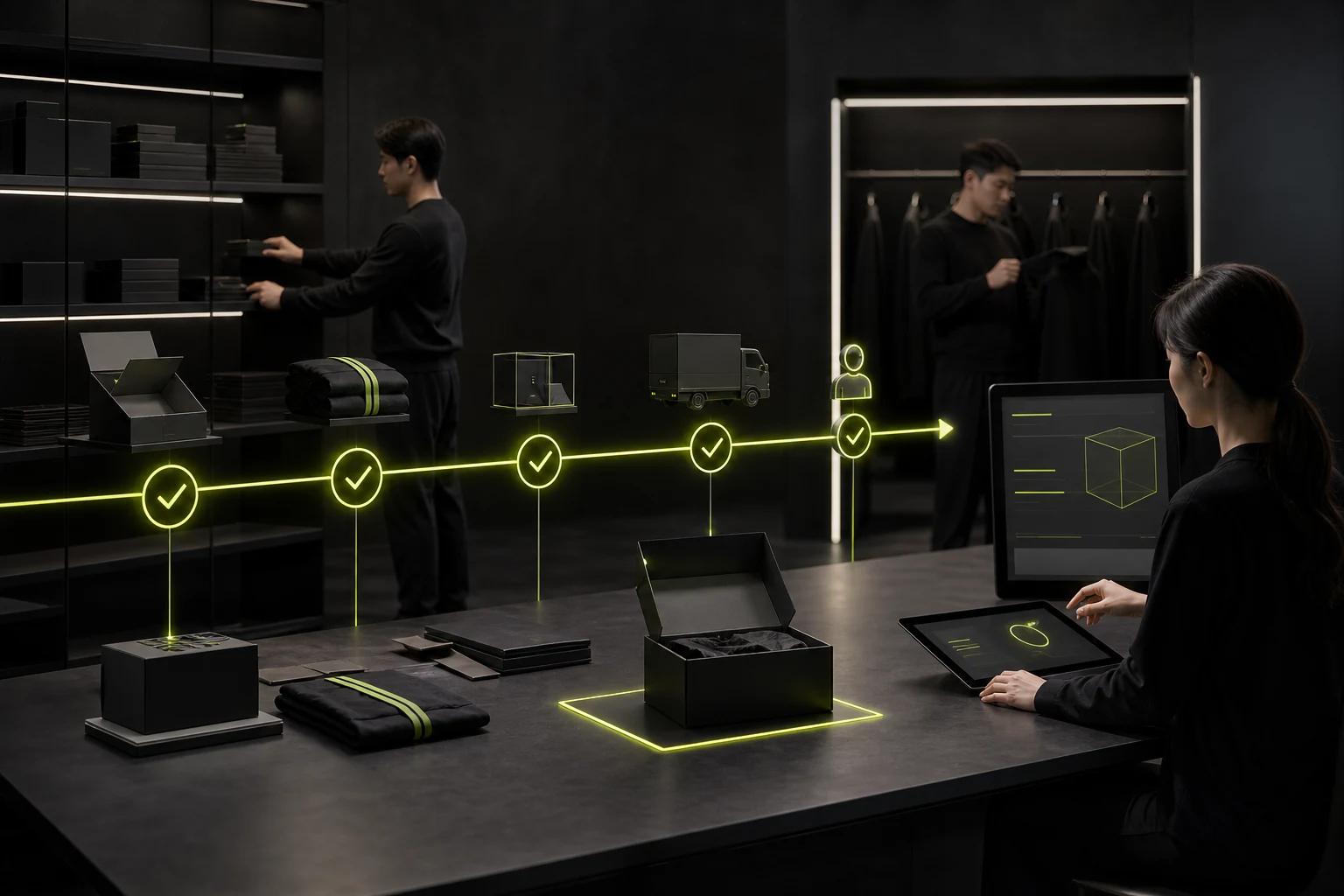
06 Continue the Brand Experience After Purchase
Order notifications, shipment tracking, unboxing guidance, usage reminders, service, and repeat-purchase recommendations determine long-term value together.
Email and membership programs should follow real usage cycles instead of sending frequent, indiscriminate promotions.
Evidence Roles Across DTC Pages
| Page | Primary Task | Most Important Evidence |
|---|---|---|
| Homepage | Understand the brand and core products quickly | Clear positioning, promise, and representative products |
| Collection page | Filter and compare | Category logic, use cases, and difference cues |
| Product page | Complete the purchase decision | Specifications, details, reviews, shipping, and returns |
| About page | Explain why the brand exists | Origin, process, values, and people |
| Checkout page | Reduce final-step risk | Total price, timing, payment, and protection |
Frequently Asked Questions
Should a DTC homepage show products immediately?
Usually yes. At minimum, give users fast access to representative products or core categories so the story does not disconnect from the purchase path.
Are more product reviews always better?
Volume helps, but specific scenarios, user types, images, and the handling of negative feedback provide more decision value.
Should a DTC site use extensive video?
It can, but control first-screen loading, provide static alternatives, and ensure video explains the product rather than creating mood alone.
Should the site show frequent coupon popups?
Do not interrupt every user. Use restrained incentives based on source, time on site, and purchase stage.
How long should the brand story be?
There is no standard length. It should explain product differences and establish trust, with secondary content revealed progressively.
| Service | View |
|---|---|
| Related service | View service details |
| Related reading | Read the article |
| Design work | View selected work |
| Project inquiry | Contact JVDS Design Studio |
 Link copied