
How to Build a SaaS SEO Strategy: Feature Pages, Solution Pages, and Content Clusters
Many SaaS teams publish industry articles every week and see traffic gradually increase, yet registrations remain flat. The usual reason is that the content sits too far from the product: users learn something but do not understand how the product solves the problem, while core feature pages contain only one sentence and a few screenshots.
A more mature strategy builds a page system around user tasks, gradually connecting information searches, solution comparisons, and product decisions.
01 Start with a Product and Search Demand Map
List core features, use cases, industries, roles, integrations, alternatives, and problem-related terms. Determine which belong on product pages, solution pages, or articles.
Do not create content merely because a term has search volume. It must connect to real product value.

02 Feature Pages Should Explain the Task and Outcome
A feature page should offer more than a feature name, screenshots, and “Get Started.” It should explain who uses the feature, what it solves, how it works, its limitations, supporting evidence, and related integrations.
One feature can address multiple keywords, but the page’s primary task must remain clear.
03 Solution Pages Should Combine Features Around a Scenario
A solution page does more than rename a feature. Starting from an industry or role-specific problem, it explains the workflow, implementation, and outcome, and can link to multiple features and case studies.
Different solution pages need genuine distinctions. Do not create them by simply replacing the industry name.
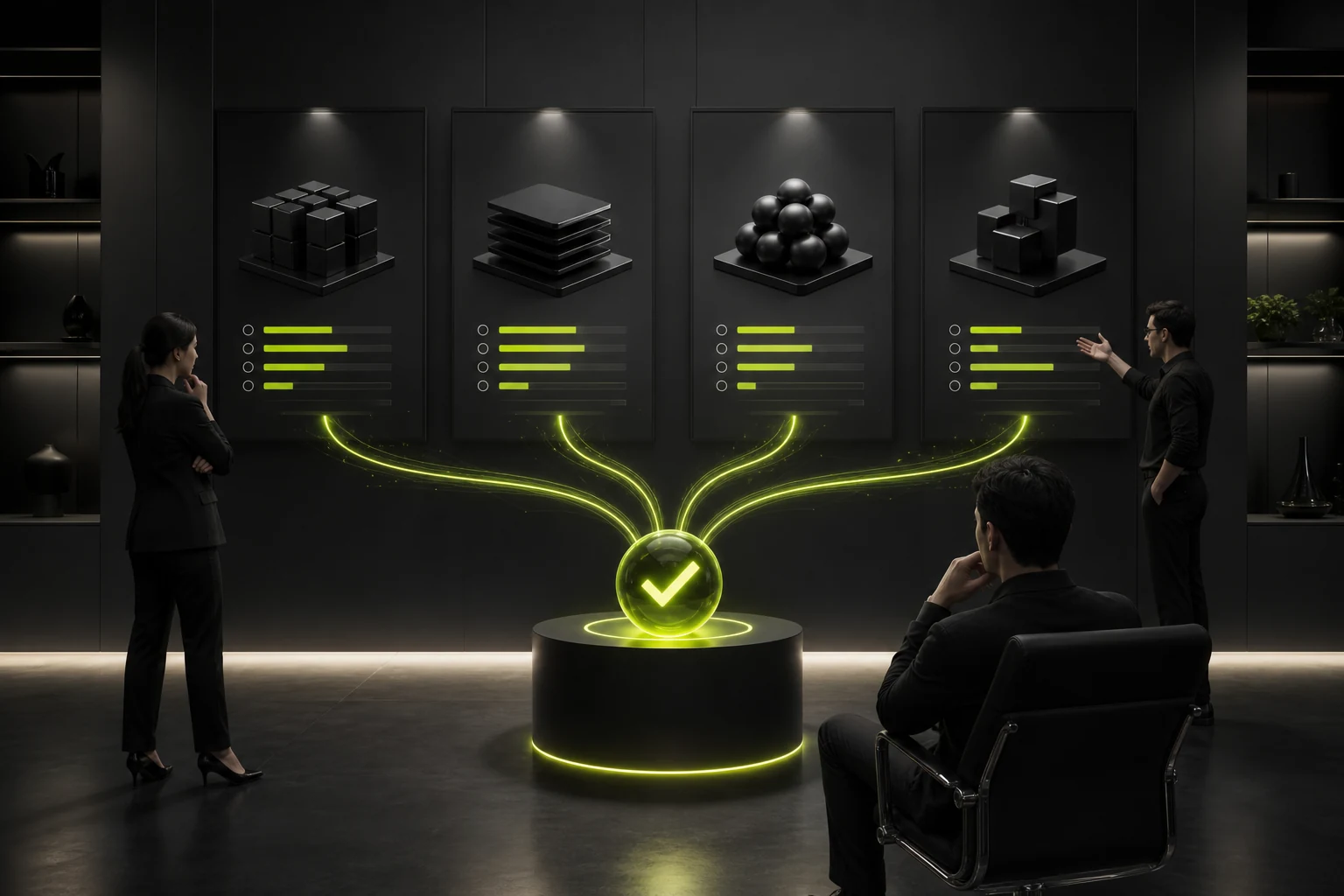
04 Integration and Comparison Pages Serve High-Intent Users
Users who search for “integration with a particular tool” or “A vs. B” are close to a decision. The page should accurately explain the connection method, data flow, limitations, and suitable use cases.
Comparison content should be fair and must not invent weaknesses about competitors.
05 Content Clusters Cover Education and Problem Solving
Tutorials, templates, definitions, calculators, and diagnostic content can build demand, but contextual links should connect them to relevant features, case studies, and trials.
Every article should provide independent value, avoiding thin one-keyword-one-page content.

06 Measure Activation and Revenue, Not Traffic Alone
Connect organic search sources, landing pages, registrations, activation, demos, sales opportunities, and revenue. A high-traffic page may provide little value, while a low-traffic, high-intent page may matter more.
Adjust investment by topic and funnel stage.
SaaS SEO Page System
Page Type | Primary Intent | Core Content |
|---|---|---|
Feature Page | Understand product capabilities | Task, workflow, screenshots, limitations, CTA |
Solution Page | Evaluate fit for a use case | Role, workflow, case study, implementation |
Integration Page | Confirm connection feasibility | Data flow, steps, permissions, limitations |
Comparison Page | Select a vendor | Differences, fit, migration, and evidence |
Content Page | Learn and solve a problem | Tutorials, templates, tools, internal links |
Case Study Page | Reduce procurement risk | Context, implementation, results, and conditions |
Frequently Asked Questions
How long does a SaaS blog take to generate registrations?
There is no fixed timeline. It depends on competition, site authority, topic fit, and how effectively the product captures demand.
Can feature pages rank in search?
Yes, and they often address strong commercial intent. They need indexable, specific, and valuable content.
Are there risks in comparing competitors?
Base comparisons on public, verifiable information and keep them accurate, fair, and current.
Is it worth building many integration pages?
Only integrations that genuinely work, have search demand, and can be maintained deserve standalone pages.
How can content stay connected to the product?
Assign relevant features, case studies, CTAs, and downstream user paths to every topic.
Service | View |
|---|---|
Related Services | |
Related Reading | View Service Details |
Design Case Studies | |
Project Consultation |
 Link copied