How to Design a Sports Community App: Start with One Complete Offline Event
A common mistake in sports community products is to build a content feed first and then add nearby events. What users actually need to know is whether an event suits them, whether space remains, whether teammates are reliable, what happens if it rains, where to check in, and how results and relationships will be retained afterward. Helping one offline event run smoothly matters more than making the home page look busy.
A common mistake in sports community products is to build a content feed first and then add nearby events. What users actually need to know is whether an event suits them, whether space remains, whether teammates are reliable, what happens if it rains, where to check in, and how results and relationships will be retained afterward. Helping one offline event run smoothly matters more than making the home page look busy.
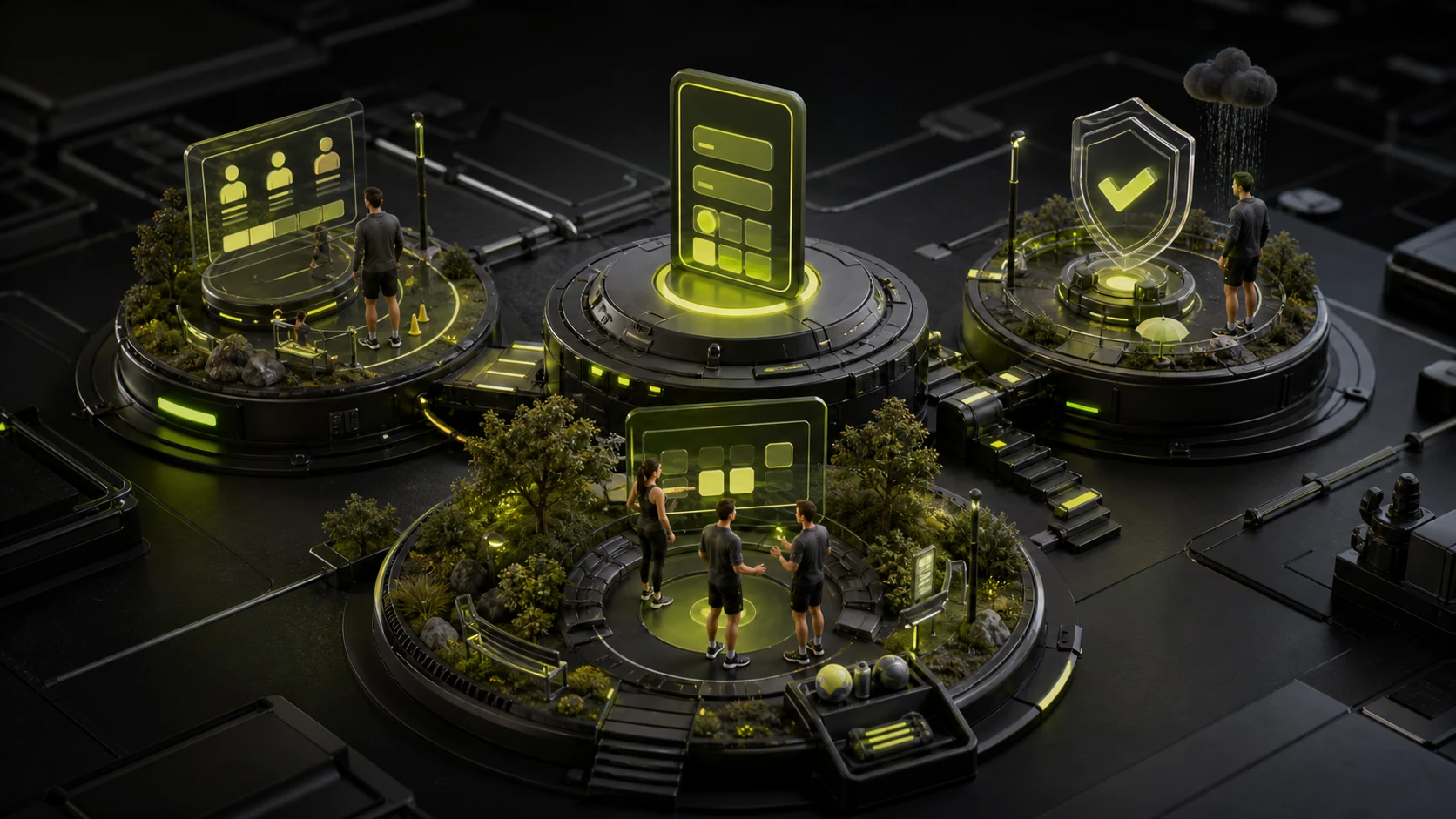
01 Treat an Event as an Eight-Stage Journey
An event is not just a detail page. It begins with discovery and proceeds through evaluation, registration, preparation, arrival, participation, results, and ongoing relationships. If any stage breaks down, users may not return.
During design, select a representative event, such as a weekend ultimate Frisbee game or evening run, and review the inputs, risks, owners, and notifications at every stage.
| Stage | What Users Care About Most | Product Capabilities |
|---|---|---|
| Discovery | What is nearby, and does the time work? | Location, date, sport, and skill filters |
| Evaluation | Can I participate, and is the organizer reliable? | Difficulty, rules, capacity, reviews, and cancellation policy |
| Registration | Is payment or approval required? | Capacity, waitlist, payment, profile data, and agreements |
| Preparation | What should I bring, and where do we meet? | Equipment, weather, route, and group notifications |
| Arrival | How do I check in and find my team? | Location, QR code, captain contact, and late-arrival handling |
| Participation | How are groups, schedules, and results recorded? | Teams, scoring, and referee or leader permissions |
| Completion | Where are the photos, results, and reviews? | Results, albums, feedback, and dispute reporting |
| Relationship Building | How can we participate together again? | Following, permanent teams, groups, and recurring events |
02 Skill Labels Need More Than Beginner, Intermediate, and Advanced
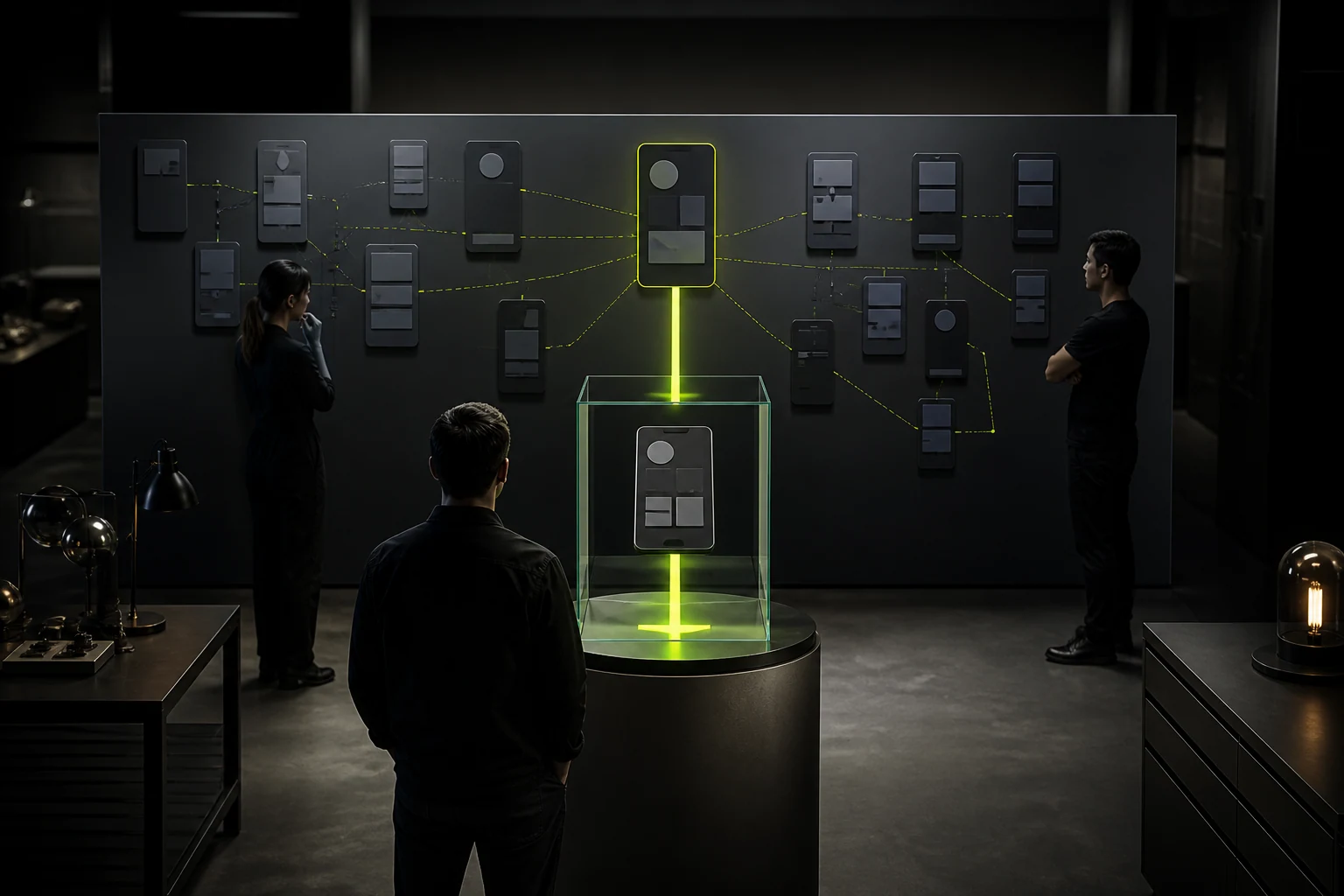
Athletic ability depends on the sport, position, fitness, familiarity with the rules, and competitive goals. An advanced runner may not be ready for high-intensity badminton. Vague labels discourage beginners from registering and disappoint experienced participants.
Organizers can describe the pace, whether instruction is provided, required techniques, expected intensity, and who should not participate, supported by feedback from previous attendees. A small set of standardized platform fields is more reliable than asking every organizer to write promotional copy.
03 Team Formation Is About Aligning Expectations, Not Random Matching
People may join the same sport for socializing, training, competition, or health. Matching should consider goals, schedule reliability, position preferences, and communication style rather than distance alone.
One-time events can use lightweight registration. Long-term teams need member applications, captain approval, attendance records, recurring events, and role management. Do not collapse both relationships into a single “join chat” function.
| Relationship Type | Key Mechanisms | Avoid Overdesigning |
|---|---|---|
| One-time public event | Fast registration, waitlist, and cancellation | Complex membership levels |
| Approval-based event | Application details, organizer review, and outcome notification | Opaque, prolonged waiting |
| Permanent team | Members, roles, attendance, and internal events | Publishing all content to the community |
| Competition team | Roster, positions, schedule, and eligibility | Managing rules and scores in a basic group chat |
| Training partner | Schedule, skill, goals, and reliability | Exposing private contact details directly |
04 Do Not Confine Safety Design to a Disclaimer
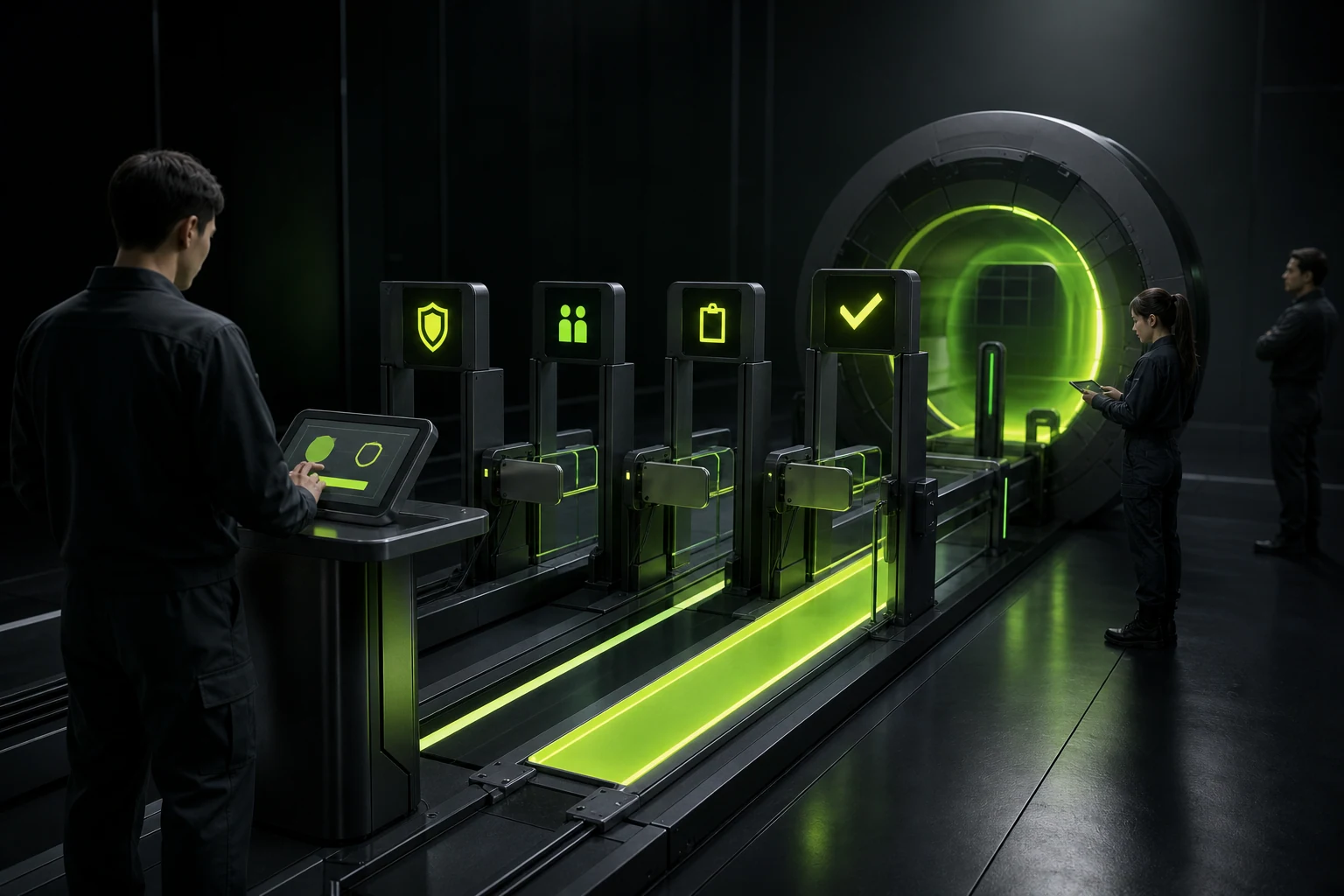
Offline sports involve venues, weather, physical health, minors, and meetings with strangers. A product cannot replace professional judgment, but it can make risks visible earlier.
Event pages should explain intensity, equipment, insurance or liability terms, emergency contacts, and the organizer's contingency plan. They should support bulk notifications, postponements, and refunds when severe weather or venue changes occur. Reporting for harassment and dangerous behavior must be easy to reach, not buried deep in settings.
- Public locations may show meeting points without exposing personal real-time routes by default.
- Events involving minors need guardian and contact rules.
- Health data and activity records require tiered permissions.
- Organizer identity, event history, and disciplinary status should be verifiable.
- Cancellation and refund rules must appear before registration and payment.
05 Activity Tracking Should Support Events and Relationships
If the product is community-oriented, it does not need to compete with professional watches on heart-rate and training analytics from day one. Start by recording participation, outcomes, scores, photos, and personal milestones so the data supports review, team formation, and future invitations.
Professional data can be synchronized from devices, but units, data provenance, and privacy must be handled correctly. Users should not have to publish every route or result to participate in the community.
06 For a Community Cold Start, Prioritize Repeat Meetings Over Content Volume
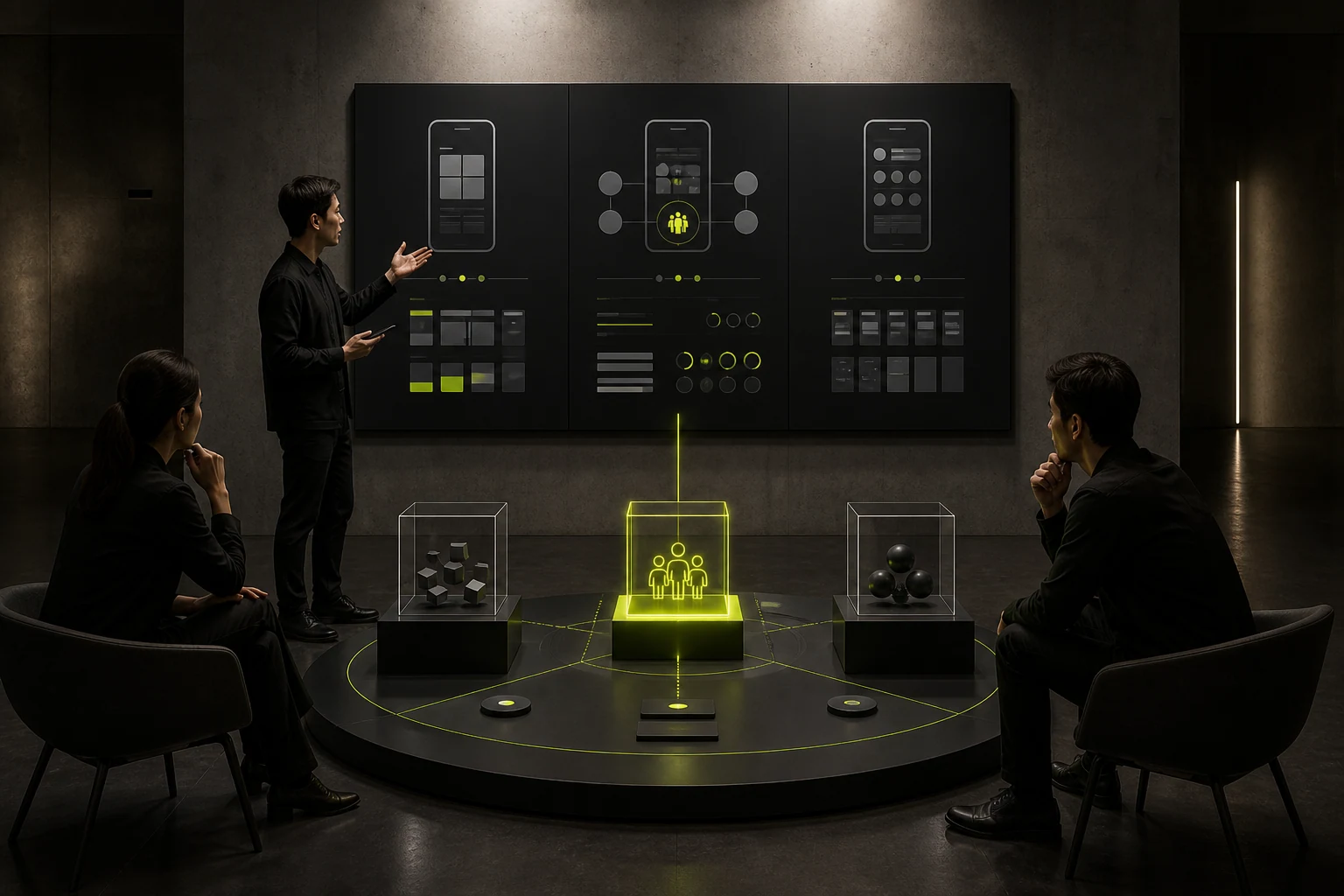
Relationships in sports communities often emerge through repeated offline experiences. During a cold start, supporting dependable organizers, established venues, and recurring events gives participants more opportunities to meet again and is more valuable than encouraging everyone to post updates.
The platform can support event duplication, invitations to previous members, fixed weekly schedules, automated waitlist promotion, and permanent teams. Content will naturally emerge from real events and will be more valuable than generic topics without context.
| Cold-Start Action | Why It Works | Watch For |
|---|---|---|
| Support a small number of reliable organizers | Ensures stable supply and consistent experiences | Excessive organizer power and weak platform rules |
| Focus on a few areas and sports | Increases matching density | Expanding nationally too early and creating empty markets |
| Encourage event series | Creates a reliable cadence and repeat visits | Gaming mechanical check-in rewards |
| Automatically generate post-event recaps | Lowers the barrier to content creation | Publishing photos or results without permission |
| Invite previous members to register again | Preserves relationships | Excessive notifications |
07 Measure Event Completion and Lasting Relationships, Not Just Registrations
Low-cost or popular events may attract many registrations, but late cancellations, poor attendance, and bad experiences exhaust organizers. Metrics should cover the journey from registration to attendance, waitlist fills, cancellation reasons, complaints, repeat registrations, and the formation of lasting relationships.
For long-term value, ask whether users attend a second event, join a permanent team, organizers continue posting, and meaningful interactions occur after events—not how many likes a feed receives.
Frequently Asked Questions
Does a sports community app need real-time chat?
Not necessarily. Structured messages or groups can handle event notifications and essential communication first. Real-time chat introduces moderation, harassment, privacy, and operational costs, so build it only after defining a clear use case.
How can a platform reduce no-shows after registration?
Use a clear cancellation deadline, automatic waitlist promotion, a reasonable deposit, attendance history, and timely reminders. Do not impose blanket penalties for every last-minute situation. Show the rules during registration.
Should activity tracking or social features come first?
It depends on positioning. For an offline-first community, complete the event, relationship, and organizer-tool journeys first. For a training-first product, prioritize tracking and use the community for feedback and motivation.
| Service | View |
|---|---|
| UI/UX Design Services | View service details |
| Project Consultation | Contact JVDS Design Studio |
| Design and Web Development Articles | Read more articles |
 Link copied