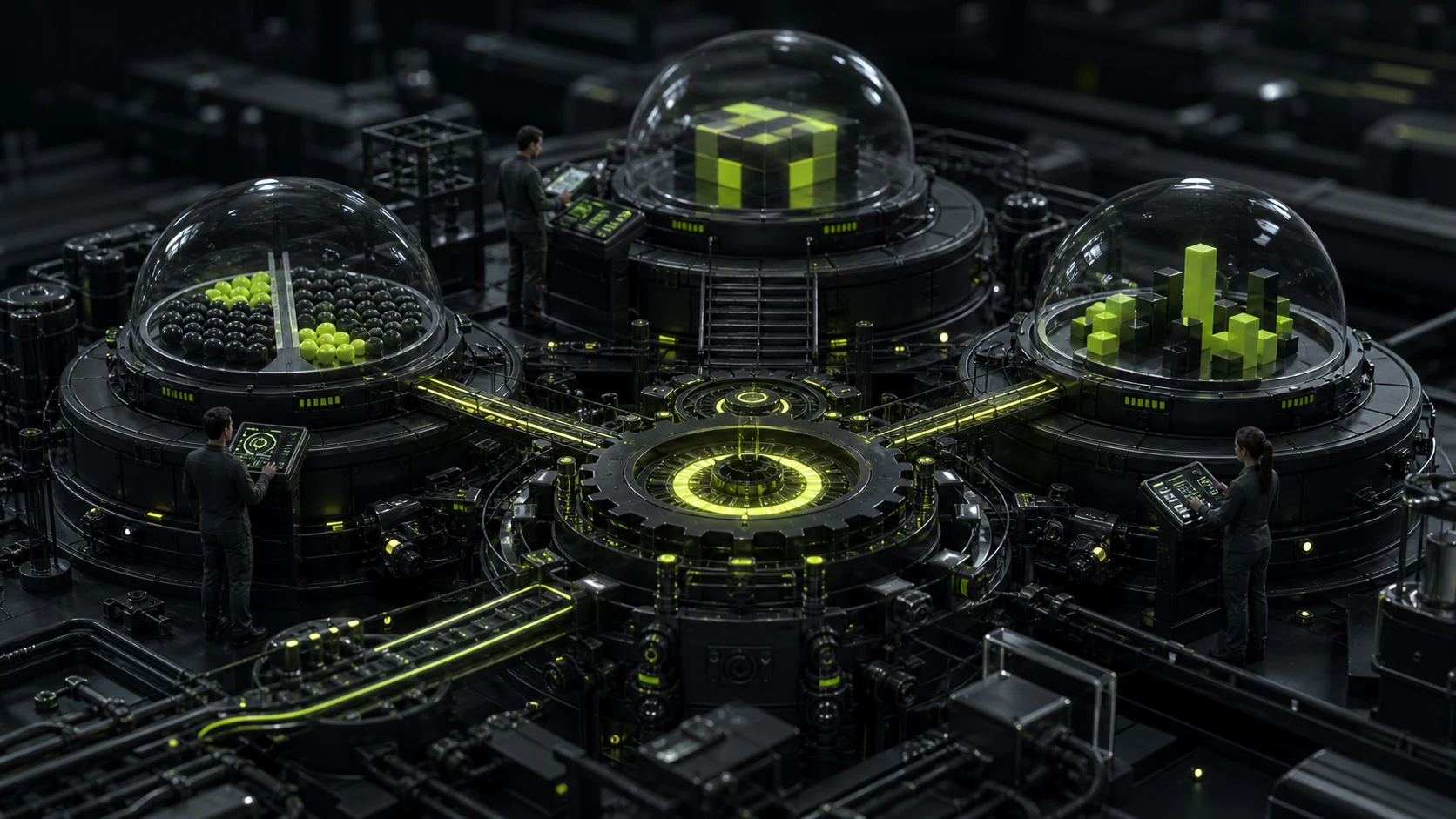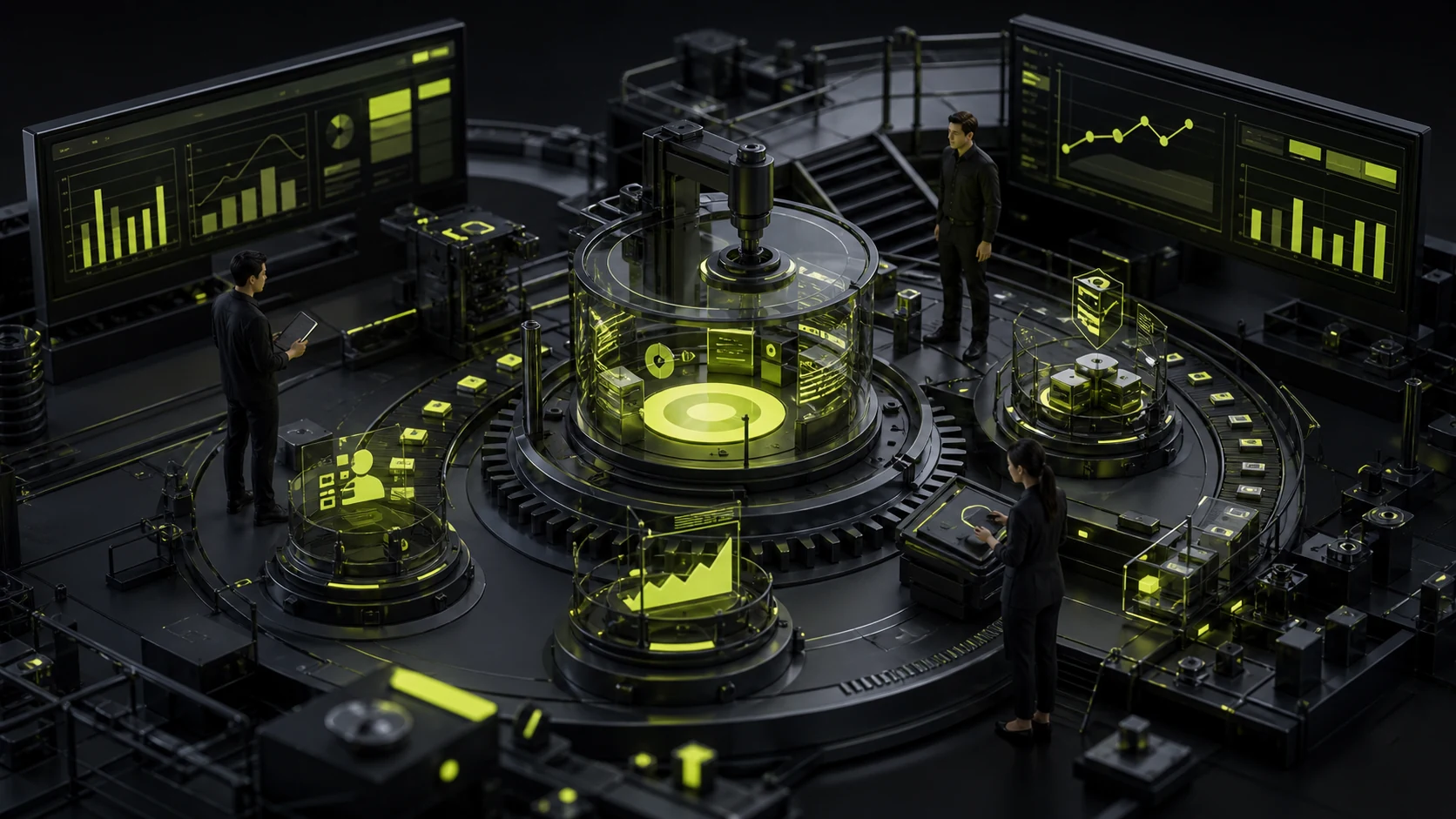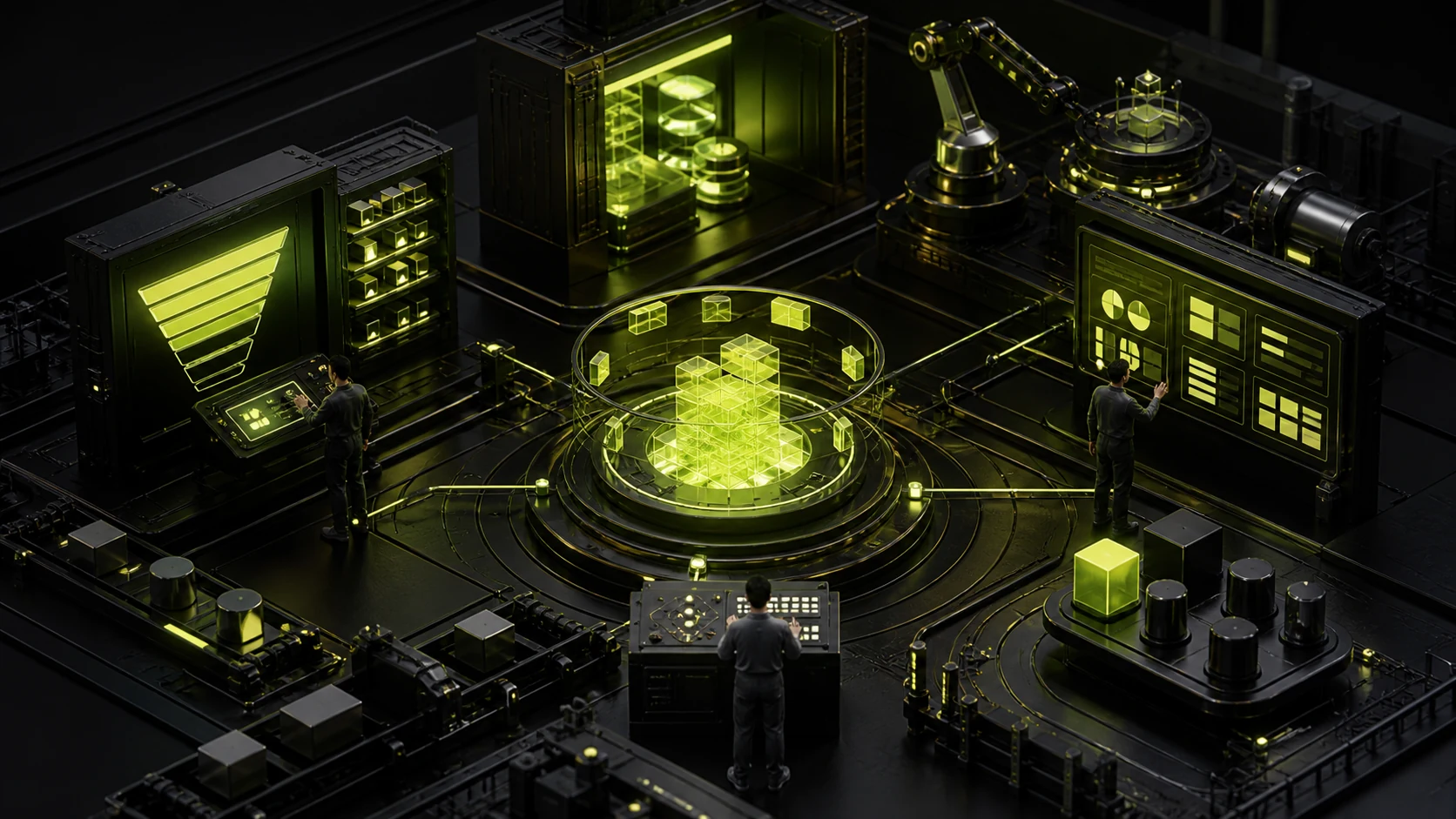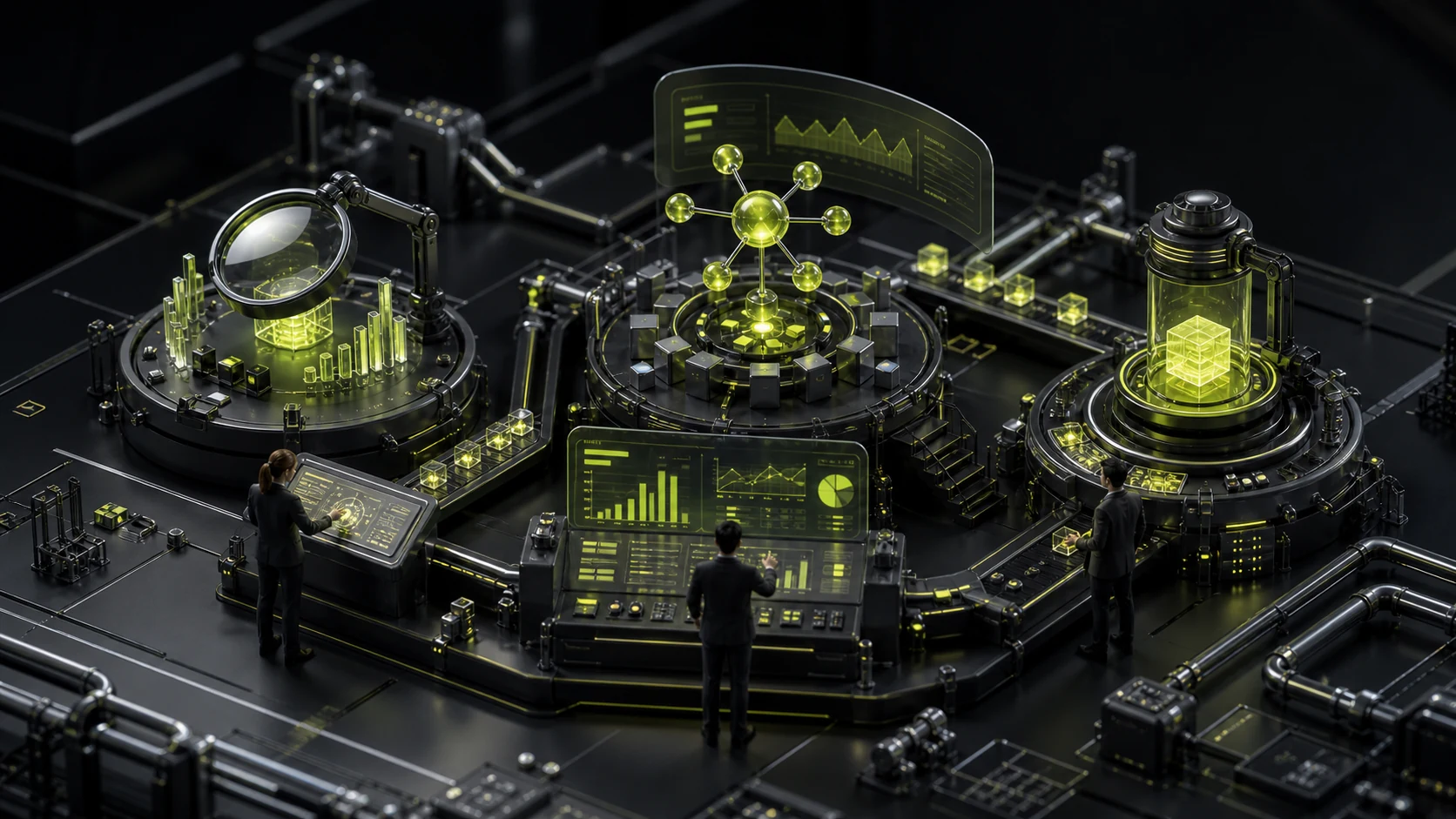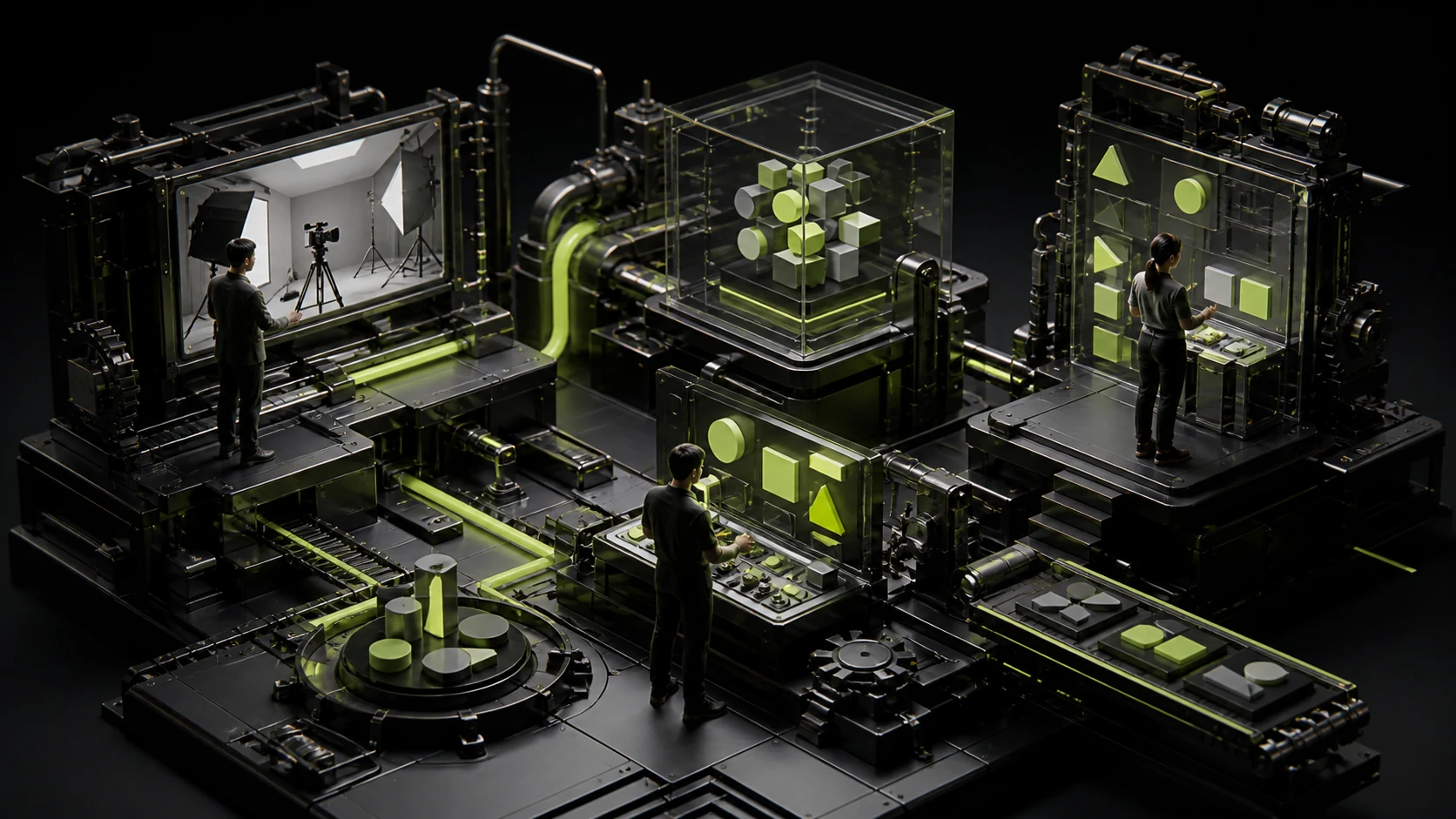
Is it suitable to use illustrations on a corporate website? First, ask whether it is explaining, expressing or covering up
When a company lacks suitable product photos, the team is reluctant to appear on camera, and the service is very abstract, illustrations are easily regarded as a panacea. It can indeed make a page "complete" quickly, but it might also hide its true capabilities. Whether an corporate website is suitable for illustrations does not depend on whether the illustration trend is popular or not, but on whether it serves to explain, express the brand, or replace the evidence that should have appeared.
01 First, distinguish what each of the three types of materials is good at
| Material type | The most suitable task to complete | Problems not good at solving |
|---|---|---|
| Illustration | Explain the abstract mechanism, connect multiple concepts, and establish a unique tone | Prove the factory, team, space and real delivery capabilities |
| Photography | Establish a sense of reality, showcase characters and scenes, and provide credible evidence | Express service processes that have not yet occurred or invisible technologies |
| Product screenshots/interface demonstrations | Prove the real existence of digital products and explain their specific functions | Independently undertake brand sentiment and long-term visual identity |
| Data graphs and diagrams | Explain the structure, results and comparative relationships | Replace content that requires emotions and character trust |
Mature corporate websites rarely use only one type of material. A more common division of labor is as follows: illustrators are responsible for explanation, photographers for proof, product screenshots for presentation, and data graphs for making complex information comparable. Only by clearly distinguishing the roles can the page avoid multiple styles competing for attention.
02 In these scenarios, illustrations are often more appropriate than photography
- Products such as SaaS, fintech, and cloud services that do not involve physical entities need to materialize data flows, collaborative relationships, or automated processes.
- For services involving privacy such as medical care and law, real users cannot be displayed at will, but the process and roles need to be explained.
- When a product is still under development or the service spans multiple scenarios, a single photo cannot accurately represent the complete mechanism.
- Brands need to form a distinct and extensible visual language, while industry image libraries have become highly homogeneous.
- The corporate website requires a large number of small explanatory diagrams, ICONS and step diagrams. A unified illustration system is more stable than constantly searching for image libraries.
But "suitable for illustration" does not mean "the entire site can be illustrated". The first screen can express the brand's temperament, the function page can explain the mechanism, and the case page should still try to return to the real project, interface or achievement as much as possible.
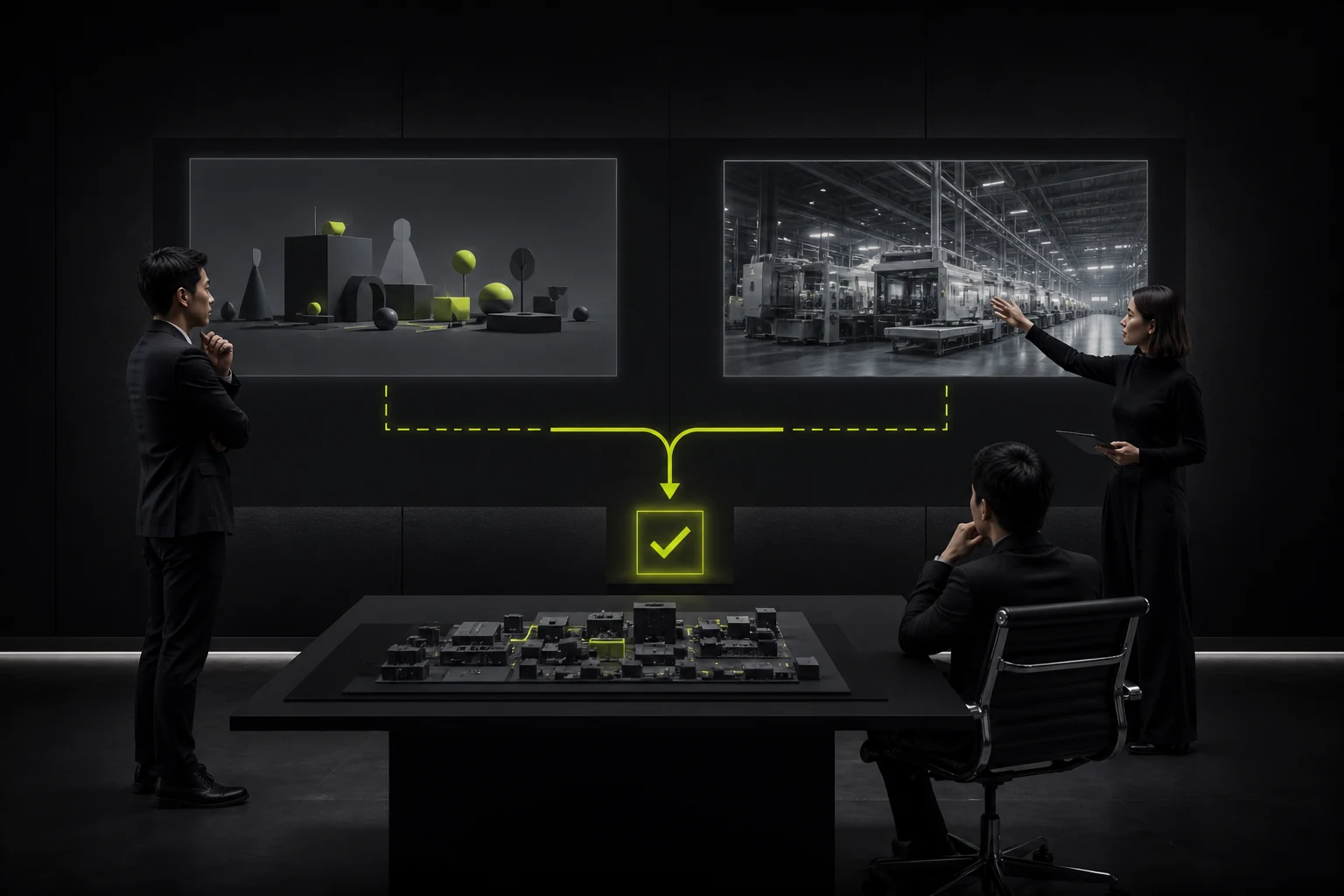
03 In these scenes, real photography is more convincing
Manufacturing, architectural space, consumer products, catering, medical equipment and professional teams usually need to see the real objects. What the customer wants to confirm are the scale of the equipment, material details, on-site environment, service personnel and delivery capabilities. If all these pages use generalized illustrations, users may only remember the style but not the evidence needed to gain trust.
Illustrations can clarify complex matters, but they cannot depict non-existent evidence.
04 The most reliable approach is often "illustration explanation and photography proof".
| Page module | Recommended material combination | Precautions |
|---|---|---|
| Home page first screen | Brand illustration or main visual for photography + clear text | The main visual should not allow the value proposition to rely on images for understanding |
| Service/solution | Process illustration + data graph + real case entry | Illustration explains the mechanism, and cases prove the ability |
| Product Feature Page | Product screenshots + partial illustrations | Avoid using illustrations to replace real interfaces |
| About Us | Team, office or project site photography | Don't just use abstract character pictures to cover up the main subject information |
| Case Page | Real delivery, process diagrams, and before-and-after comparisons | The nature of the synthetic effect drawing needs to be explained |
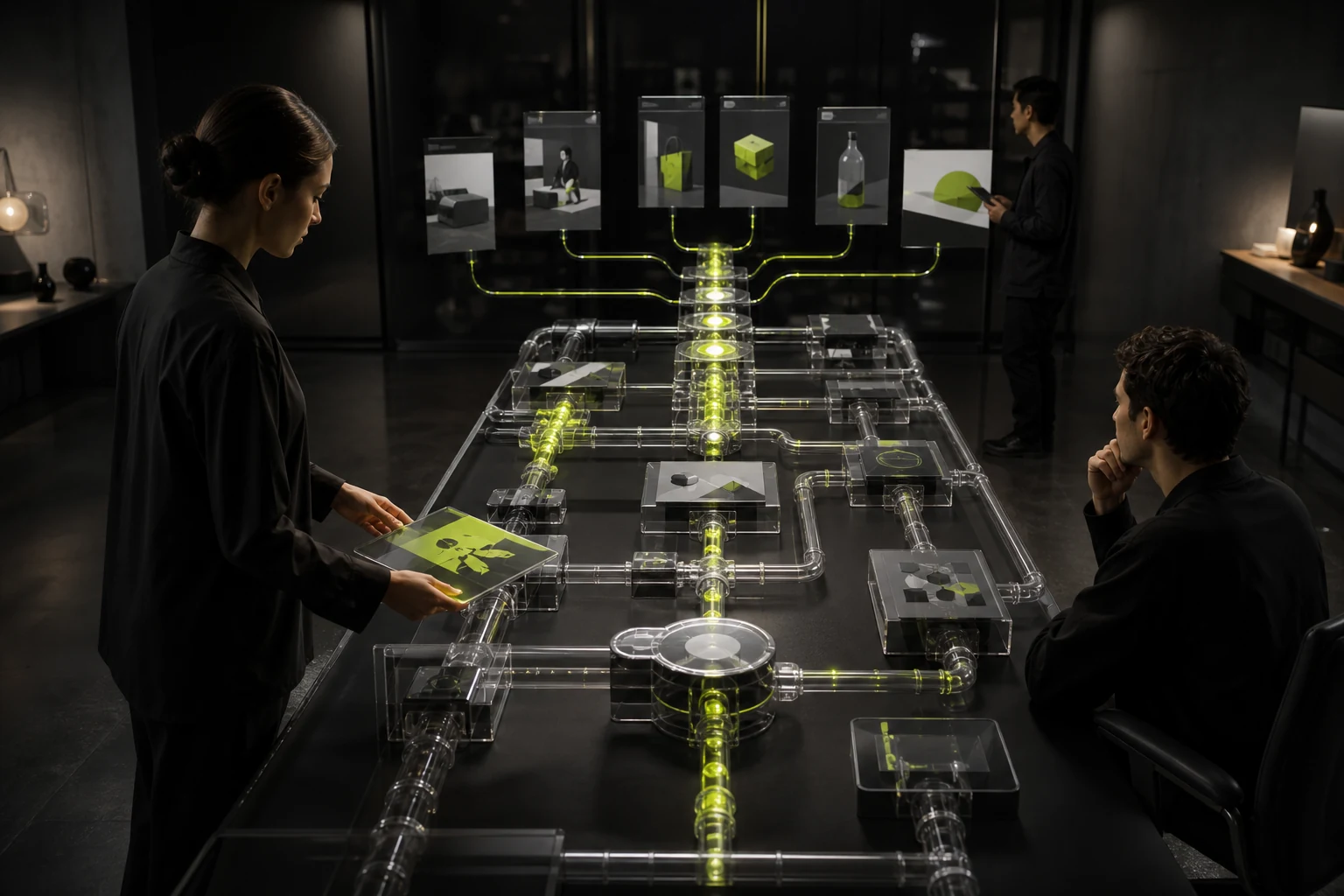
05 The true cost of an illustration occurs after the "second use"
It's not difficult to make the first batch of illustrations beautiful. The hard part is whether the team can still maintain the same language when a new product line, an event page and a set of social content are added half a year later. Only when the rules of lines, shapes, character proportions, perspective, shadows, colors, ICONS and motion effects are clear can illustrations become assets rather than one-off projects.
| Long-term cost item | Advance confirmation is required. | Common ways of losing control |
|---|---|---|
| Style rules | Lines, shapes, figures, scenes and color boundaries | Each time a new illustrator is chosen, the style gradually drifts |
| Source file | AI, SVG or editable layered files and naming | Only PNG is available. The scale and details cannot be modified |
| Copyright and Authorization | Original content, image libraries, generative materials and font boundaries | By default, "Everything found online can be used commercially." |
| Reactive | Desktop, mobile phone, light and dark background, and cropping rules | Designed only for a first-screen aspect ratio |
| Production mechanism | Who can add, who reviews, and how often to update | Each time a new addition is made, the entire visual system needs to be redone |
06 At least six things should be clearly stated in the illustration Brief
- What specific issue does it need to explain: is it the product mechanism, service process, or brand sentiment? It cannot merely write "Make it a bit more technological".
- What are the main viewing scenarios: the first screen of the corporate website, function pages, mobile cards or social content? Different sizes require different compositions.
- Which information must be true: product structure, data relationships, device forms and character roles cannot be rewritten at will just to make the picture look good.
- What are the style boundaries: to what extent are lines, color blocks, perspective, figure proportions, shadows, textures and colors each allowed?
- Which assets need to be delivered: desktop and mobile versions, SVG or layered source files, icon components, motion effect splitting and naming rules.
- Who will maintain it subsequently: Will the new materials be completed by the design team, the internal brand team or the operation staff? The review standards and budget should all be confirmed in advance.
The more specific the Brief is, the less likely the illustrations are to become mere decorations. The design team should also first submit a small number of key scene and rule samples to confirm that the visual language can cover the real content, and then expand in batches, rather than finding that the characters, scenes or proportions do not match after drawing dozens at once.

07 Generative images can be used for exploration, but they cannot replace brand governance
The generation tool is suitable for quickly finding composition and emotional direction, and can also help create low-risk concept sketches. Before the official launch, it is still necessary to check the details of characters and objects, style consistency, authorization records, editable ability, and whether it conflicts with brand assets. If the same character and visual rules cannot be stably reproduced, subsequent operations will be difficult to extend.
08 Before making a decision, conduct a stress test on a real page
- Choose the service page with the most complex content instead of just looking at the first-screen effect drawing.
- At the same time, include long titles, real data, product screenshots, customer cases and mobile device dimensions.
- Ask the design party to show the process of adding a new illustration and the source file, rather than just providing the completed picture.
- Let the sales or customer service determine whether the illustration helps explain or prompts the customer to raise more fundamental questions.
09 How to measure if an illustration is helpful
It is possible to observe whether users can understand the service relationship more quickly, whether they can repeat the product mechanism, whether they are willing to continue viewing cases, and whether the content team can continuously produce according to the rules. Likes and "very nice" can only indicate the first impression, but not that it has fulfilled the corporate website's mission.
Frequently Asked Questions
Would using illustrations on a B2B enterprise's corporate website seem unprofessional?
No. Professionalism stems from accurate information, visual consistency and sufficient evidence. Restrained diagrams can enhance understanding, but if all characters, scenes and data are cartoonized, it may indeed undermine the credibility of serious business.
When the budget is limited, which one should be done first, illustration or photography?
First, look at what kind of evidence the user needs most. Photography is preferred when showcasing the factory, products and team. When explaining abstract services, create a few key illustrations first. Don't purchase low-quality image libraries and cheap illustrations at the same time just to fill up the page.
Are SVG illustrations necessarily better than PNG ones?
Not necessarily. Simple vector graphics are suitable for SVG and are easy to scale and change colors. Complex textures, photo-like effects or a large number of paths may make SVG too heavy. The selection should be based on visual complexity, animation requirements and browser performance.
Do the illustrations on the corporate website need to be updated every year?
The core style should not be frequently redone following the trend. When new business is added, the brand is upgraded, or the materials are obviously no longer in line with the content, the system should be updated. Daily operations should be expanded within the existing rules.
| Related Service | Learn More |
|---|---|
| Corporate Website Design Services | View Service Details |
| Project Consultation | Contact JVDS Design Studio |
| Design and Website Development Articles | Read More Related Articles |
 Link copied