Corporate, Brand, Marketing, and Product Websites: What Is the Difference?
Many companies begin a website brief by saying, “We want a premium brand site that converts like a marketing site and explains features like a product site.” Those goals are compatible, but without a clear priority, the result often includes every module while making no objective stand out.
The real difference among corporate, brand, marketing, and product websites is not whether the homepage uses large imagery or video. Each helps a different audience make a different decision. One website can combine several capabilities, but it needs a primary type, with other goals playing supporting roles.
01 The Core Differences Among Four Website Types
Type | Primary Goal | Core Audience | Key Content |
|---|---|---|---|
Corporate website | Establish corporate credibility and provide comprehensive information | Customers, partners, candidates, media, and investment stakeholders | Company, business lines, products, case studies, news, contact, and compliance information |
Brand website | Build awareness, emotional connection, and a consistent brand experience | Consumers, brand followers, channels, and media | Brand idea, story, visual assets, product experience, campaigns, and culture |
Marketing website | Generate leads, bookings, purchases, or another defined action | Prospects arriving through advertising, search, events, or sales outreach | Value proposition, pain points, evidence, solution, pricing guidance, and low-friction CTA |
Product website | Help users understand, compare, try, and continue using the product | Buyers, end users, developers, and security stakeholders | Features, use cases, integrations, pricing, documentation, releases, status, and support |
02 Corporate Website: Help the Outside World Understand the Company
A corporate website usually serves the broadest audience, so complete information, stable structure, and credible evidence matter most. It may not need one aggressive conversion action, but visitors should quickly confirm the legal entity, business scope, capabilities, representative work, and contact information. Manufacturers, business groups, professional services firms, and organizations that communicate with candidates, media, or investors generally need a corporate website as the primary model.
The most common mistake is mirroring the internal org chart. When navigation follows departments exactly, outsiders must first understand how the company is organized before they can find a product or solution. Structure the site around user questions and business entry points; company information is one evidence layer, not the organizing principle for everything.
03 Brand Website: Turn the Brand Promise into a Felt Experience
A brand website is not simply a corporate website with more polished visuals. Rhythm, language, imagery, interaction, and content should work together to create recognition, express the brand’s point of view, and encourage continued engagement. Consumer, lifestyle, cultural, launch, and rebranding projects are more likely to lead with a brand website.
Brand expression still needs a commercial purpose. Every story should clarify product value, build trust, or lead to a next step. Formal experimentation should not undermine product information, mobile usability, or page speed.
04 Marketing Website: Organize Content Around One Clear Action
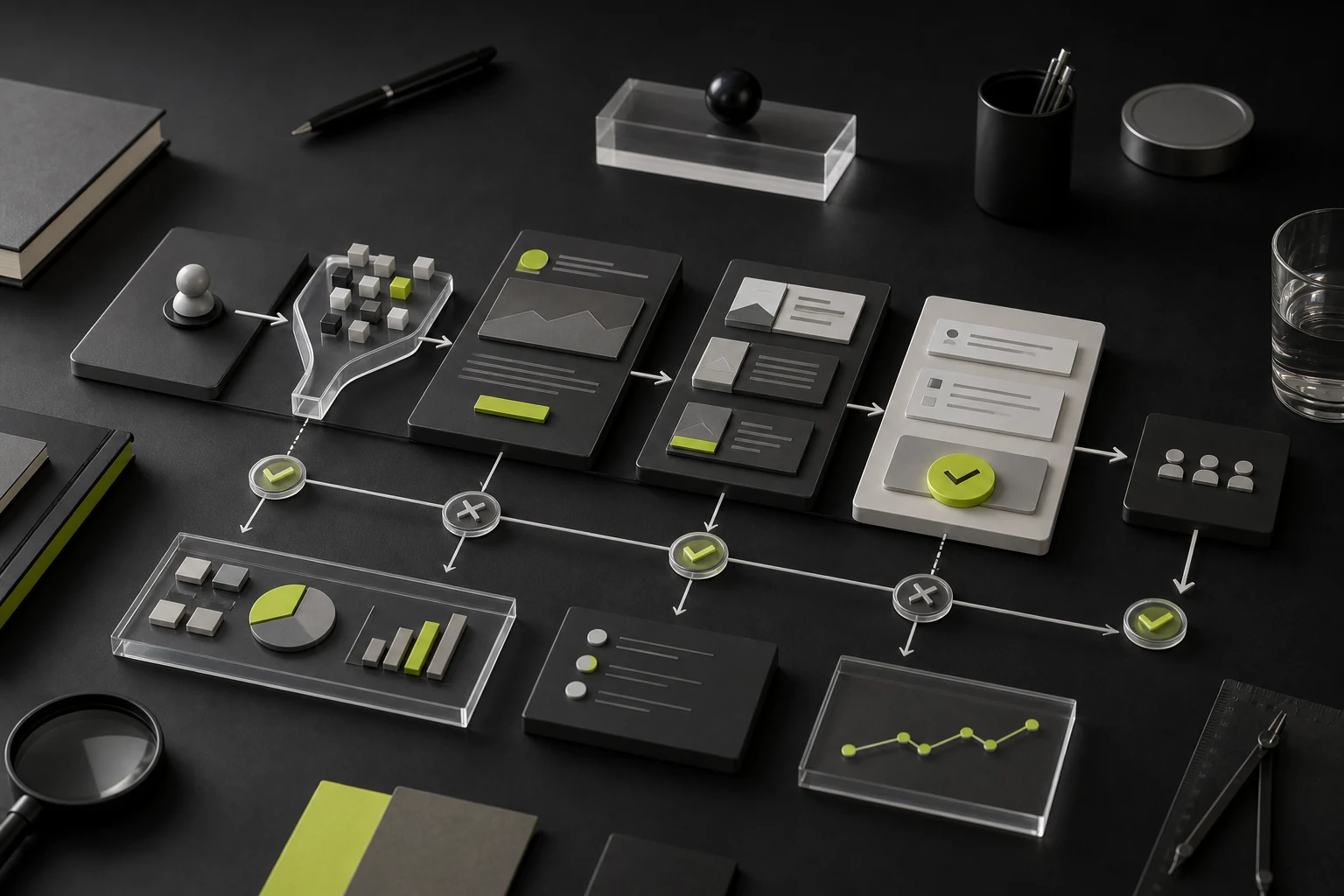
A marketing website usually supports customer acquisition, with more predictable traffic sources and desired actions. It may be a set of landing pages or a complete acquisition-focused site. The key is not more buttons, but alignment among traffic, message, and action. Someone searching for corporate website pricing should quickly see project fit, pricing variables, examples, and a consultation path—not ten minutes of brand history.
Marketing sites require continuous operation. Ad copy changes, customer questions, sales feedback, and conversion data should inform page iteration. A CMS, experimentation capability, analytics, and a content-production process matter more than a one-time visual effect.
05 Product Website: Support Understanding, Trial, and Use
Product websites are common for SaaS, software, hardware, platforms, and digital services. The homepage explains the value, but feature pages, solutions, pricing, integrations, developer documentation, security and compliance, release notes, and help content drive the decision. Complex product sites often serve business buyers, end users, developers, and IT security teams at once.
The website must stay connected to the product lifecycle. Feature launches, version changes, API updates, and pricing changes need timely updates, or the site quickly becomes a marketing artifact disconnected from the actual product.
06 Six Questions for Choosing the Primary Type
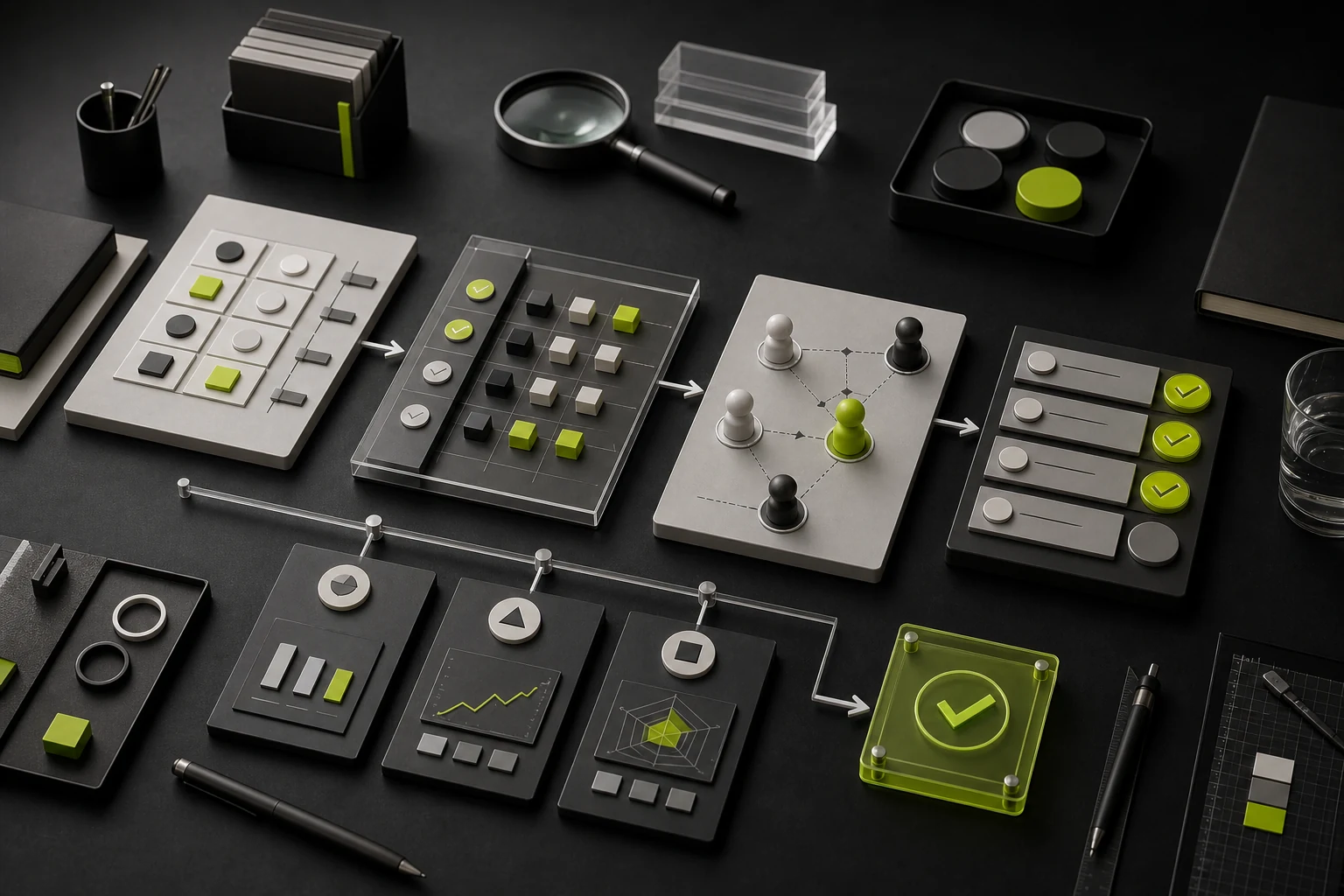
- On a first visit, what must users confirm first: corporate credibility, brand affinity, solution relevance, or product capability?
- What is the most important action: contact, book, buy, start a trial, download, or enter the product?
- Who updates the content, and does it change monthly, weekly, or with every product release?
- Will sales use the site as a resource library and share pages repeatedly during a long buying cycle?
- Must the site serve several countries, industries, roles, and languages?
- One year after launch, will success be judged by branded search, qualified leads, trials, sales enablement, or customer self-service?
07 A Practical Decision Matrix
Business Situation | Recommended Primary Type | Capabilities to Add |
|---|---|---|
A diversified company needs to present the organization, business lines, case studies, and careers | Corporate website | Priority-business landing pages, brand expression, and SEO content |
A new brand launch or rebrand needs distinctive awareness | Brand website | Product evidence, purchase or inquiry paths, and social sharing |
The business depends on paid media and search for sales leads | Marketing website | Corporate trust pages, case studies, analytics, and CRM integration |
A SaaS or platform business needs trials, demos, and technical evaluation | Product website | Brand narrative, solutions, developer center, and security materials |
A manufacturer has many models and complex specifications | Corporate plus product website | Catalog, filtering, downloads, and inquiry context |
A group owns multiple brands and business units | Corporate website as the entry point | Independent brand or product sites, unified brand governance, and search strategy |
08 One Website Can Combine Types, but the Homepage Needs One Primary Job
Established companies often need a hybrid. A B2B software site may use the brand layer to build a professional image, the corporate layer to prove the entity and credibility, the product layer to explain features and integrations, and the marketing layer to drive demo bookings. Hybrid does not mean equal weighting. The homepage should solve the most important user problem first, with navigation, tiered CTAs, and dedicated pages supporting secondary goals.
09 Why Budgets and Timelines Differ
A corporate website invests heavily in information architecture, content organization, and varied page types. A brand site may add film, motion, creative engineering, and brand assets. A marketing site needs content experiments, forms, CRM integration, and measurement. A product site may require extensive feature pages, pricing, documentation, accounts, or product data. All may be called a “website,” but the actual work differs substantially.
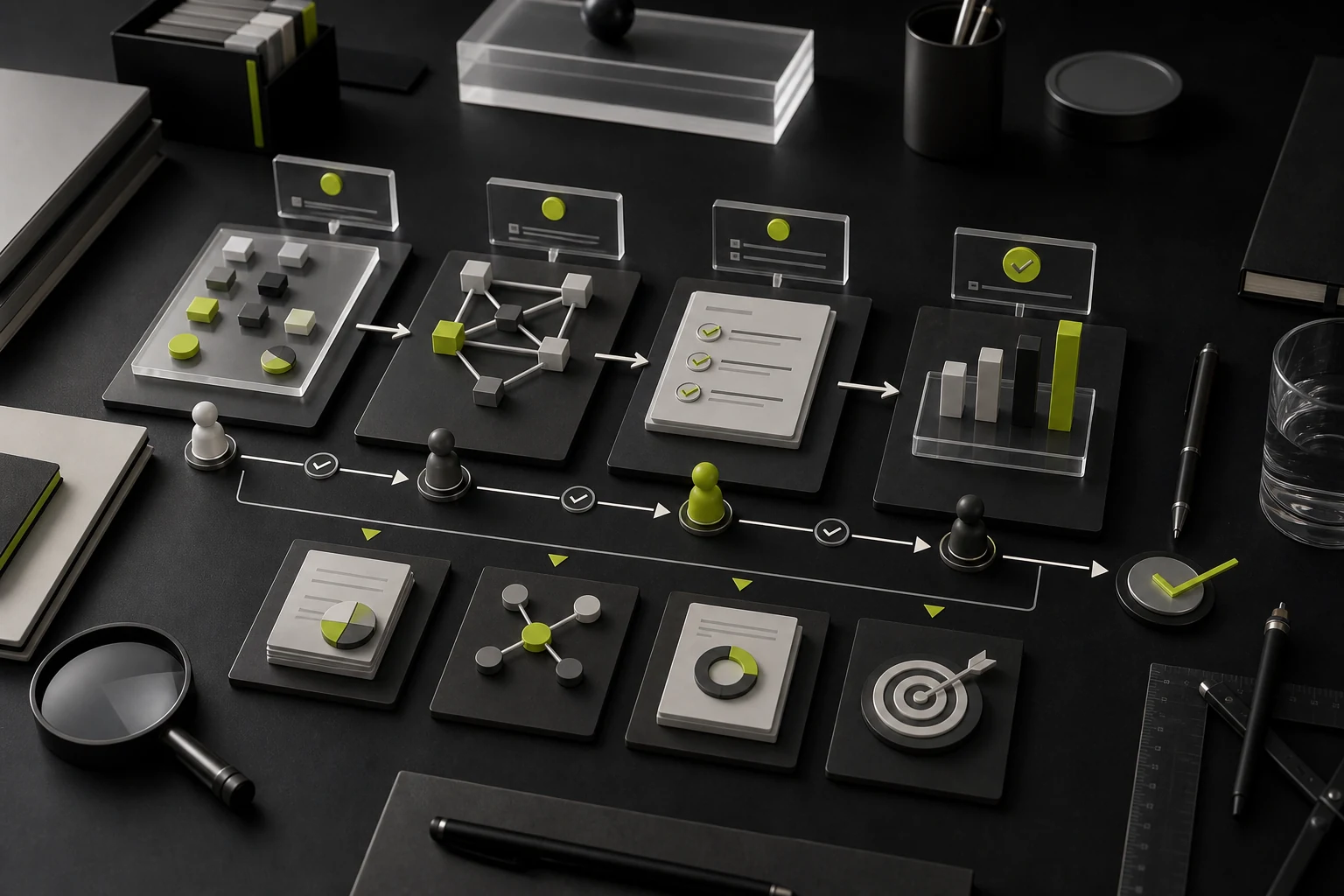
10 Four Decisions Required at Kickoff
- □ One-sentence primary objective: which business problem does the website solve first?
- □ Audience priority: who is the primary user, and who is secondary?
- □ Page and content matrix: which evidence and actions does each audience need?
- □ Success metrics: which post-launch data will show whether the primary objective was achieved?
Frequently Asked Questions
Does every corporate website need a news center?
No. News or insights are valuable only when the company has ongoing content, industry updates, announcements, or an SEO plan. An empty section that remains stale weakens trust.
Can a brand website ignore SEO?
It should not. A brand site still needs crawlable pages, semantic structure, speed, and foundational optimization for branded and core product queries. It simply may not publish at the volume of a content-led marketing site.
Is a longer marketing page always better?
No. Length should match the evidence required for the decision. A low-cost, low-risk action may need a short page. A high-value B2B purchase needs more case studies, process, security, and procurement information.
Can the product site and help center live together?
They can share navigation and a brand system, but marketing content and usage documentation serve different tasks. Distinguish them clearly in structure and search so prospects and customers do not interfere with each other.
Which type should a small business build first?
Build the smallest complete website that solves the most important current business problem. Most service businesses can begin with a corporate website plus a limited number of acquisition-focused landing pages.
Service | View |
|---|---|
Corporate website design and development | |
Brand identity design | |
UI/UX design | |
Project inquiry |
Need design or website development services?
JVDS Design Studio is a professional design studio focused on digital product experiences and brand identity. We work with businesses in China and overseas that want to strengthen their brand image, improve user experience and grow their business, providing clear, usable UI/UX design, high-quality website design and development, app and mini-program development, and cohesive, distinctive brand identity design.
Planning a corporate website, a multilingual site or a redesign? Tell us about your audience, existing website and the work you need.
 Link copied