


Website & Design Insights
All Insights
 Interface Design
How Should a Demo Identify Available Features, Demonstration-Only Features and Features Still Under Evaluation?
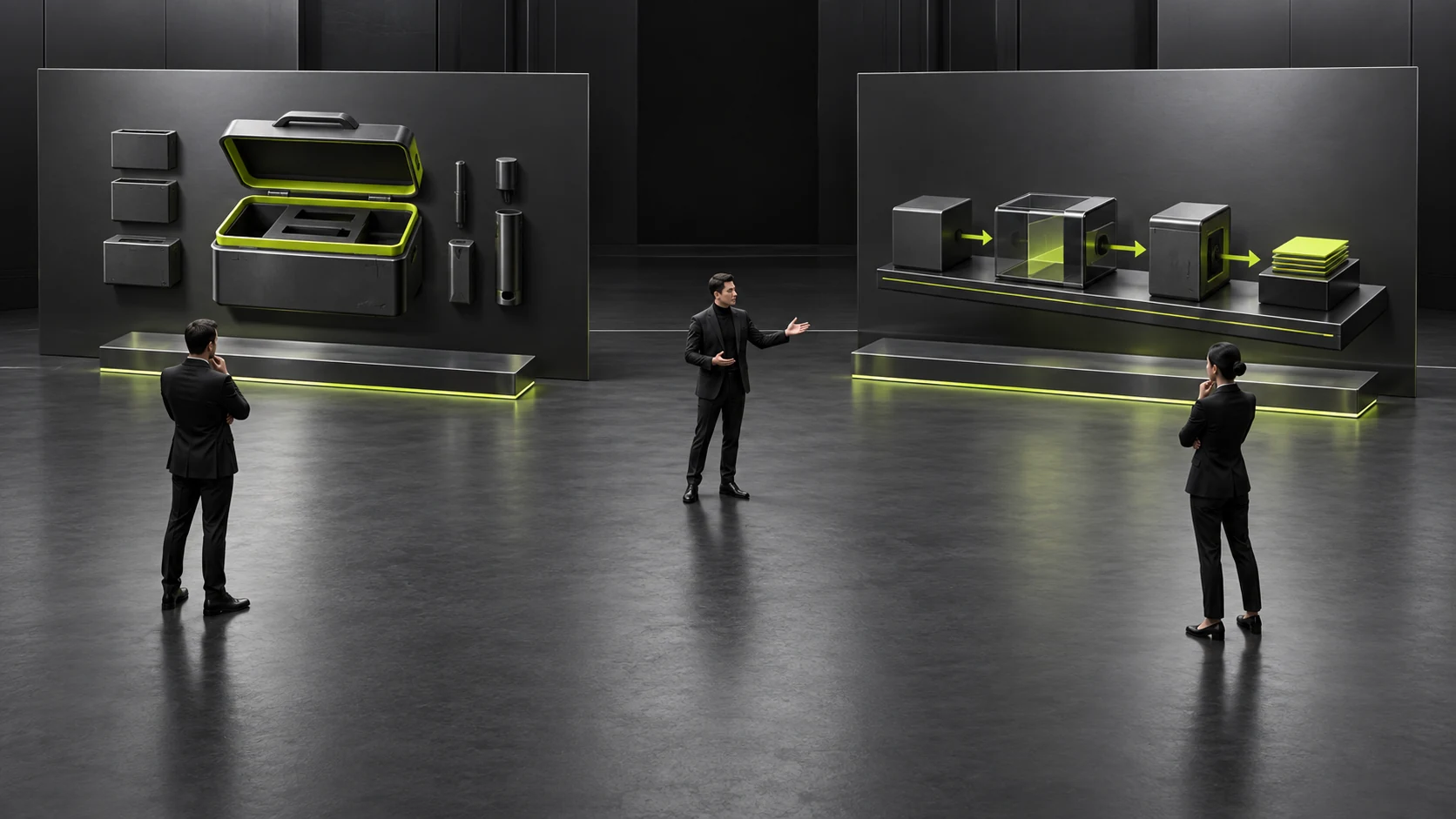
Demo screens can be clicked, switched and made to display results, so customers may assume that these capabilities are already available for actual use. In reality, some may belong to the current product, some may be sample processes, and others may exist only to discuss future directions. Simply saying that this is a demonstration at the start may still leave viewers unable to identify the status of a particular feature.
 User Experience
How Can an Enterprise Software Demo Address Both Purchasers and Actual Users?
In an enterprise software demonstration, purchasers want to judge whether the product suits their organization, while actual users want to understand how they will complete everyday work. If sales staff simply move through menus and highlight features, purchasers cannot see the conditions of provision and users cannot see task details. If the entire session becomes an operating tutorial, purchasers may struggle to connect the demonstration with business goals.
 Web Insights
When the Main Business Changes but Older Products Remain Available, How Can a Website Shift Focus Without Losing Existing Customers?
When a company directs most of its effort toward new products or services, its website also needs to shift its introductory focus. Yet original products may still be supplied, and existing customers still search by old names. Simply removing older content from prominent positions may help newcomers understand the new business while leading existing customers to believe familiar products are no longer offered.
 Web Insights
What Preparation Can Customers Do Themselves Using Website Technical Materials, and Which Operations Should Be Left to Professionals?
Website technical materials sometimes introduce only purpose and basic structure, yet customers may treat actions in diagrams as steps they can perform themselves. If the title says “usage guide” but the body omits the audience and preparation conditions, readers cannot easily judge whether it supports initial understanding or actual operation. The issue is unclear purpose, rather than necessarily a lack of professional knowledge.
 Web Insights
When a Website Provides a Competitor Model Replacement List, How Should It Explain That the List Is a Clue Rather Than a Guarantee of Direct Compatibility?
In B2B manufacturing sectors such as electronic components (IC chips and connectors), industrial automation sensors, hydraulic and pneumatic components, and seals and bearings, procurement staff and engineers most often search by entering the original manufacturer's part number from a major international brand to find Chinese-made alternatives or compatible models. A “Cross-Reference Tool” on your website is therefore an excellent way to capture traffic with exceptionally high conversion intent.
 Web Insights
When Adjacent Models Look Almost Identical, How Can Website Images Prevent Customers from Misidentifying Products?
When two products have almost identical housings and the same image angle, customers can easily treat them as one object. Actual differences may concern configuration, purpose, or version and cannot be judged from pictures alone. If the website puts only a short model name beneath a card, product identity may disappear again in detail images, downloads, or forwarded pictures.
 Web Insights
When Channel Partners Reuse Product Materials, How Should a Website Prepare Versions That Retain Their Context?
Channel partners often need to place manufacturer materials in their own introductions, emails, or sales files. After forwarding, product names, applicable conditions, and explanations beside the original website content may disappear, leaving recipients with only an image or a performance description. Even if the original text is correct, use without context can mislead customers about what is offered.
 Web Insights
When a Solution Requires Several Suppliers, How Should a Website Clarify Which Part the Company Completes?
A business solution may include product supply, site preparation, design, installation, software cooperation, and ongoing support. When a website draws the entire process, customers may assume that the company undertakes all the work shown. If later discussions reveal other suppliers, existing systems, or the customer's own team are involved, the parties already understand “solution” differently.
 Web Insights
Customers Finish an Industry Case but Still Do Not Know Which Product to Ask About: How Should a Website Write Related Content?
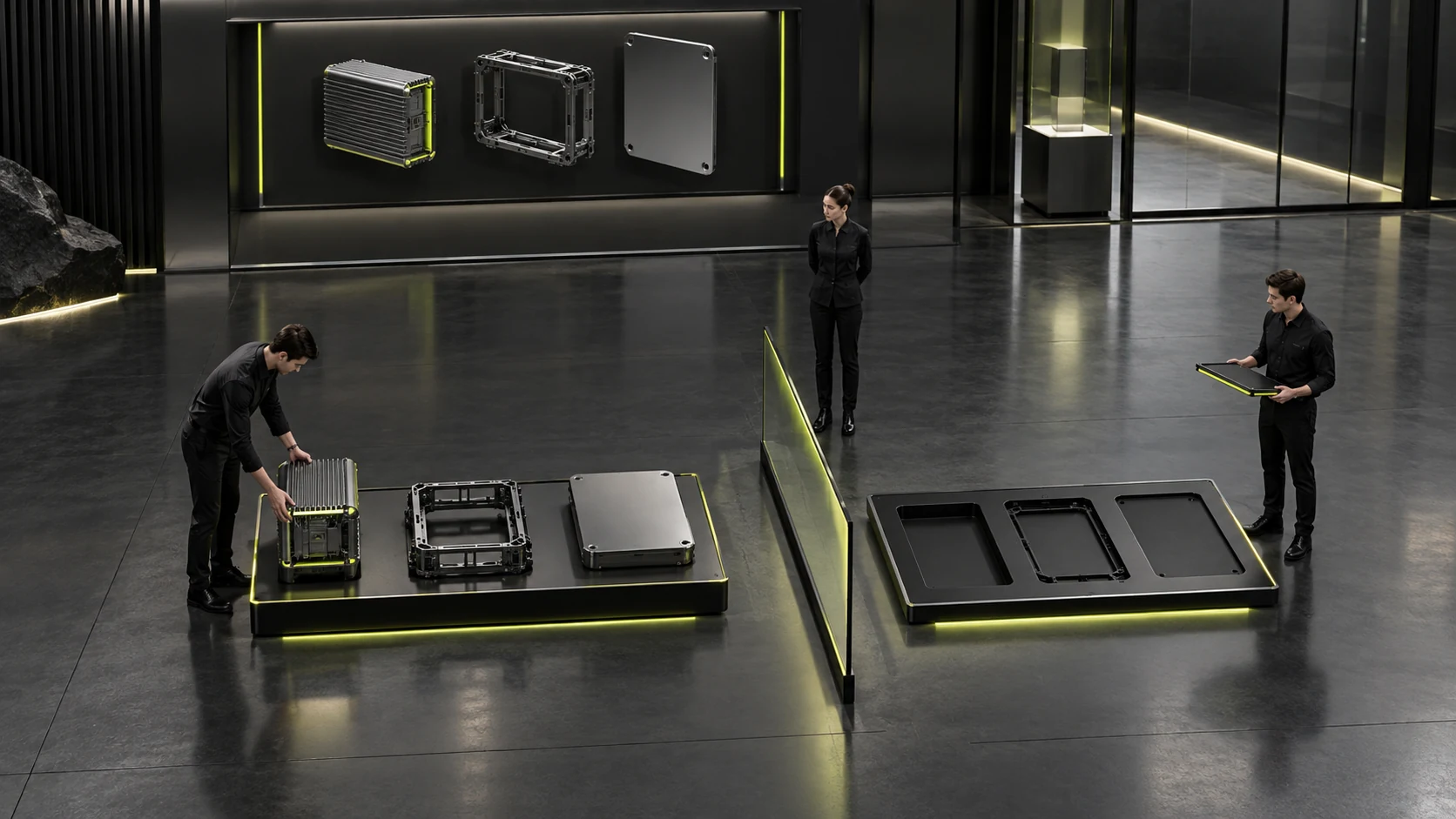
After reading an industry case, customers may understand what the company participated in but still not know which product or service to ask about. The page shows a complete project, while the actual purchasing object may be only one part of it. Models and service methods from the case may also have changed. A “Learn about the solution” button at the end cannot make these judgments for customers.
 Web Insights
When a Website Says “Customization Available,” How Can Customers Tell What Is Open for Discussion and What Has Defined Limits?
“Customization available” tells customers there is room for discussion, but does not help them decide what to ask. They might want to change the appearance, operating conditions, delivery method, or purpose of an entire product. If the company includes all these needs in one promise, technical salespeople have to explain from scratch, and customers can easily mistake “willing to assess” for “already able to do it.”
 Web Insights
When Online Customers Want to Book a Technical Discussion, How Should a Website Explain What the Meeting Will Resolve?
A “Book a technical discussion” button on a website only shows that contact can be initiated. Customers also need to know whether the meeting is for understanding a product, assessing application suitability, or checking a particular issue in an existing solution. The company needs this information to arrange participants and materials; otherwise, even with a time agreed, the discussion may start again with a company introduction.
 Web Insights
When a Company Sells Equipment and Provides Services, How Should Its Website Explain Whether Customers Are Buying Capability or a Product?
Seeing a picture of equipment does not necessarily mean a customer is looking for a machine to buy directly. They may want an outside team to perform a test, or may already own equipment and now need calibration, training, or help using it. If a website groups these needs under the single phrase “professional solutions,” visitors have to guess what the company actually sells.
 Web Insights
When a website lists many dealer contacts, how can customers check which entry points the company recognizes?
With many dealer contacts on a website, customers want to confirm whether they found a contact point the company currently recognizes. Company names and phone numbers alone may not answer which role, products, or scope it covers, or whether the material still applies.
 Web Insights
When customers want to visit a factory, which preparation conditions should the website explain first?
“Visitors welcome” alone often does not help customers prepare for a factory visit. They may want product information, partnership discussions, or business background, while actual reception scope may not cover those tasks. Confirming purposes and conditions first lets both parties judge suitability.
 Web Insights
When a website lists factories, offices, and service points, how should their functions be explained so customers choose correctly?
A website can list genuine factory, office, and service-point addresses while customers still go to the wrong place. Someone seeking product discussion may arrive at a production site with no business reception, or assume a nearby service point handles everything. The issue concerns location functions as well as address accuracy.
 Web Insights
When one product serves several industries, how can a website guide customers from application questions to accurate models?
Customers entering through industry-application content may know their task without knowing product models. A page saying “applicable to many industries” followed by a row of products still leaves visitors inferring which one relates to their problem.
 Web Insights
When the same product has different offerings across markets, how should a multilingual website explain the business differences?
The same product may have different supporting offerings, reception methods, or supply scope in different markets. A multilingual website that only translates introductions may show identical models and capabilities without telling visitors whether the content applies to their market.
 Web Insights
Before Exporting Equipment, How Should Your Website Explain Installation, Spare Parts, and Regional After-Sales Coverage?
An equipment export website should first explain the actual relationships between the product itself, installation methods, spare parts request handling, and regional services before using broad phrases such as “complete solution” or “global service.” Buyers need to know who does each task, under what conditions it can be provided, and what additional information is needed before requesting a quote. Providing installation instructions does not mean sending someone to install equipment on site. Being able to request spare parts does not mean local stock is available.
 Web Insights
Can sales slides move directly onto a website? Deciding which content needs reorganizing
Sales slides can supply website content, but “sales explains it clearly” does not mean “customers understand it by themselves.” During presentations, sales explains charts, limits applicability, and adds background for the audience. Those spoken elements disappear on the website, leaving seemingly concise pages with conclusions alone.
 Web Insights
Without online ordering, how should a B2B website explain the path from inquiry to purchasing?
Even without online ordering, a B2B website should help customers begin purchasing discussions. An “inquire now” button alone may leave first-time visitors unsure whether submitting information brings a product introduction or starts quote assessment. Must they provide a model next, and what remains undecided?
 Web Insights
Should a company website offer an interactive product demo? First check the demonstration environment and maintenance capability
An interactive product demo is worth opening on a website when visitors can understand a real capability within clear limits and the company can maintain the demonstration. Publishing an internal test address or confronting users with an empty system does not establish public-demo readiness. Confirm tasks, environment, and adopted materials before choosing the format.
 Web Insights
Before connecting a website to product data sources, which materials should be confirmed as suitable for automatic display?
Website product-data source scope should first be confirmed around public purposes. Models, specifications, or images stored in an existing company system cannot necessarily move directly to the website. Internal work records may lack external explanations or contain unconfirmed or nonpublic materials. Examine meaning before connection and automatic-display discussions.
 Web Insights
Technical teams want detail and sales wants short pages: how should product information be layered?
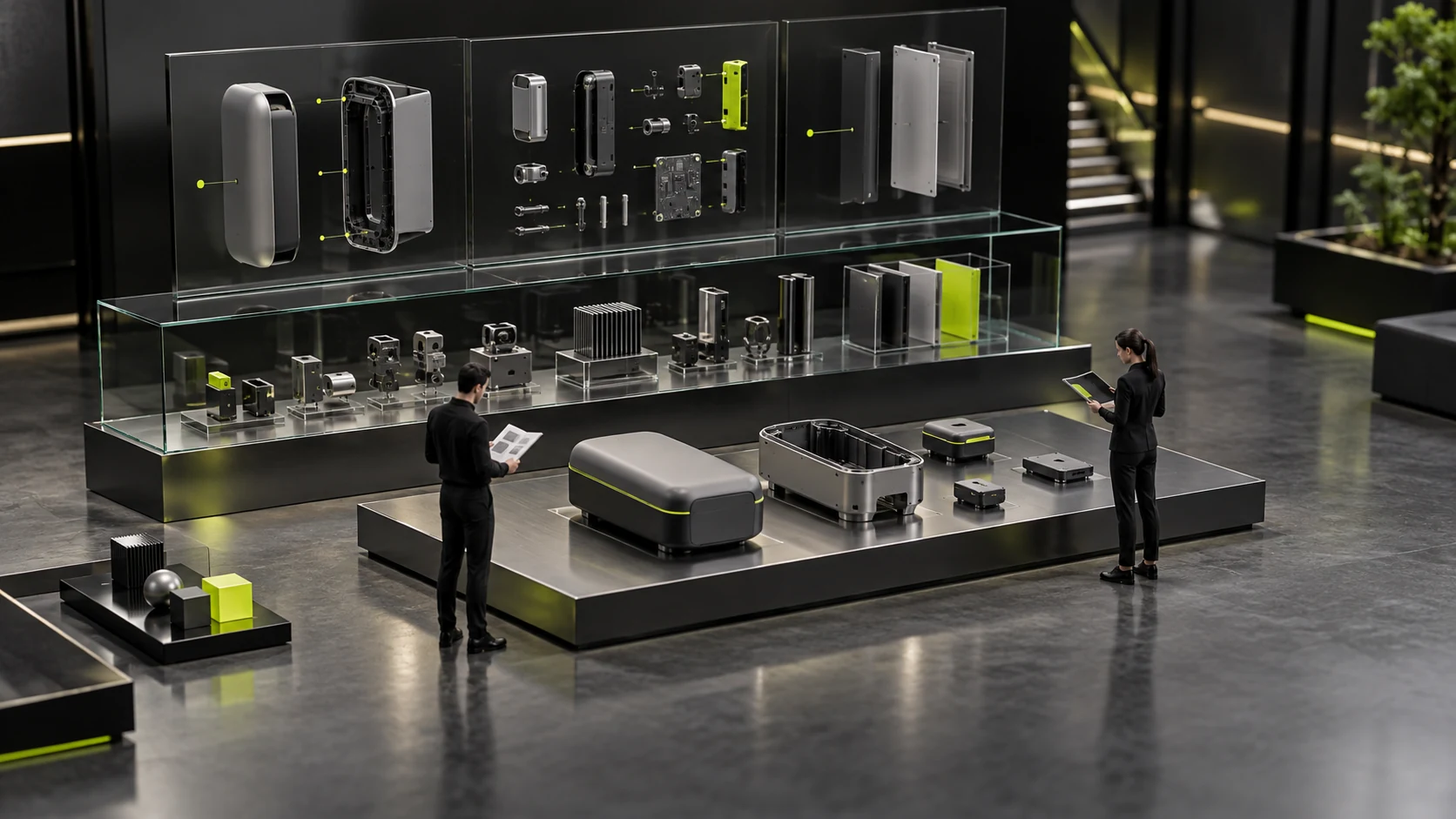
A technical team's concern about losing necessary conditions and a sales team's concern about lengthy product pages need not conflict. Website product information can be layered around readers' current judgments: first-time browsing needs identity and purpose, while deeper evaluation needs evidence and conditions. Keep core facts consistent while varying reading depth.
 Web Insights
When two product catalogs use different naming systems, how should customer identification relationships be retained before merging the website?
Mapping names when merging product catalogs starts with confirming what different terms refer to. Two catalogs may use different series names, model formats, or sales short names. Keeping only the tidier set when merging pages may prevent existing customers finding familiar products; treating every similar name as a synonym may combine different products incorrectly.
 Web Insights
When product materials are scattered across sales and engineering, what public inventory should be prepared before building a website?
A website's public product-information inventory gives the website team a starting point for understanding input materials. Sales holds common introductions, engineering has specification files, and marketing has another set of photographs. Scattered materials do not necessarily mean missing content. The real difficulty is knowing which file concerns the current product and which public task it can support.
 Web Insights
Can one product-page template hold every model? Identifying special material needs before procuring a website
Product-template coverage should be tested through material differences. Models with different-looking images may share an information structure, while two similar-looking products may need specification explanations and combination relationships respectively. Before website procurement, examine how materials will be understood and then decide how far templates can be shared. Visual similarity cannot replace business judgment.
 Web Insights
How can you try a website demo with your own product materials instead of judging appearance alone?
Testing product tasks on a website demo can turn “I think the page looks good” into a reviewable process. Use your product materials approved for demonstration to identify models, compare differences, find applicable files, and describe inquiry context. This does not ask suppliers to build the whole project free of charge; it checks whether the current proposal can express real material requirements.
 Web Insights
When Brand, Company, and Product Names Differ, How Can a Website Help Buyers Understand Their Relationships?
When brand, company, and product names differ, the website should first explain what each refers to, then identify the actual provider and contact entry point near products and services. A shared logo or group website does not automatically tell buyers who supplies products or handles support. It also does not prove that a qualification applies to every member.
 Web Insights
When there are many products but incomplete materials, how should the initial website catalog be selected?
The initial website product catalog should not be decided solely by “how many models to include first.” When products are numerous but materials incomplete, the real questions are which products already support an initial understanding, which lack necessary facts, and which purchasing task the current catalog will serve first. Complete counts with only names and decorative images on every page may still fail to produce a usable catalog.
 Web Insights
Which angles should industrial product photographs show? Preparing a business-focused shot list before building a website
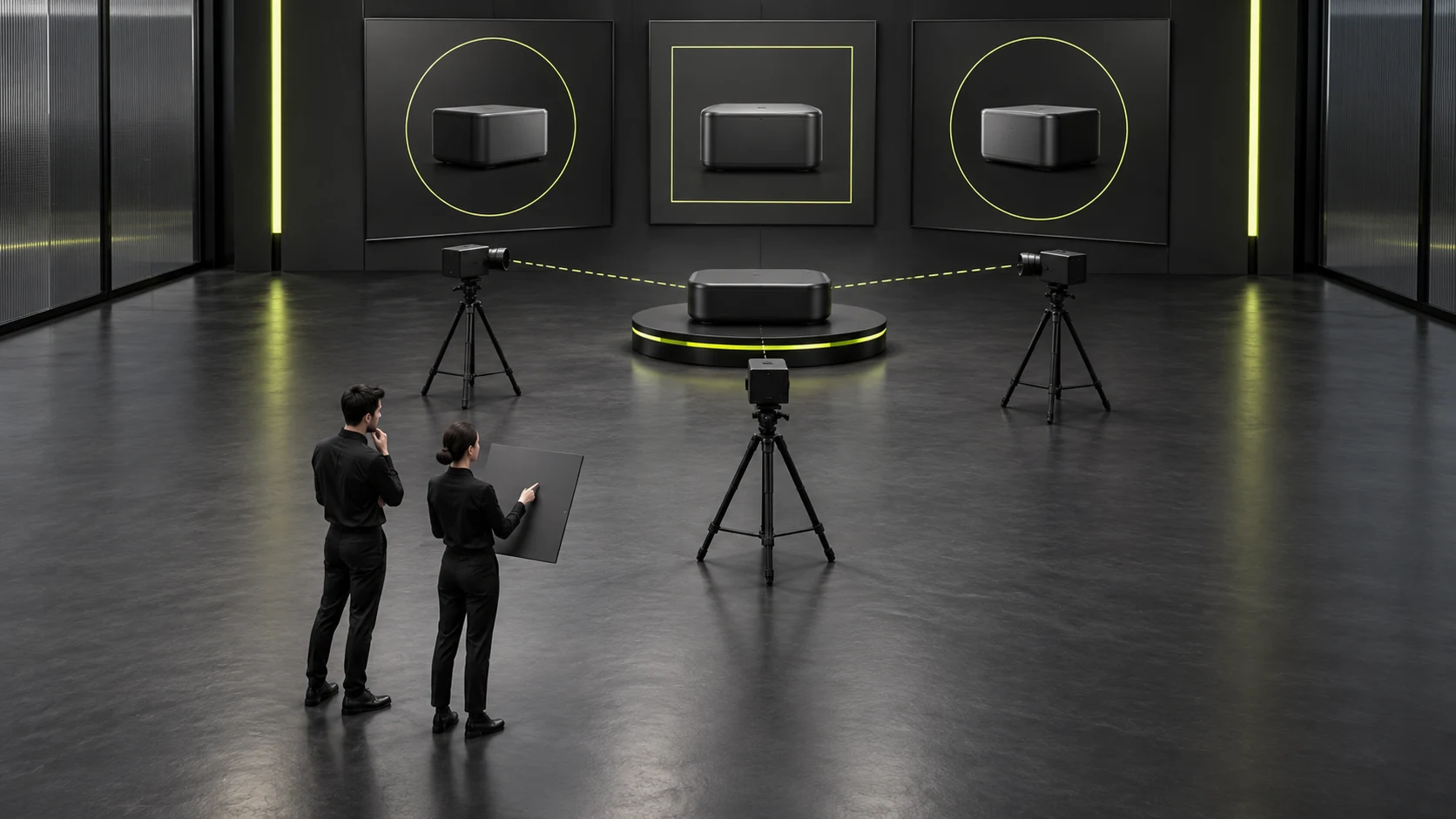
An industrial product shot list should start with the questions customers need to judge. What the complete product looks like, where key connections are located, and how it relates to actual use may require different images. Merely asking a photographer to “make it look premium” can produce several attractive front views without materials that help customers learn more.


