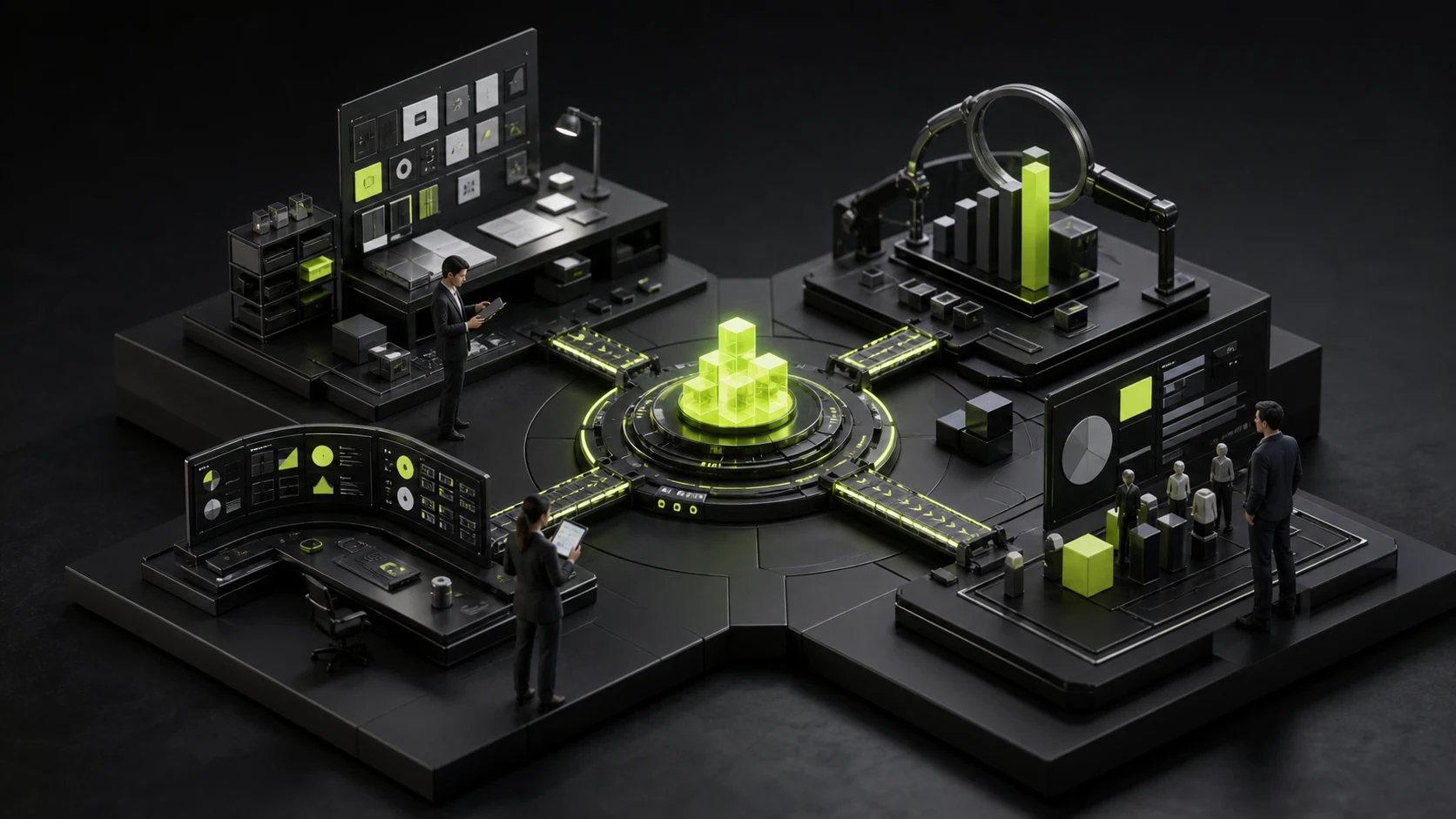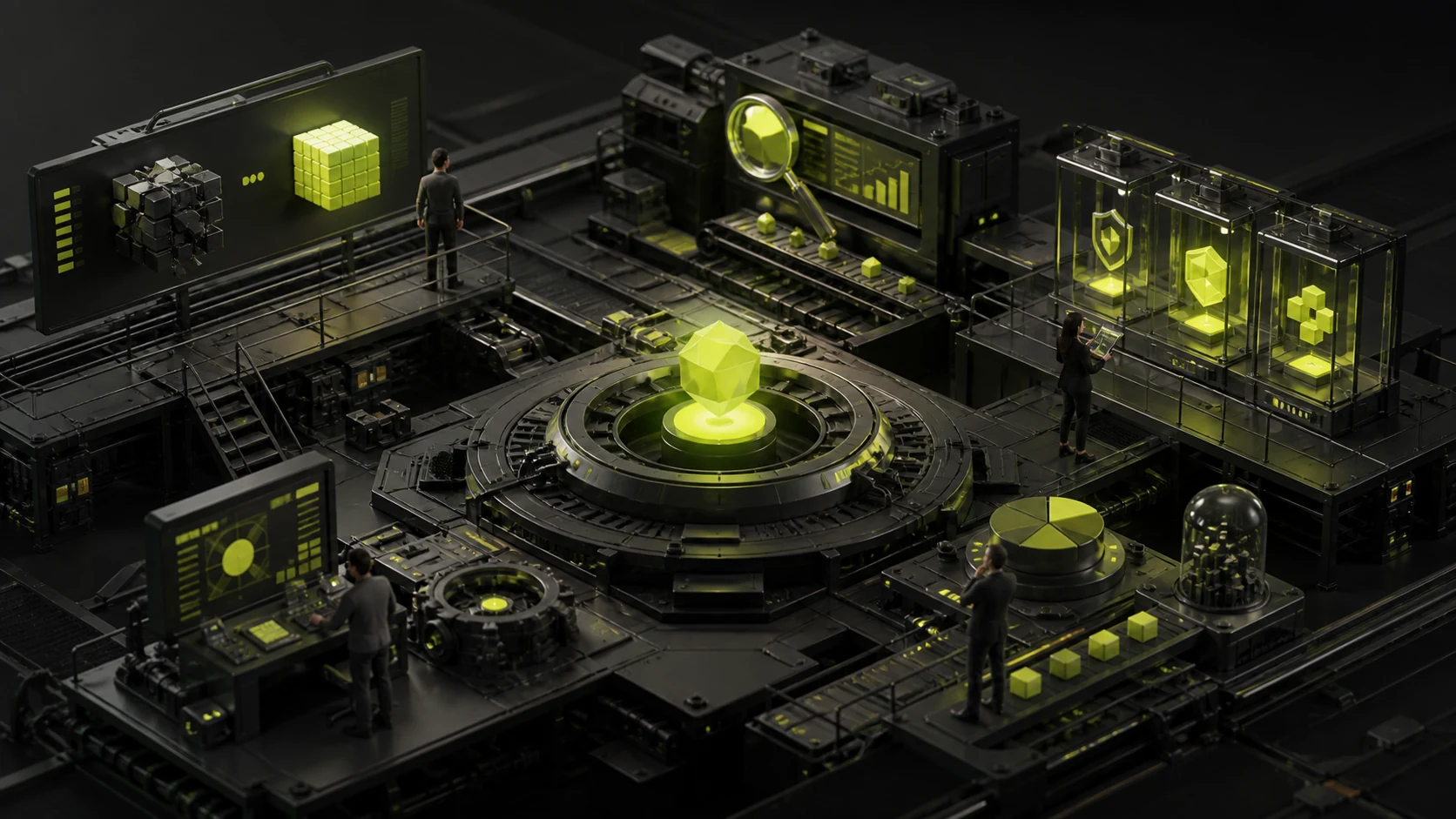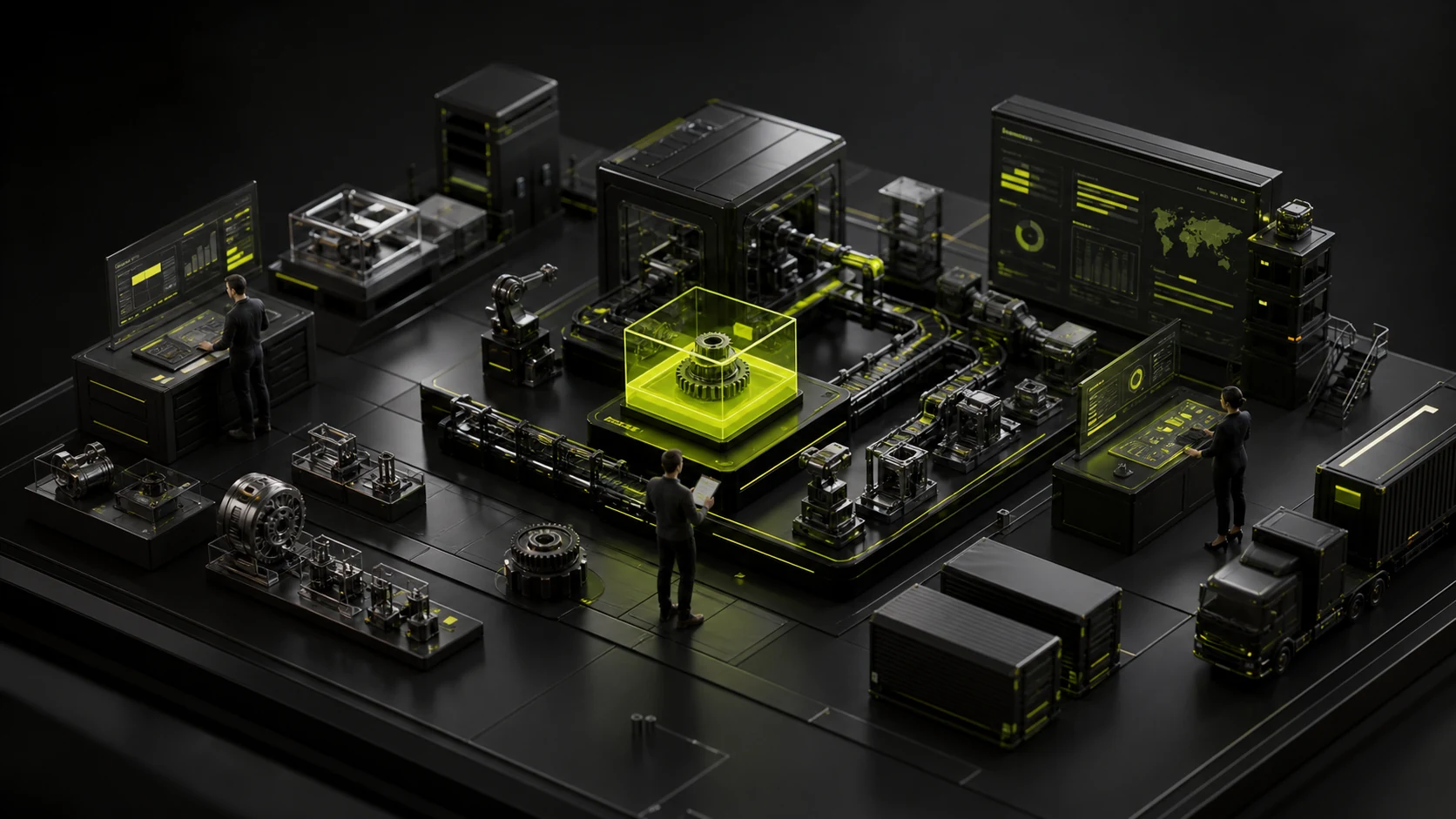
Many manufacturers have decades of experience, mature processes, and global customers, yet their websites and materials remain limited to product images, equipment lists, and “quality first.” Buyers cannot accurately perceive the real capability, leaving sales teams to explain it face to face.
An upgrade should retain industry heritage and credibility while improving naming, product architecture, visual systems, technical content, and international touchpoints.
01 Begin with Business Transformation and Market Goals
Is the company moving from OEM production to its own brand, expanding from individual products to system solutions, or entering premium overseas markets? Each goal requires a different scope.
Replacing the logo alone cannot change how customers understand the company's commercial role.

02 Organize Brand and Product Architecture
Clarify relationships among the group, business units, factories, series, and models. Avoid allowing every product line to create separate names and visuals.
The architecture should work consistently across sales, catalogs, websites, packaging, and after-sales service.
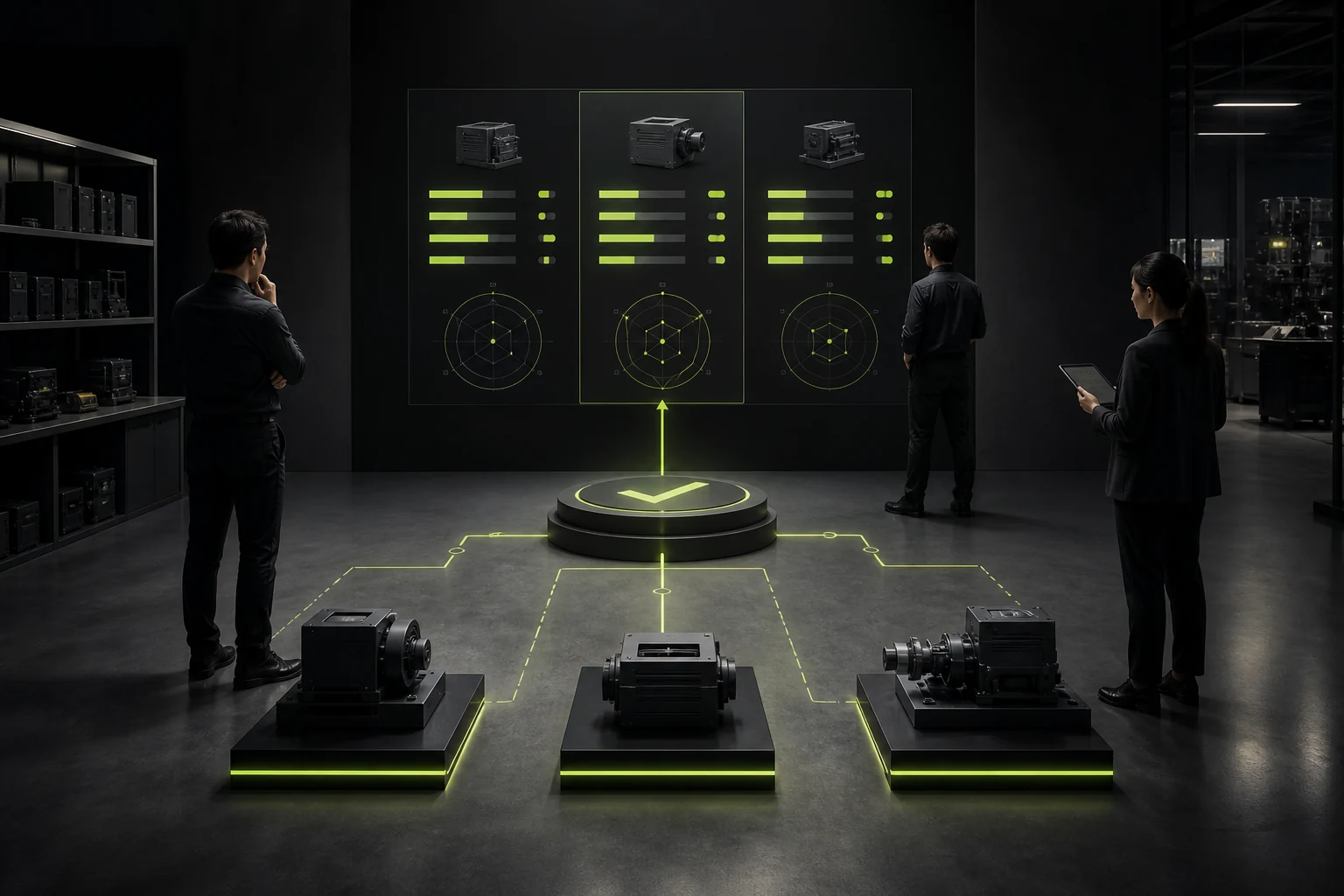
03 Distill Core Capabilities That Can Be Proven
Precision, delivery, customization, certifications, capacity, engineering service, and quality control can all differentiate the brand, but each needs supporting data, processes, and cases.
Do not present every advantage as equally important.
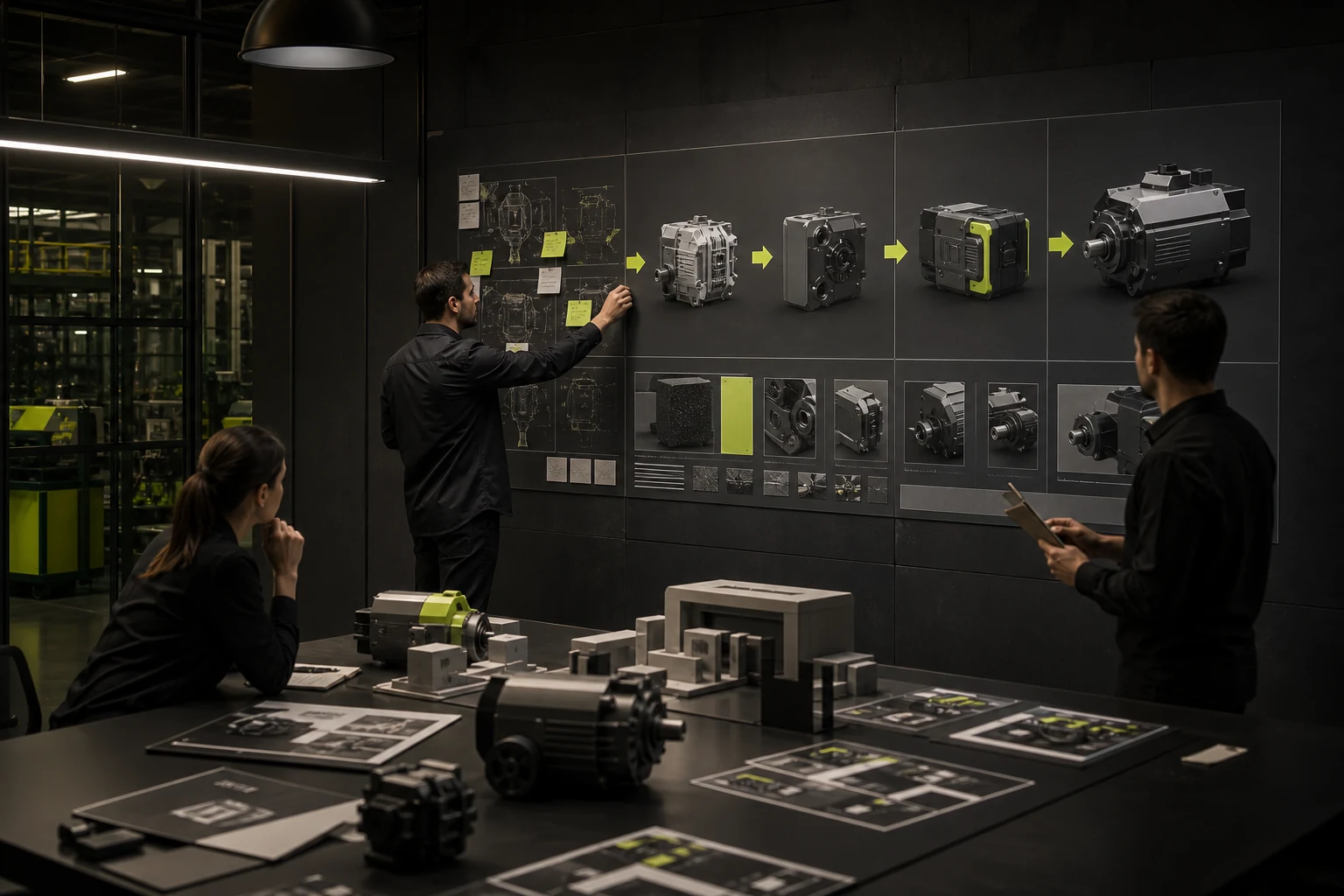
04 Preserve Industrial Credibility Without Looking Dated
Logos, typography, colors, and graphics can express precision, stability, scale, or innovation without blindly imitating a lightweight internet aesthetic.
When a historic mark has recognition value, refine it instead of replacing it entirely.
05 Build an International Content and Application System
Chinese and English naming, product materials, trade shows, packaging, websites, presentations, and distributor assets need alignment. Overseas communications should reflect local terminology and purchasing habits.
Multilingual support is part of system design, not a final translation step.
06 Use Governance to Make the Upgrade Real
Old packaging, equipment signs, websites, documents, and distributor assets cannot all change at once. Establish priorities and a transition period.
Provide templates, assets, and training so internal teams can maintain the system.
Scope of a Manufacturing Brand Upgrade
| Level | Primary Work | Best Fit |
|---|---|---|
| Communication improvement | Copy, photography, website, and materials | Strong capabilities but weak external communication |
| Visual upgrade | Logo, visual identity, templates, and applications | Inconsistent use or poor digital performance |
| Architecture upgrade | Group, product, series, and naming | Business expansion, acquisition, or multiple brands |
| Comprehensive upgrade | Strategy, identity, content, touchpoints, and governance | A change in market or commercial role |
Frequently Asked Questions
Must an established logo be completely replaced?
No. If it already has recognition, retain its core characteristics while improving structure and digital adaptability.
Should a manufacturer upgrade its website or visual identity first?
First define the brand and product architecture and visual principles, then plan the website in parallel to avoid rework.
Do more factory photographs always create more trust?
Show processes, quality, and scale with a purpose and explanatory copy. Repetitive large images provide limited value.
Will a brand upgrade affect existing customers?
Use a transition, communication, and retained identity assets to reduce disruption, and explain why the change is being made.
How should results be measured?
Track customer understanding, sales adoption, material consistency, overseas inquiries, and internal production efficiency.
| Service | View |
|---|---|
| Related service | View service details |
| Related reading | Read the article |
| Design work | View selected work |
| Project inquiry | Contact JVDS Design Studio |
 Link copied