
Clients worry that too few concepts mean no choice, while design teams worry that too many consume time on weak directions. The real issue is whether each concept represents a different strategy, has been tested in context, and includes an appropriate number of refinement rounds after selection.
The number should fit project depth, budget, and decision-making—not turn sketch volume into a claim of professionalism.
01 Distinguish Sketch Exploration from Formal Proposals
A designer may create dozens of internal sketches, but a formal presentation should show only screened directions that can be explained and implemented. Giving every sketch to the client transfers professional selection responsibility to them.
A proposed direction needs a complete wordmark, initial color system, and application testing.

02 Give Every Concept a Meaningful Difference
Difference should go beyond graphic A, B, or C. Each direction should emphasize a different brand quality, such as stability, openness, precision, or humanity. Three line variations of one symbol offer little decision value.
Directions should vary within the agreed project objectives, not become an unrelated collection of styles.
03 Use Fewer Concepts for Deeper Validation
Every direction needs testing at small sizes, in one color, on different backgrounds, in Chinese and English, and in critical applications. The more concepts presented, the shallower each test becomes.
When the budget is limited, prioritize quality over quantity.

04 Focus Client Feedback on Objectives and Problems
Do not stop at “I like the second one.” Explain which direction better fits customers, where an option fails, and which contexts create risk.
The designer can then refine one direction instead of arbitrarily combining several concepts.
05 Define Revision Rounds Separately from Concept Count
Three concepts do not mean unlimited changes to all three. Teams usually select one direction and refine it within the agreed rounds.
If every direction conflicts with approved requirements, examine whether the brief or proposal process went off track.
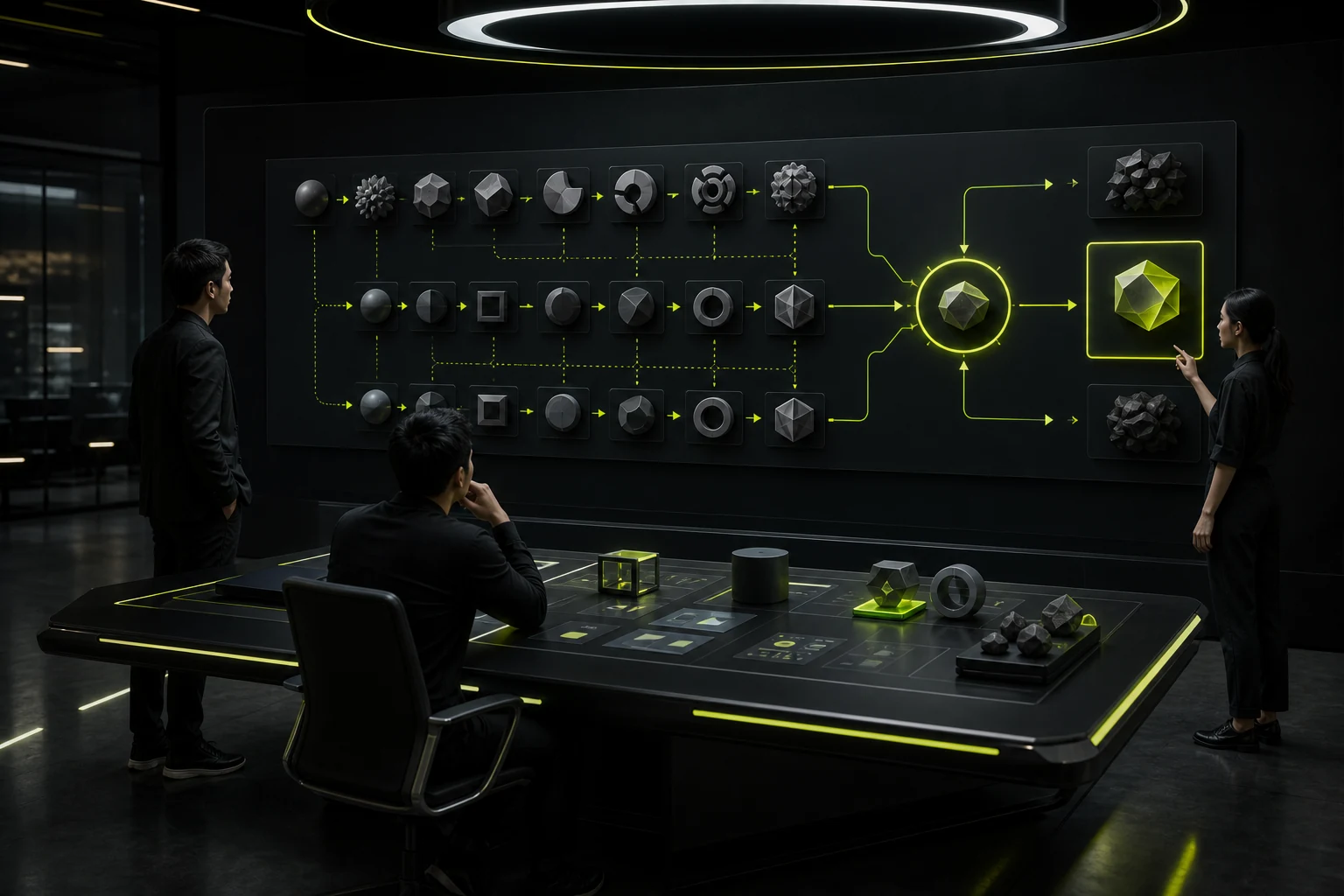
06 Special Projects May Need More or Fewer Directions
A fast startup project may validate one strong direction. A large rebrand may explore more concepts during strategy, but formal decisions should still converge.
Risk and the decision process should determine quantity.
Recommended Number of Concepts
| Project Situation | Formal Directions | Notes |
|---|---|---|
| Lightweight logo or clear direction | 1–2 | Focus on rapid validation and refinement |
| Standard corporate logo | 2–3 | Balance choice with deeper validation |
| Brand upgrade or multiple decision-makers | 2–3 primary directions | More internal exploration may occur earlier |
| Open design contest | Quantity does not equal quality | Beware of unpaid labor and copyright issues |
| Complete rejection of direction | Reevaluate the brief | Do not mechanically add new concepts |
Frequently Asked Questions
Is it reasonable to provide only one concept?
Yes, when the strategy is clear and the collaboration is transparent, but the team should explain its exploration and revision process.
Can we combine parts from three concepts?
Usually not. The logic and proportions of different concepts may be incompatible.
What if none of the concepts is satisfactory?
First determine whether they departed from approved requirements and whether feedback is clear, then decide between refinement and a new engagement.
Does the number of concepts affect price?
Yes. More directions require additional exploration, production, and presentation, which should be reflected in the quote.
Who owns the unselected concepts?
They usually remain the designer's property unless the contract states otherwise, and the client should not use them directly.
| Service | View |
|---|---|
| Related service | View service details |
| Design work | View selected work |
| Project inquiry | Contact JVDS Design Studio |
 Link copied