

When existing customers reorder, should the website ask them to explain their needs again or offer a route to identify the previous purchase?
Repeat purchases by existing customers should not start with an entirely unfamiliar inquiry form. They have already purchased a product and usually need to explain what they bought last time, whether they want to retain it and which conditions have changed. Helping identify the original item before collecting current requirements fits this task better than asking them to restate their entire business background.
Yet “existing customer” does not mean an old order can be copied directly. Models or contacts may have changed, as may use, quantity and delivery arrangements. A useful repeat-purchase route retains previous clues while giving current changes a clear place, preventing both parties from mistaking familiarity for confirmation.
First distinguish buying the original item again from reevaluating it
An unchanged repeat purchase generally continues buying the same identifiable product or configuration, with customers mainly concerned about current quantity and arrangements. Adjustments based on an original item may involve changing accessories, use conditions or specifications, or finding a replacement model. Both can reference past purchases but require different next-step judgments.
Inquiry guidance can directly invite “I want to retain the original model” or “I want changes based on the previous purchase.” Do not merely add an “existing customer” option and then show every first-inquiry question. That neither helps identify the item nor explains how adjustments are handled.
Confirm with sales and customer service which historical information can actually be found. If configurations can be found by order number, say the number helps. If searching requires a model and approximate purchase date, provide that guidance instead. Do not imply that entering a number automatically restores a complete order unless the capability actually exists and has been checked.
Customers unsure whether everything is identical should still be able to inquire. “I want to use the previous product, but I am unsure whether the current model is the same” is more accurate than forcing an “unchanged purchase” selection. Recipients then know to check identity and product relationships before discussing current supply conditions.
A company that previously bought several product types cannot be identified by its company name alone. Guide customers to specify the relevant purchase and leave at least one clue narrowing the search. Historical relationships help locate the item rather than eliminate every necessary check.

Offer alternative identification materials rather than requiring one number as the only route
Identification materials may include the original model, order or quotation number, equipment identifier, old document name and previous contact details. Actual company recordkeeping determines which are used. The website can ask for whichever one or several are available rather than assume customers always have every file.
Suppose a customer has only a photograph of the original product and no saved order. They can supply any known model shown in the photo, approximate purchase timing and their current purpose. The recipient confirms whether those clues can locate a record. A photograph does not automatically establish configuration, and similar appearance does not prove identical internal configuration.
Explain what each clue is for. “Original order number, to help locate the purchased item” is easier to answer than an isolated “order number.” Without a number, customers can provide a model or description rather than be blocked by a required-field error. If a specific task genuinely requires the number, a business owner should confirm and explain why.
If the former contact has left, allow the current representative to explain their company, original purchase background and current role. Do not require use of someone else’s personal email as identity proof. Detailed historical orders should be confirmed through existing company procedures. A public website should not directly expose internal materials retrievable through guessable numbers. See How to Design a Contact Us Page for related checks.
Guidance should also account for old names in customers’ materials. After renaming products or reorganizing catalogs, customers may still use former series names. If the company confirms the relationship to current items, retain the old name as a search clue. If not, request existing materials rather than guess a new model from a similar name.
Describe current changes separately so that “same as last time” does not conceal differences
Current requirements should at least allow customers to express whether the item is retained, the quantity needed now, preferred timing and changed conditions. The page need not force everything into precise numbers, but should explain which changes may affect judgment. Original materials can be referenced; new changes need their own place.
For example, suppose a customer originally bought accessories for indoor equipment and now plans to use them in another environment. Even when requesting “the same model,” the new use background should reach technical personnel for checking. The website can prompt for changed use or surroundings, rather than declare the original selection suitable solely because this is a repeat purchase.
Distinguish current quantity plans from longer-term estimates too. “We may need another batch later” does not mean the full quantity is currently confirmed. Guidance can invite customers to state what they need now and what remains under discussion, followed by commercial checking of available conditions. Do not turn forecasts directly into formal order requirements.
Desired arrival dates and agreed delivery dates also differ. Let customers state preferred arrangements and identify the need for later confirmation. A past purchase completed within a certain time does not justify promising the same arrangement now; products, quantities and actual resources may have changed.
Leave room for review even when customers say nothing has changed. They can state “retain the product and configuration; please contact us to confirm other conditions,” avoiding repeated entry of long parameters already retrievable. Recipients still check the current item, supply scope and new agreement. A familiar order does not automatically become a new one.
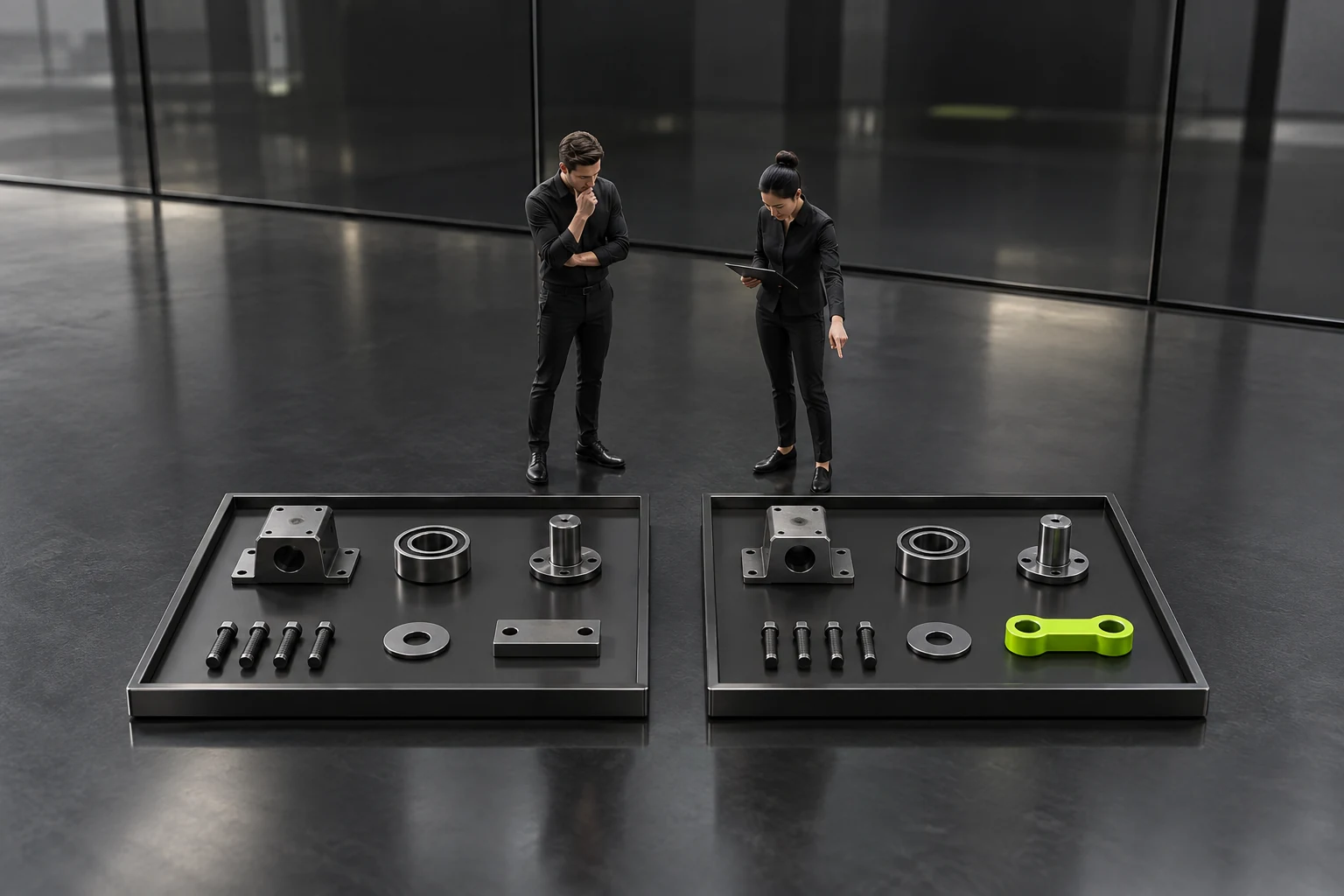
Continue communicating from available clues when old records cannot be found
Records may be missing for several reasons: the number came from a distributor, the purchased item uses an old name, the order used another company entity or historical materials are incomplete. The website should not call all such cases “not an existing customer.” The public route collects usable background, while appropriate personnel check actual identity and historical relationships.
The page can explain that insufficient original information leads first to product and purchase-background confirmation, followed by discussion of current needs. This describes a communication sequence rather than guaranteeing historical recovery. If the company cannot provide a certain lookup service, describe other available methods instead of creating a convenient-looking but ineffective route.
When old files are needed, recipients should identify the specific missing item and its purpose. Customers should not have to upload every contract, email and internal record to prove past purchases. If a product number can resolve the question, begin there. Additional materials require a clear reason.
Customers who purchased through distributors may lack a headquarters order number. Identify their actual purchasing channel, product and existing evidence before confirming the appropriate contact role. Headquarters acceptance, assisted handoff or referral to the original channel depends on actual company arrangements rather than a universal website promise.
A repeat-purchase route can exist without historical search functionality. It may simply provide guidance for existing customers, original purchase clues recipients can understand and current changes. Clarify what manual communication requires before deciding whether more complex lookup tools are needed.
Test two repeat-purchase tasks to check whether the website helps identification
Prepare two hypothetical tasks: a customer with an accurate original model who wants the same configuration again, and another with only an old document name who wants a changed use and additional purchases. Enter from the product and contact pages and check whether the original item, changes and current representative can be explained. Use constructed information rather than actual customers’ internal files.
During form completion, focus on whether customers can proceed without an order number, describe old models and make changes easy to spot. If company background and every technical specification must always be entered again, confirm whether these questions actually support current judgment or merely repeat first-inquiry defaults.
Give the two requirements to the actual receiving role and ask them to restate the original item, whether it is retained or adjusted and which matters remain unresolved. If all they see is “existing customer buying,” useful context has not been communicated. Another existing-customer button will not solve that issue.
Finally, confirm that guidance matches capabilities. A number does not imply automatic order lookup, and successful submission does not establish purchasing arrangements. Customers should know what is checked next. When business materials or contact roles change, review repeat-purchase guidance so old entry points do not continue leading to unhandled destinations.
Repeat-purchase guidance succeeds when customers can accurately explain current differences without starting from scratch, and recipients continue discussing the same original item while recognizing conditions still needing confirmation. Historical information and current needs each need a place to preserve the repeat-purchase context.

Frequently asked questions
Does every existing-customer route need a separate page?
No. With few such requirements, clear repeat-purchase guidance at the contact point may suffice. A separate page depends on whether identification materials and subsequent tasks differ significantly, rather than the number of buttons. See What Should a B2B Inquiry Form Collect? for related checks.
Can a new purchasing representative use the repeat-purchase route?
Yes, by explaining the original purchasing background and their current role. Access to and confirmation of detailed historical information follows actual company processes without requiring a predecessor’s personal contact details.
What if there is only a product photograph and no model?
Provide confirmed features, old materials or purchase background so relevant personnel can assist identification. Do not infer a model from appearance alone or promise online that a photo is sufficient for confirmation.
Can repeat purchases directly use the old price?
That requires confirmation against the current product, quantity and actual agreement. The website can explain that the original item will be considered, but should not automatically present an old quotation as a currently valid price.
Does a repeat-purchase route require login?
Not necessarily for submitting identification clues. Historical order viewing or exclusive materials should be assessed according to actual permissions and business arrangements. Do not make login a prerequisite for every existing-customer inquiry.
Need design or website development services?
JVDS Design Studio is a professional design studio focused on digital product experiences and brand identity. We work with businesses in China and overseas that want to strengthen their brand image, improve user experience and grow their business, providing clear, usable UI/UX design, high-quality website design and development, app and mini-program development, and cohesive, distinctive brand identity design.
Planning a corporate website, a multilingual site or a redesign? Tell us about your audience, existing website and the work you need.
 Link copied








