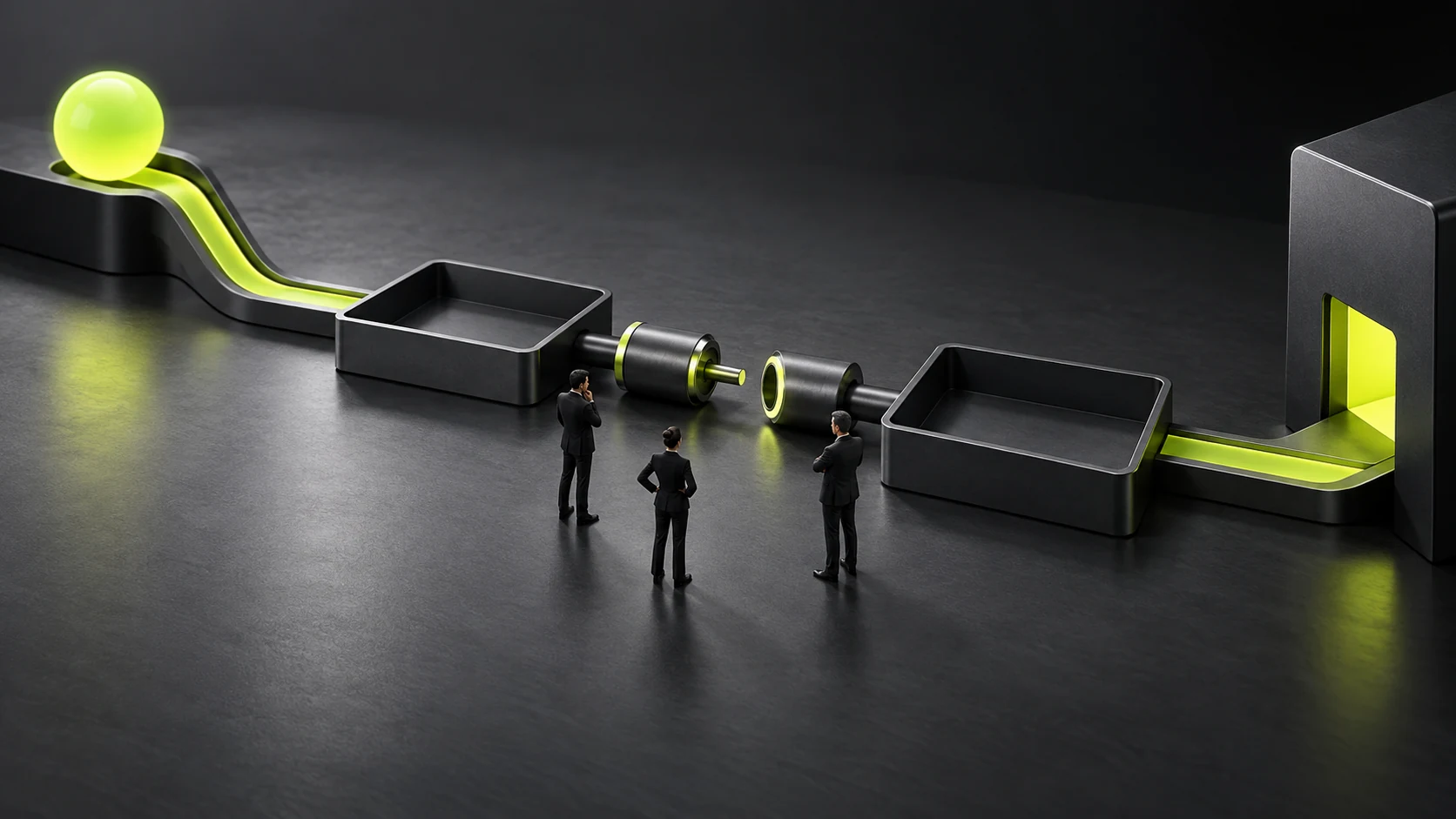
Before Brand Identity Design, How Do You Turn “Professional and Reliable” into Evidence Designers Can Assess?
Before brand identity design, translate professional and reliable into what target readers must judge, supporting company facts and touchpoints expressing those facts. Adjectives guide direction but cannot independently guide design. Establish evidence before choosing visuals and communication.
Work Backward from Reader Questions to Materials
Readers understand professionalism differently. Buyers may assess scope and conditions, users need clear support and channel partners need identity and public material usage. Confirm primary audiences rather than using one word for everyone.
Collect verified public materials such as business introductions, products, processes and valid contacts. More is not necessarily better; materials should answer reader questions. Unsupported capabilities and promises must not be added merely to enrich the brand.
Success means each main adjective has a specific question and usable facts. Designers can organize identity without guessing positioning from common industry colors or graphics.

Create a Requirement–Evidence–Expression List
For reliable, ask which clear conditions and consistent information readers need. For professional, specify field, business and limitations. Record evidence, appropriate content expression and design objects afterward.
If contact entries should feel reliable, evidence means confirmed receiving roles and real handling arrangements, expressed through clear contacts and next steps. A visual trust icon does not support facts on its own.
When discussing brand visuals and websites with JVDS Design Studio, provide this list to check relationships among logos, guidelines and content. Research, strategy and application design follow project scope.
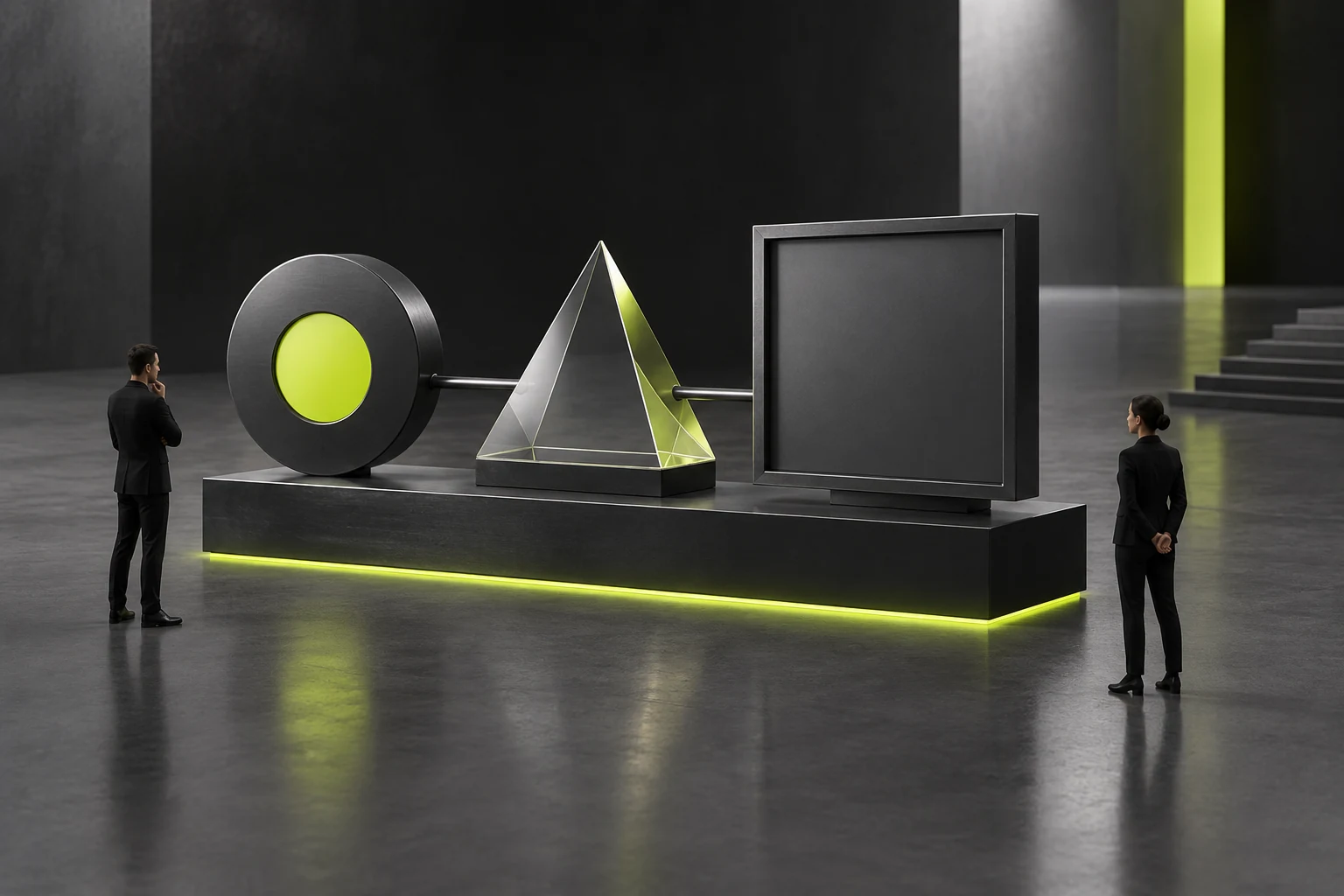
Explain Why Style References Fit
Identify whether references show desired hierarchy, image treatment, tone or identity structure. Copying another brand's look ignores different facts, audiences and conditions.
If a company presents the same professional materials on websites and business briefs, test long names, important conditions and actual images. A direction attractive on concept posters may not suit daily materials.
Compare clarity, recognition and applicability instead of claiming a visual language inherently represents quality. Reader tasks and actual materials form review evidence, with preferences clearly placed in discussion. See How to Translate Brand Positioning into Visual Design for related checks.
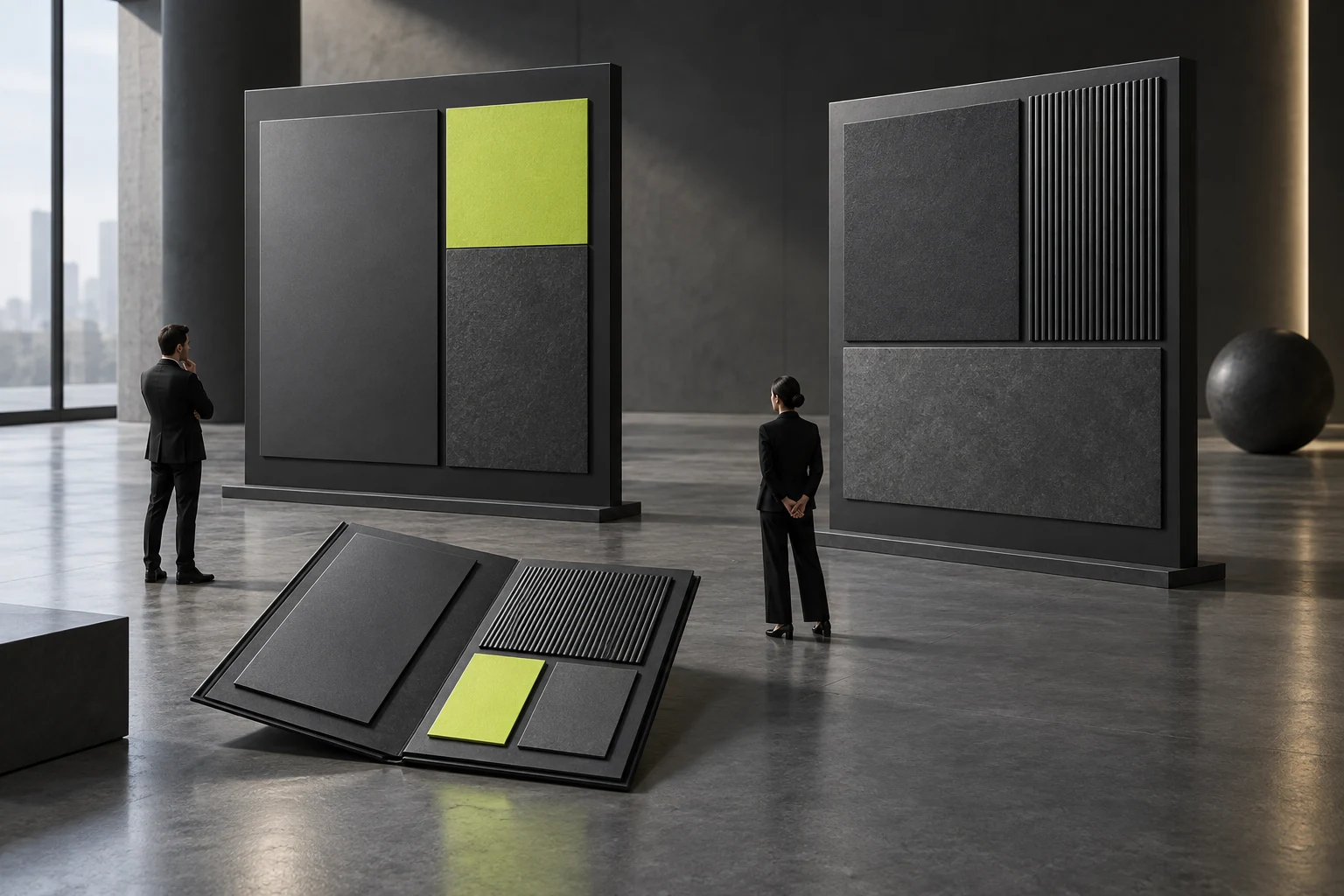
Test Abstract Requirements on Real Touchpoints
Put real headings and content into frequently used webpages, briefs or public introductions. Owners check identity, scope and priorities, then assess whether visual rules aid reading and recognition rather than squeeze important conditions.
Record specific unreadable information, confused objects or inconsistent versions. If feedback still repeats insufficiently professional, return to the list for judgment criteria rather than adding endless decoration.
Success means real touchpoints explain direction and the company knows materials and statements still needing approval. Identity then has stable application foundations without visual completion replacing business facts or positioning decisions.
Frequently Asked Questions
Can Visual Work Begin before Brand Positioning Is Organized?
Materials and applications can be discussed, with unconfirmed positioning identified. If audiences and scope still change, retain approval milestones for final direction instead of treating temporary assumptions as stable evidence. See How to Write a Brand Design Brief: Positioning, Audience, Competition, and Use-Case Template for related checks.
Do More Reference Images Make Understanding Easier?
Not necessarily. Explain requirements and conditions for each. A few explained samples are usually easier to assess than many unexplained pictures; references cannot replace company facts and reader questions.
Need design or website development services?
JVDS Design Studio is a professional design studio focused on digital product experiences and brand identity. We work with businesses in China and overseas that want to strengthen their brand image, improve user experience and grow their business, providing clear, usable UI/UX design, high-quality website design and development, app and mini-program development, and cohesive, distinctive brand identity design.
Updating your brand identity or website? Tell us where the design will be used and which materials you need.
 Link copied