We live in an internet-driven era, and digital technology has significantly changed our work and daily lives. Interface design is now a common role in many technology companies, while specializedinterface designcompanies recruit a wide range of design talent. People who have not yet entered the field may be interested in UI design but uncertain about its prospects and long-term development.
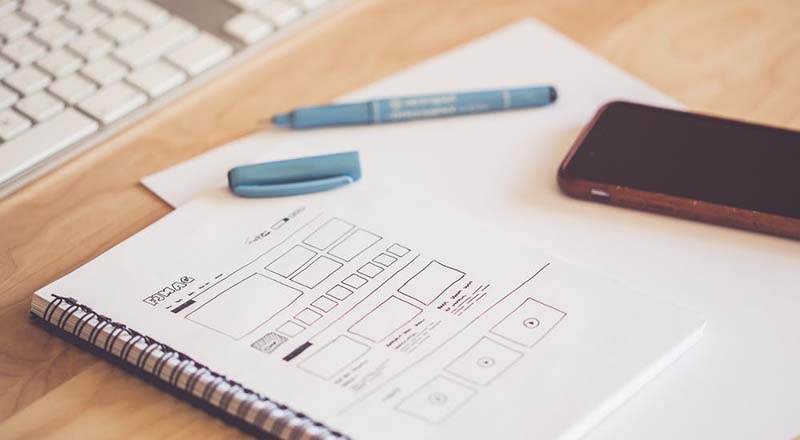
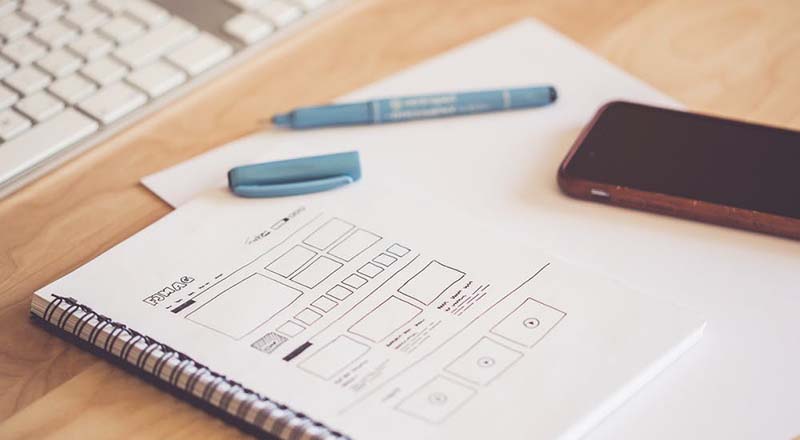
Many schools now offer UI design programs. User interface design covers software interaction between people and machines, operating logic, and the overall visual quality of the interface. As smartphones became widespread in China, interface design developed rapidly, creating strong demand for design roles at domestic UI companies. The source therefore describes the employment outlook as favorable. It argues that designers who develop deep expertise and gain experience over time become more valuable, and it states that average salaries in China's design industry can exceed RMB 10,000.
Demand for interface designers is especially strong in many first-tier cities, but the need is not primarily for beginners; it is for experienced interface designers with strong capabilities. Career prospects therefore depend first on the designer's own skill level and whether they occupy an entry-level or senior role. Anyone seeking long-term development in the field should work toward senior-level capabilities.
Interface design companies expect designers to master a broad set of skills. These may include common software such as PS, AI, AE, and DW, along with color guidelines, psychology, communication, user experience, layout, interaction logic, and creative thinking. The expectations placed on UI designers are therefore substantial.
Need design or website development services?
JVDS Design Studio is a professional design studio focused on digital product experiences and brand identity. We work with businesses in China and overseas that want to strengthen their brand image, improve user experience and grow their business, providing clear, usable UI/UX design, high-quality website design and development, app and mini-program development, and cohesive, distinctive brand identity design.
Working on a B2B system or an app? Share your current screens and key user tasks so we can discuss the design scope.
 Link copied