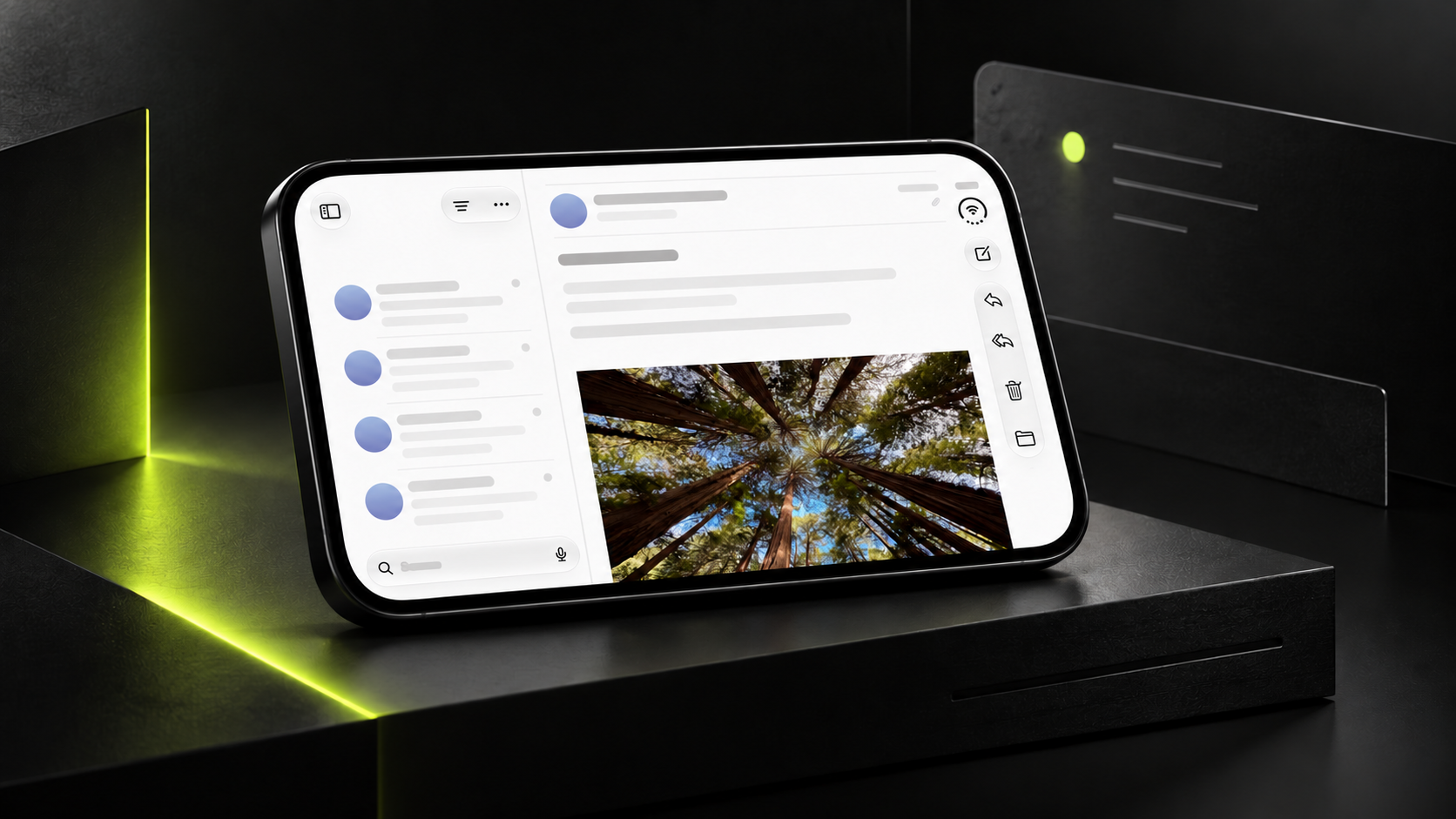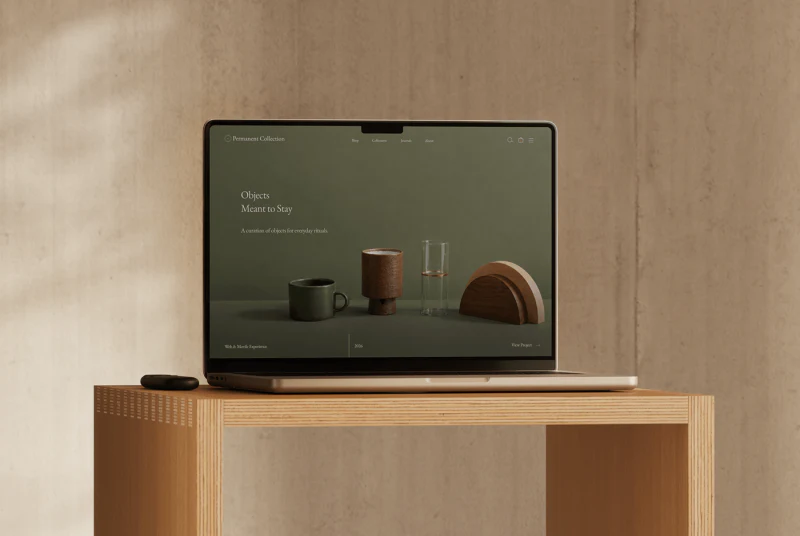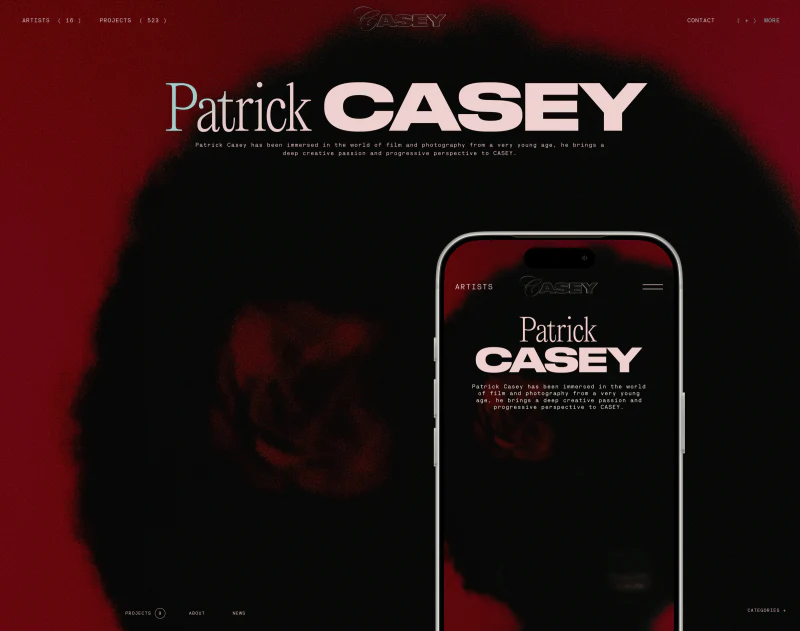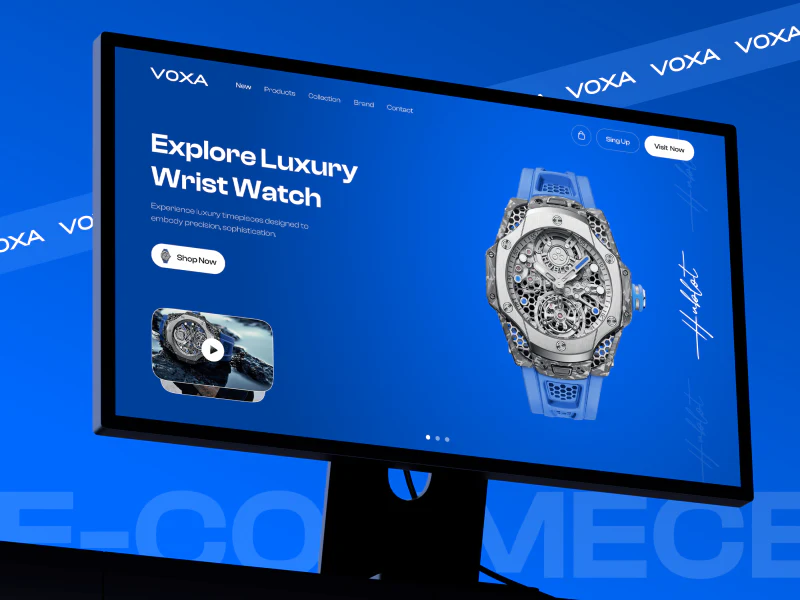
In today's fast-paced information age, new design trends emerge constantly, and the ability to anticipate them directly affects design quality. We believe UI trends should not only meet users' aesthetic expectations but also provide excellent usability. When combined thoughtfully, these trends can delight users and help drive product success.
Our 2018 predictions for UI and UE design focused mainly on mobile. In 2019, the leading design trend is context: everything exists in a context and is interconnected. So which design trends can be anticipated from these contextual relationships? Let us take a closer look.
1. Continued Use of Gradients and Overlapping Effects
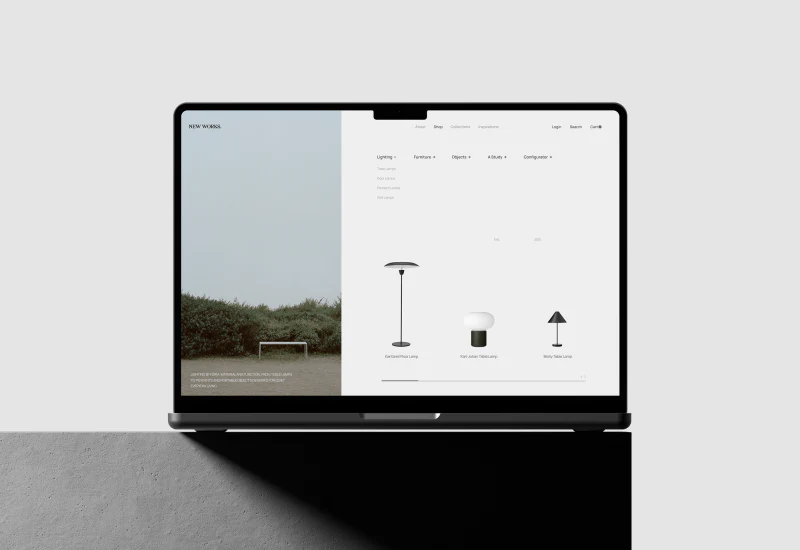
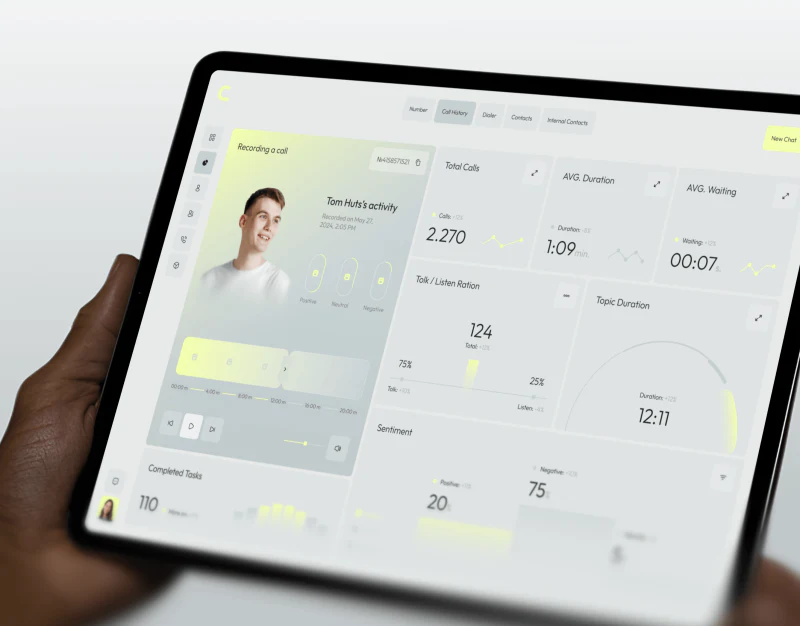
The world can feel too visually flat, so we need to add depth. The popularity of color gradients swept through 2018 and remained mainstream in 2019. Gradients are no longer used simply to attract attention; they now bring depth and dimension to interfaces. Layering typography, graphics, and color can make an interface more vivid while creating a stronger sense of space.
In its use of color, the Beijing design company58UI design team also continues to innovate and stay ahead of trends. Its work boldly combines gradient icons with white backgrounds, creating interfaces that feel clean, lively, and youthful and have earned strong user recognition.
2. From 2.5D to 3D Effects
It is fair to say that 2.5D effects gained popularity through Monument Valley, a globally successful game that gave UI designers fresh inspiration. The overlap of 3D effects and reality in an interface creates a surreal quality. With 3D visualization, designers can present technical processes and help users develop a deeper understanding.
Today's mobile industry has powerful new chips that can not only render 3D images but also support interaction with them inside the interface, making the approach especially suitable for small screens.
3. Microinteractions and Motion
Flat design can create a clean, intuitive aesthetic, but it may become monotonous over time. Microinteractions and animation are effective ways to add interest. Used appropriately, animated cues can create healthier interaction between users and the design. Motion is more expressive than light, position, or material: it can tell a story and create a more immersive experience by sustaining engagement and making every second meaningful.
4. Voice Will Lead Screen Interfaces
Many people are already familiar with voice assistants such as Siri, XiaoAi, and Xiaodu and may interact with them every day. These tools are becoming an essential part of everyday life. Design does not necessarily have to be visual: designers are creating experiences that require no touch, and voice UI realizes the concept of an interface without a visible UI. In 2019, as more designers move beyond surface-level visual design toward meaningful experience design, voice UI will develop further.
5. AR, VR, and Other Immersive Interface Designs
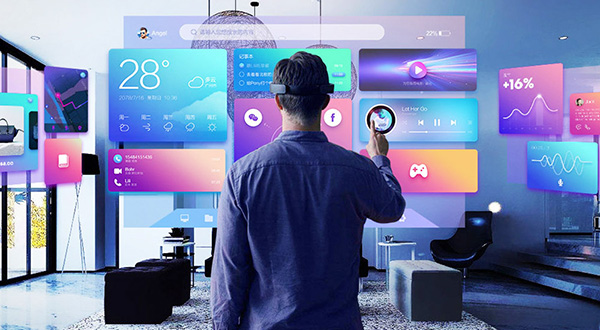
Although VR and AR technologies are still in their early stages, they will gradually affect our lives. VR can be used in healthcare to treat phobias or in education to make learning more interactive. The related interface and interaction design disciplines are therefore receiving increasing attention. Designers need to move beyond UI fixed to a screen and study interactions that occur in real-world environments.
In summary, UX/UI designers need creativity and innovation in their work. Although the pull of familiar, unchanging patterns is difficult to avoid, keeping pace with emerging trends and using them effectively is essential.
Need design or website development services?
JVDS Design Studio is a professional design studio focused on digital product experiences and brand identity. We work with businesses in China and overseas that want to strengthen their brand image, improve user experience and grow their business, providing clear, usable UI/UX design, high-quality website design and development, app and mini-program development, and cohesive, distinctive brand identity design.
Working on a B2B system or an app? Share your current screens and key user tasks so we can discuss the design scope.
 Link copied