Why Distinguish Client Projects, Demonstrations, and Concept Designs in a Large Website Portfolio?
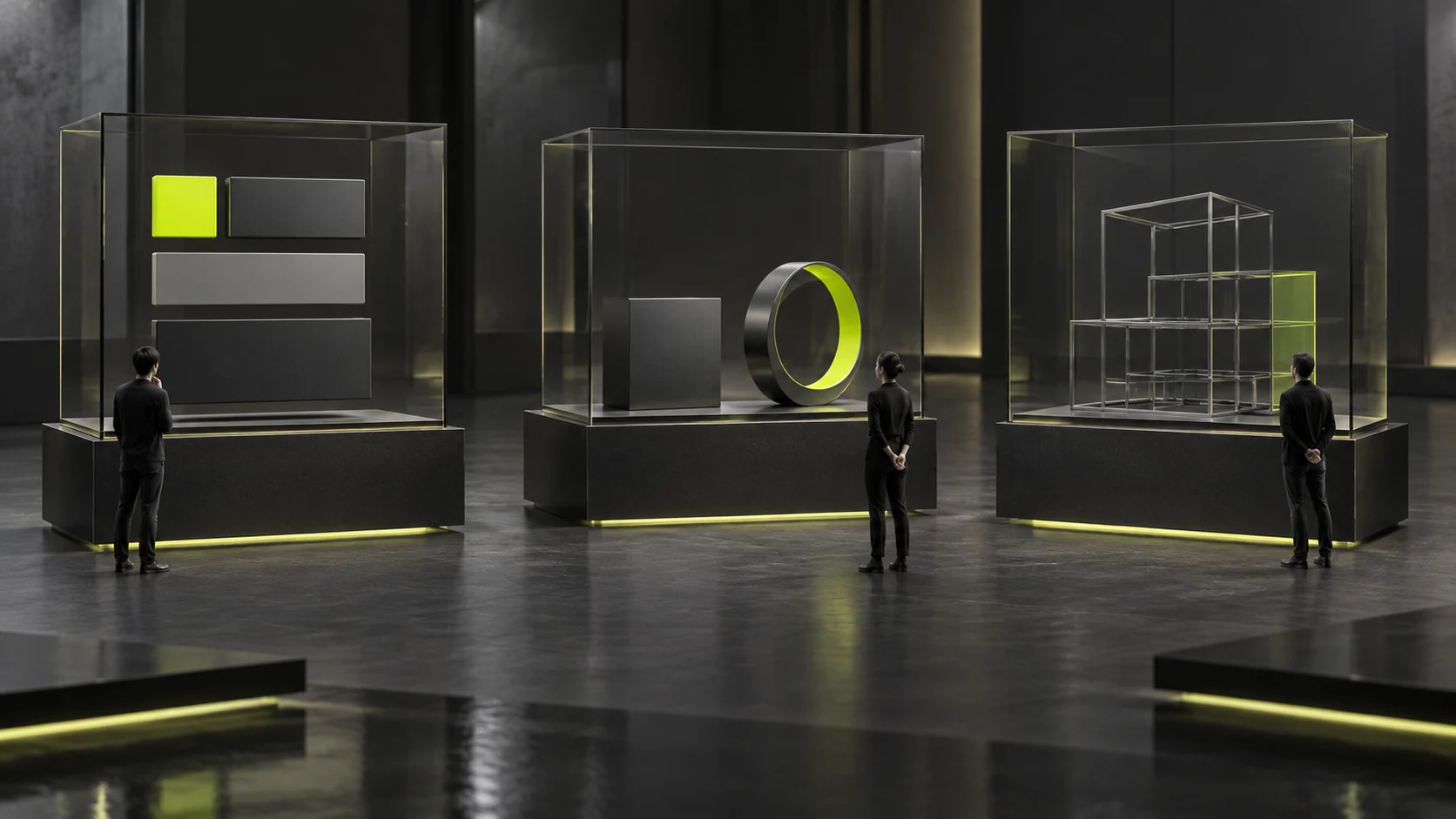
Even large website portfolios need to distinguish client projects, demonstrations, and concepts. Images establish visible visual content without automatically proving commissions, responsibilities, launch status, or business effects. Source explanations help readers judge appropriately and teams identify publishable facts versus those needing checks.
Identify the Work Before Writing Backgrounds
Client projects need commissioning and responsibility evidence; demonstrations can show templates, layouts, or capability; concepts explain hypothetical problems and exploration. All offer value but describe different objects rather than uniformly 'We helped clients upgrade.'
Pages made to demonstrate multilingual layouts can explain language length and navigation. Company names appearing in images do not prove those companies commissioned work, or justify invented starting contexts and internal communication.
For unclear sources, retain asset records and check supplier, purpose, and publication permission. Mark unknowns pending rather than infer facts from styles, folder names, or template descriptions.
Classify by real materials rather than upgrade attractive images to client work. Concepts later implemented need corresponding implementation and responsibility records before status changes, rather than inherited speculative narratives.
Separate Visible Design From Commissioning Facts
Visible content includes colors, layout, hierarchy, composition, and image forms, describable from images. Invisible facts—why work began, who requested it, designer scope, and client approval—need other records.
Displayed page counts do not equal formal delivery counts. Long images may be assembled previews and device mockups visual packaging, rather than proof of development or device coverage. Launch status needs URLs and check dates.
JVDS is confirmed to provide business website design and development, UI/UX, and brand visual services. Public assets support observable design discussion. Business direction does not replace commission evidence, and templates should not become real client experience.
Editors can record two internal columns: directly observable content and facts requiring source proof. Match public statements to these so design analysis does not casually introduce unconfirmed business backgrounds.
Demonstrations and Concepts Need Hypothetical Scope
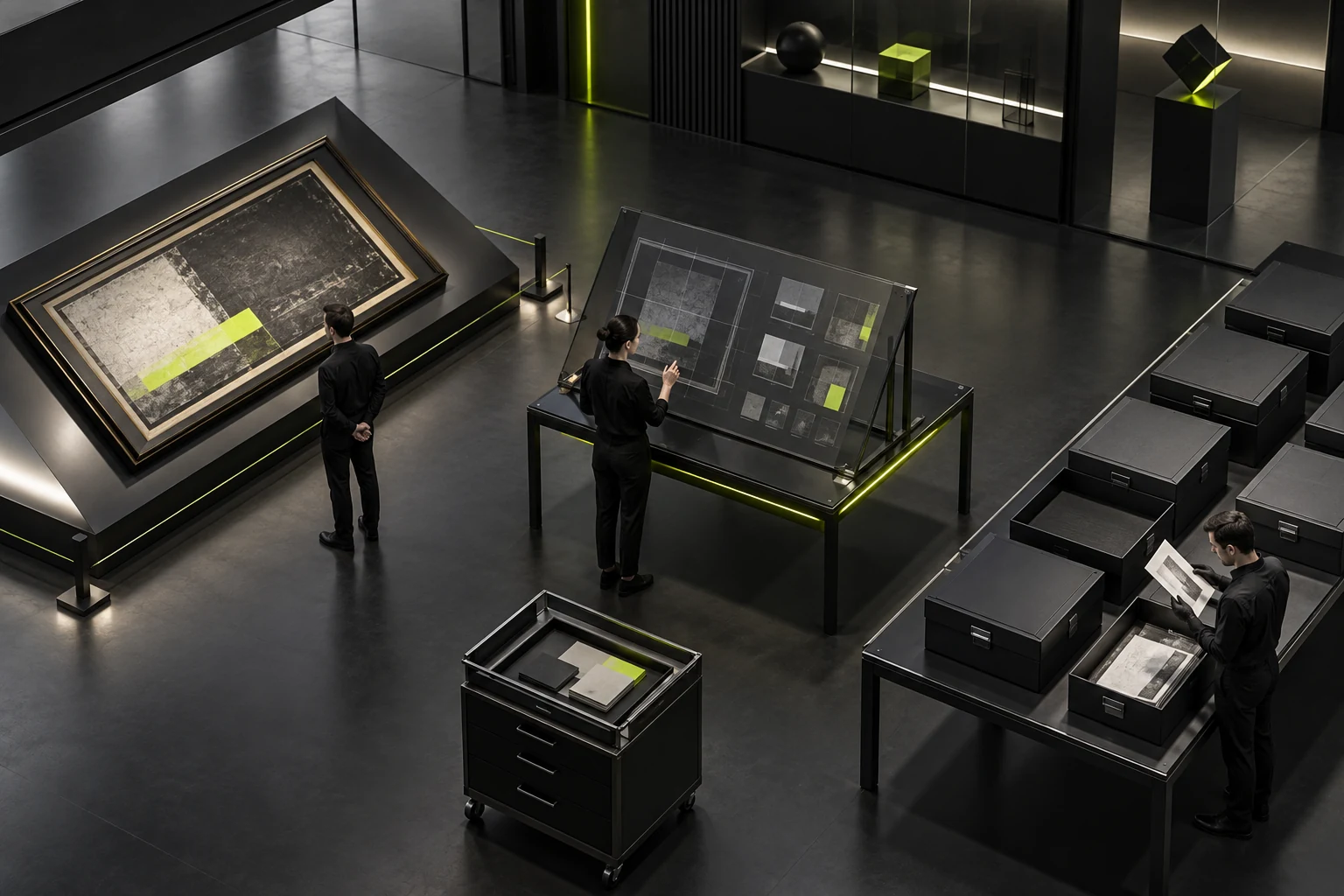
Demonstrations can show components, interactions, or asset style, identifying operable versus static parts. Static visuals need not become complete systems, and working previews are not automatically formal client websites.
Concepts first define hypothetical audiences and problems, then solutions. For imagined businesses comparing services, discuss grouping and entry points. 'The client reported low conversions' requires actual feedback.
Place explanations where readers readily see them, in titles, summaries, or introductions as appropriate. Do not narrate a real commission throughout and reveal 'Concept' only in tiny final text.
Specify actual limitations: unimplemented flows, demonstration data, and supporting assets. Pages need not become production logs, but should prevent illustrations being mistaken for verified capability or results.
Real Projects Still Need Responsibility Boundaries
Commissions do not establish complete scope. Interface-only involvement should not become independently completed strategy, research, development, and operations. Do not attribute collaborators' outcomes entirely to one person or studio.
Delivery and public-display scopes may differ. Projects may permit some pages but prohibit internal data. Asset owners should select approved materials rather than assume all accessible files may be public.
When names cannot be public, use accurate limited backgrounds while retaining responsibility and delivery boundaries. Anonymity does not justify invented industries, scale, dates, or vague praise to create authenticity.
Live projects can change later. Old screenshots can show corresponding versions with appropriate status, avoiding past designs presented as today's official pages. Obtain new evidence for current operation checks.
What to Show Without Outcome Data
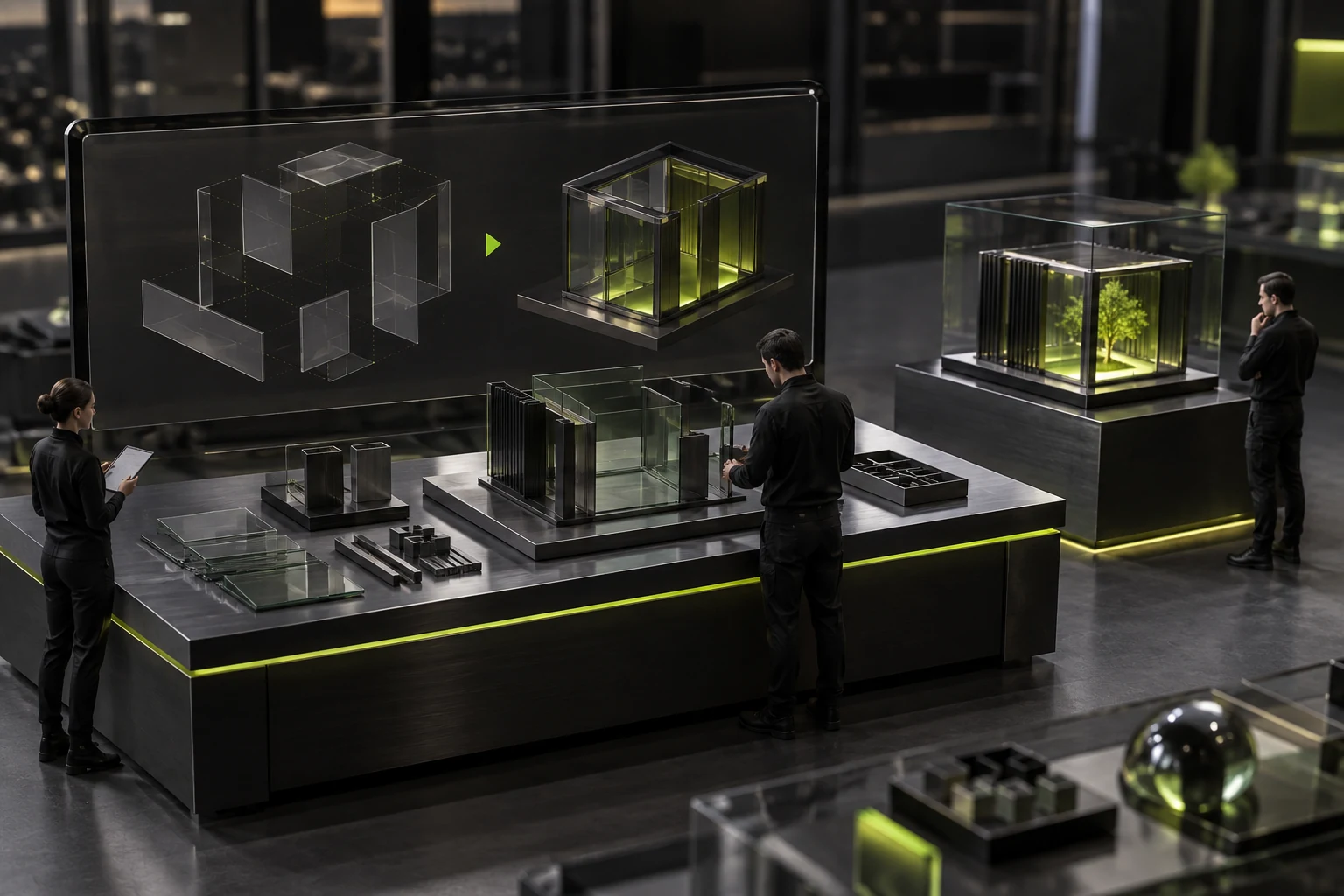
Show confirmed delivery changes: pages or components completed, content structures established, and operations passing acceptance. Match records rather than replace 'Experience upgrade' with another generic result.
With design assets only, identify analysis and display scope. Without launch verification, avoid 'In use'; without business data, avoid inquiry, revenue, or ranking gains; without real reviews, avoid invented 'Highly praised by clients.'
Counts need definitions too. Multilingual counterpart pages differ from independent work, and screenshots differ from projects. Readers need specific completed work rather than undefined totals.
For administration improvements, execution results and states can verify operations. That does not automatically establish time saved or business growth. Distinct result categories allow concrete restrained wording.
Match Image Sources to Their Uses
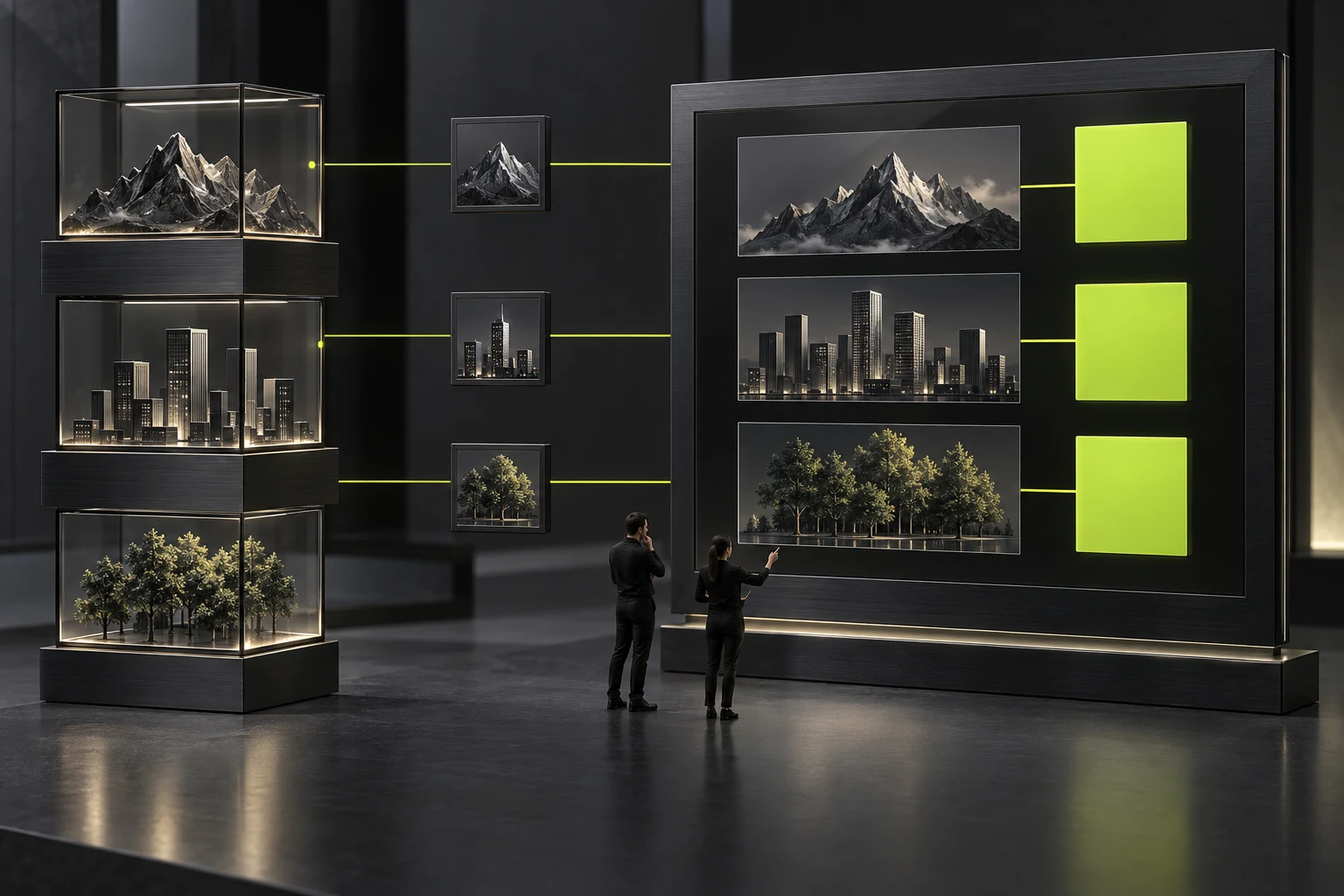
Real screenshots, device mockups, conceptual illustrations, and generated images serve different roles. Screenshots support interface facts, mockups show presentation, and concepts explain relationships. Concepts should not impersonate client locations or operation records.
For important images, register originals, supplier, purpose, publication scope, and corresponding text. Relevant owners should verify rights or licenses from actual materials; downloading files does not establish unlimited use.
Alternative descriptions should be accurate, describing layouts, objects, and themes without unsupported results. Business figures visible in templates should not become real client achievements in alt text.
After image updates, recheck bodies and categories. Real pages may need version details; illustrations should not retain 'Launch screenshot' wording. Maintain assets and narratives together.
Source categories need no complex terminology. 'Concept exploration,' 'Demonstration template,' or 'Confirmed project,' with a design-scope sentence, can explain how to view work without exposing file organization. Establish key facts before image analysis.
Repackaging with device frames or backgrounds should retain actual design scope. Better presentation does not turn static assets into launched systems. Describe display effects without adding development or usage outcomes.
When relaying feedback, retain original context and confirmation scope. Unapproved or unverifiable remarks should not become public reviews, and internal discussion should not become client recommendations. Even real reviews relate to specific projects rather than every service.
Works lacking sources can stay in internal inventories instead of immediate publication for quantity. Confirm assets, responsibilities, and permission first. Demonstration treatment requires rewritten accurate explanations rather than commission-implying narratives.
Avoid counting repeated work too. Pages, versions, and languages of one project can provide different displays without becoming independent client partnerships. Define project counts separately rather than use image totals.
Check Sources Before Publication
Review category, background, responsibility, status, images, and results. Every important fact should map to existing materials. Remove or mark uncertainty pending instead of requiring writers to infer missing facts. See How should a UI design case be written? What is truly convincing is not the number of pages for related checks.
Ask someone uninvolved to read the opening and classify it as client work, demonstration, or concept. If understanding differs from reality, change explanation placement and wording. Classification should be clear to readers rather than only administration fields.
Handover source records and update owners. Apply the same checks to additions without lowering standards for large portfolios. Clear categories, accurate visual analysis, and supported facts and results mark completion.
Frequently Asked Questions
Do Concepts Reduce Professionalism?
Not necessarily. Clear assumptions and reasoning demonstrate capability. Disguising concepts as commissions prevents appropriate evaluation.
Does a Client Logo in an Image Prove a Partnership?
No. Commissioning, responsibility, and public-scope records are needed. Names may come from demonstration assets or other sources.
Can Real Projects Be Published Without Growth Data?
Yes, with confirmed responsibilities, processes, and deliverables, without invented business effects. Verifiable content supports judgments without growth percentages in every case. See How to Design Corporate Website Case Studies That Sell for related checks.
Can Generated Images Be Project Screenshots?
They cannot impersonate real screenshots. Use them for clearly identified concepts or supporting explanations; actual interface evidence needs verified real materials.
Do Confirmed Sources Still Need Maintenance?
Yes. Status, publication scope, images, and pages can change. Recheck narratives during updates to prevent mismatched old explanations and new assets.
 Link copied