

Which Materials Can Processing Equipment Handle? How Can a Website Go Beyond a List of Material Names?
A row of material names on a product page does not establish whether a customer’s incoming material suits the equipment. Material processing suitability explanations should connect material identity, actual state, required task and confirmed scope so readers know what public information answers and which documents application engineers still need.
Begin with one company-confirmed object and ask why it is listed as suitable. Answers require real documents, not sales habits or similar images. Without test and product records, do not invent processing quality, speed or general material ranges, or treat demonstration samples as category-wide guarantees.
Identify actual objects beyond material names
The same broad name may appear in different customers’ documents without identifying identical objects. The company should specify identity information needed for judgment and explain its preparation on the page. Content owners must not merge materials by everyday terms or assume a category name settles every input condition.
Material states also need task context. Engineers determine whether object form, prior processing or other confirmed characteristics affect assessment. Request corresponding information without prescribing unchecked performance rules or assuming similar appearance to a known sample establishes suitability.
Suppose a demonstration uses a confirmed sample while customers provide only a related category name. Explain that public results concern the demonstrated object and request identity and task information. Matching categories do not mean “all materials in this category can be processed.” This hypothesis explains information differences, not actual equipment capability.
Use names from customers’ existing documents where possible and have owners confirm correspondence. If customers cannot identify a term, allow existing descriptions or contacts first instead of guessed material states to complete forms. Unknown information must remain unknown in assessment.
Internal records can retain both public names and confirmed objects. Otherwise short searchable names on the page may leave recipients unable to identify the scope. Short names support lookup; detailed identities support judgment. Connect them rather than replacing every material fact with one keyword.
Ask what needs doing before organizing suitability information
Material suitability requires a work task. Explain confirmed task types alongside their objects and documents. Do not combine one material’s results across tasks into “fully suitable” and imply every work requirement is supported.
Customers may want merely to complete a process or require particular outputs. Prompt them to state their concern and let technical staff identify further checks. Editors must not insert expectations as established product indicators or infer all processing results from a finished-product photo.
For equipment supporting several confirmed tasks, explain object scope by task. Presentation may prioritize finding relevant directions but cannot omit task-specific conditions. A unified material-name list often hides each material’s relationship to its task.
Inputs and result documents should correspond too. When showing a sample, explain what judgment it supports. Illustrations must not be presented as actual results. Real approved results retain their objects and scope; do not combine strengths achieved under different conditions into one comprehensive effect.
For tasks needing further confirmation, directly identify inputs and questions. Ask for object documents and target descriptions, then assess through actual processes. Public content starts accurate discussion rather than letting customers independently conclude that a materials list establishes every requirement is met.

Distinguish verified results, confirmed directions and pending assessments
Where verification documents exist, check their actual objects, configurations and tasks before choosing publishable conclusions. One successful sample does not automatically represent an entire material category. Company owners confirm extensions; content staff cannot infer them to simplify lists.
“A related application direction exists” differs from “the customer’s conditions are verified.” Publish confirmed task directions while identifying inputs still needing checks. One “supported” icon must not represent every state and make preliminary relevance appear completed suitability assessment.
Pending assessment means information sufficient for the conclusion is not yet available. Identify the gap, such as unclear material identity, unsettled task requirements or absent coverage. Do not call it “unsupported,” or automatically mark it “suitable” because no rejection record exists.
Verification evidence should be traceable internally; summaries or documents may be provided through company-approved methods externally. Every original record need not be public, but referenced objects and result types must stay accurate. If evidence is insufficient, narrow wording first rather than substitute more equipment photos.
Update lists as facts change. Confirm scope before adding a category. Before removal, check whether documents are merely unorganized rather than capabilities changed. Status should reflect actual decisions instead of changing applicability simply to make the website look updated.
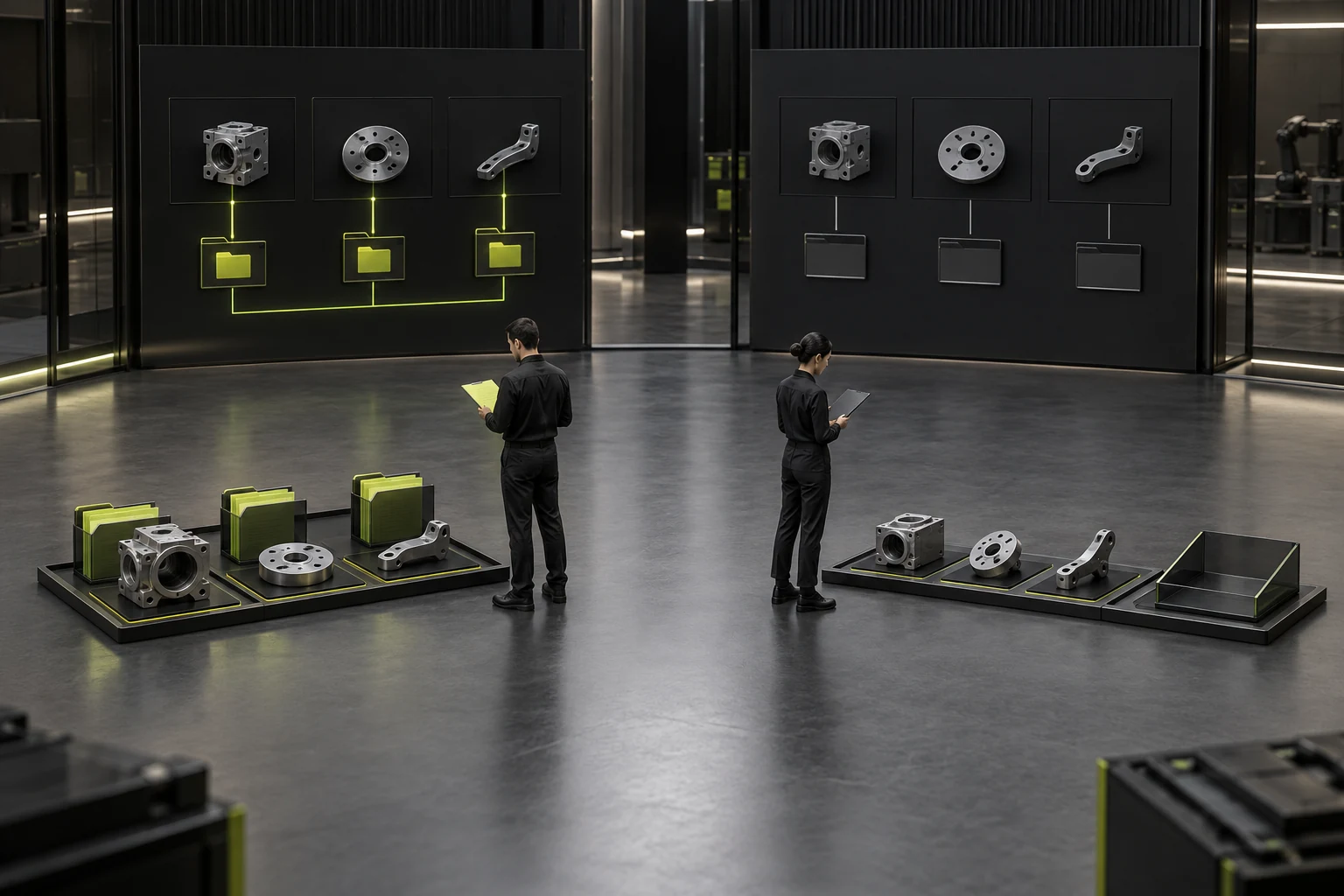
Explain the purpose of sample and information preparation
If sample assessment is actually required, explain its purpose and confirmed requirements. Application engineers or owners supply form, quantity, handling and handover arrangements. Articles must not apply one rule to every material or invent free testing and fixed completion times.
Without samples, customers may first provide approved existing documents for identification. Explain which stage they support. Photos must not be guaranteed to replace every sample assessment, nor should absence of physical samples appear to prevent all questions. Routes should follow actual intake methods.
Request information by judgment question: object documents identify inputs, task descriptions define the process and result requirements support later evaluation. Knowing the purpose helps customers prepare. “Send some material for a trial” does not align the task to verify.
Documents and samples should match the same object. If a sent sample is explained by unrelated old documents, recipients need further checks. Prompt customers to retain identities and explanations. This organizational requirement does not replace sample-receiving or engineering procedures; follow confirmed company arrangements.
Retain scope after assessment too. Actual processes may explain answered questions and pending matters. Do not turn one sample result into guarantees for every batch or site. Product-page reuse still requires owners to confirm applicable scope. See How to Design a Manufacturing Product Catalog for related checks.
Application engineers check facts; editors check wording
Before publication, check each material name, task, status and supporting evidence. Application engineers own actual conclusions, documentation staff organize objects and records, and editors check accurate presentation. These roles prevent summaries silently expanding professional judgments without asking editors to conduct engineering analysis.
For acceptance, enter from the reader’s task instead of internal material classifications. Covered objects should find corresponding conditions; similar unconfirmed objects should reveal differences and next steps. Use company-provided samples or explicitly hypothetical internal exercises rather than adding verification records through constructed scenarios.
Check that downloads and pages use the same meanings. If “suitable materials” on the page links to historical demonstration objects only, revise naming and scope. A file opening is only part of reference checks; content objects and conclusion types must match too.
Separately shared sample photos need suitable explanations. Resembling a customer’s desired result does not mean the equipment has assessed their conditions. Sharing content should identify object, task and status instead of becoming an attractive finished product without scope outside the original page.
Material processing suitability explanations are complete when identities match tasks, confirmed scope differs from unknown status, preparation has purposes and public conclusions trace to evidence. The website supports specific questions rather than using material keywords to imply completed selection. See How to design a B2B product detail page? The more parameters there are, the more professional they are. Instead, they should help purchasers complete comparisons and make decisions more quickly for related checks.

Frequently Asked Questions
Can demonstration results apply when material category names match?
First check specific objects, states, tasks and configurations. Category names support lookup but do not establish identical inputs and demonstration conditions.
Does a longer application-material list mean fuller capability?
Check accurate scope and evidence for every item, not quantity. Long lists without task descriptions may mislead. Prefer confirmed, checkable content.
Can preliminary advice be given from photos alone?
The company decides which identification tasks photos support. Explain possible stages and retain unknowns rather than turning an initial direction into complete suitability conclusions.
Should sample test results go directly onto material pages?
First confirm approved objects and scopes. Specific results do not represent whole categories automatically, and private customer documents must not become general content.
Can material tasks be explained without real verification records?
Explain confirmed business directions and information needing assessment. Do not invent results, quantities or engineering conclusions. Clearly route pending matters into actual checking.
Need design or website development services?
JVDS Design Studio is a professional design studio focused on digital product experiences and brand identity. We work with businesses in China and overseas that want to strengthen their brand image, improve user experience and grow their business, providing clear, usable UI/UX design, high-quality website design and development, app and mini-program development, and cohesive, distinctive brand identity design.
Planning a corporate website, a multilingual site or a redesign? Tell us about your audience, existing website and the work you need.
 Link copied








