

A Product Claims to Suit “Harsh Environments”: What Verifiable Information Should Its Website Add?
“Suitable for harsh environments” does not tell buyers which conditions a product actually suits. Product environmental suitability conditions should identify specific objects, confirmed documents and checkable scopes so readers know what requirements the page covers and which site differences need technical assessment.
Find evidence before deciding which promotional terms to retain. If current documents cover only particular conditions, describe that scope. Replace unsupported comprehensive promises with traceable information rather than making an outdoor image or “rugged and durable” carry the entire judgment.
Break “harsh” into questions customers actually need to check
Different purchasing tasks concern different environments. Technical sales can collect specific conditions customers need to confirm, then engineering owners determine which relate to the product. Temperature, humidity, dust and other environmental names identify question categories; a list of nouns does not explain actual applicability. See How Corporate Websites Build Trust with Clients, Proof, and Data for related checks.
Identify the product and work task first. Is the customer checking the main unit, an accessory or a complete system? Does the condition concern storage, transportation or actual operation? Confirm these from product documents instead of placing information for one state under a different task.
Suppose existing documents describe tests of one configuration in a specified environment. Retain that configuration and conditions. Shared series names do not extend results to all products, and content staff cannot infer site suitability from images. This example explains evidence scope without prescribing engineering thresholds.
Offer a reader-oriented judgment prompt: check the conditions of interest, see whether documents cover them and prepare current-condition information when they do not match. Make the prompt task-specific instead of merely saying “contact us for special environments” while leaving users unsure what “special” means.
An internal conditions list can record the environmental question, product involved, confirmed documents, known scope and unknown matters. It is not a marketing phrase library; it gives each public statement an object. Unconfirmed items must not become supported merely because the company hopes to enter an industry.
Describe exactly what technical documents establish
After collecting confirmed manuals, data sheets or publishable test materials, check their objects first. Complete products, individual components, samples and configurations may have different scopes. Documentation owners must identify the relationship to the page’s product; editors cannot assume coverage from similar names.
Then examine the conditions and conclusions actually described. Retain qualifications affecting interpretation rather than extracting and enlarging only “passed” or “compliant.” Relevant specialists confirm what engineering or certification judgment a file supports; the article does not interpret professional grades or determine product compliance independently.
Place evidence near the relevant environmental information. A confirmed scope or corresponding document entry beside a condition helps readers understand the connection. Formal-looking certificate images without identified objects do not answer whether the current product suits their conditions.
When complete materials cannot be public, provide an approved confirmed summary and explain further checking routes. The summary must remain faithful to the original object and scope. “Confidential documents” does not justify deleting all assumptions and leaving a promise broader than internal evidence. Retain the source location internally for maintenance too.
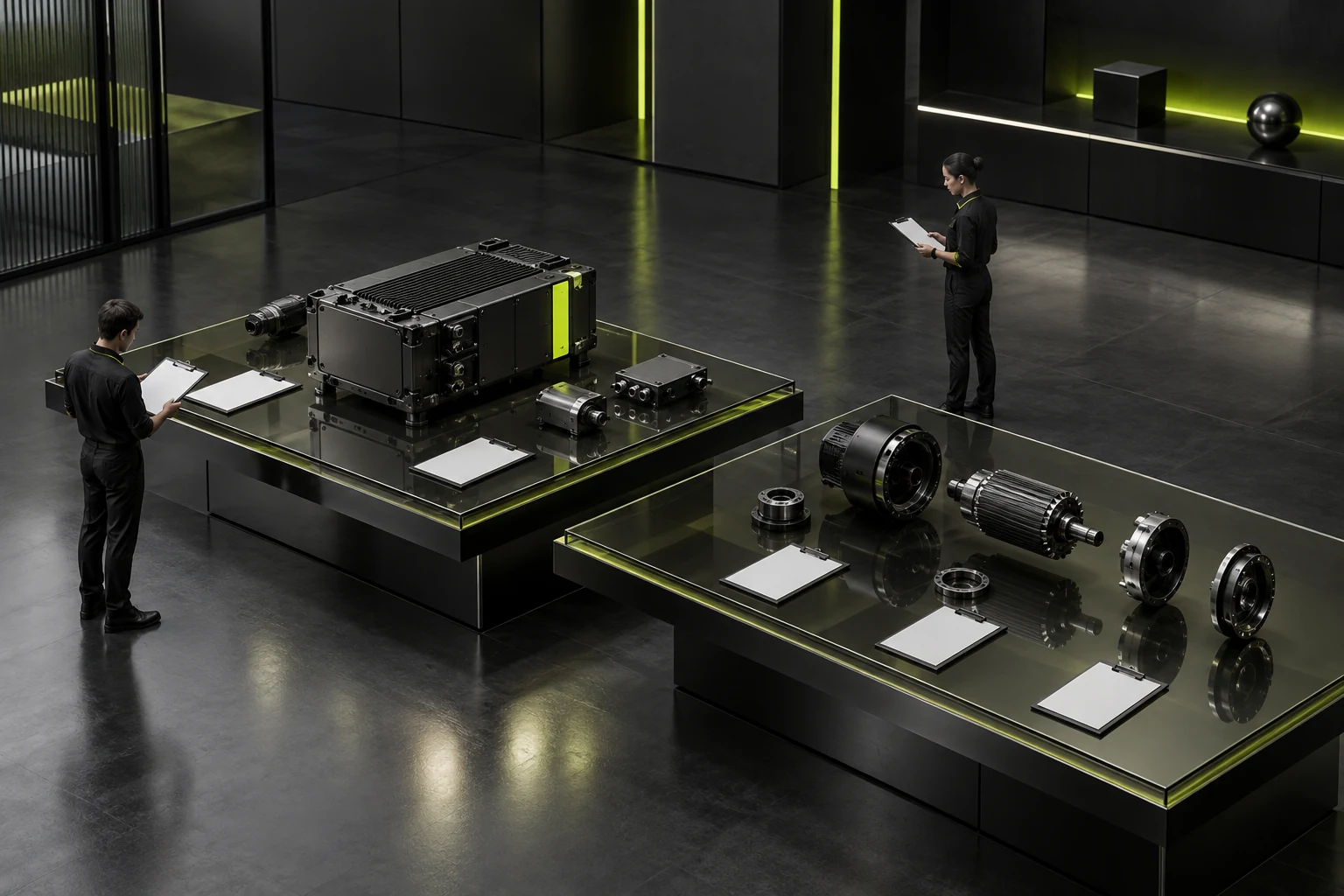
External supporting equipment in product images may fall outside the evidence. If the image shows the full operating environment but evidence covers only one part of the main unit, distinguish them in text. Photos illustrate settings; they do not extend one component’s documents to confirmation of an entire system.
Leave a checking task between test conditions and customer sites
Test documents describe existing records; customer sites describe current requirements. Technical staff must examine specific objects, conditions and tasks to decide whether they correspond directly. The website collects differences instead of turning “tested” into a guarantee for every actual environment.
Suppose documents concern one environmental condition while customers must consider several factors together. Explain the public scope and ask the owner whether combined conditions need further assessment. Website staff cannot add strengths confirmed separately in different files into an unchecked comprehensive suitability conclusion.
Site inputs should describe actual circumstances instead of simply checking “harsh environment.” Prompt for the information and purposes the company confirms necessary. Allow uncertain conditions to remain unknown so users do not select inaccurate ranges just to finish a form.
If installation methods and supporting objects affect suitability, include them in checks according to company documents. Engineers confirm specific effects; the page does not infer their magnitude or solutions. Customers should know what else needs checking instead of assuming one environmental entry in the main-unit specifications eliminates checks for other equipment.
Publish conditions already answered and route uncovered ones to suitable consultation. The distinction supports judgment without forcing everyone into individual communication. But self-service selection must not automatically label unsupported combinations “suitable.” Tools should follow confirmed relationships.

When revising broad promises, retain facts useful for selection
The page need not consist only of rejection and reminders. Replace “stable operation in any environment” with confirmed objects, conditions and document explanations. Readers can see capabilities and boundaries; positive information does not require enlarged scope.
Before revision, list every environmental promise, including headings, specification summaries, captions and download wording. Ask which evidence supports each. Narrow supported statements to their accurate scope; remove unsupported ones or turn them into assessment questions. “Advanced technology” does not replace missing evidence.
If original material says only one configuration is suitable, avoid describing the whole series as “built for harsh environments.” Changing a sentence’s subject can change its scope. Marketing tone adjustments must preserve objects and conditions rather than treating technical qualifications as disposable redundancy.
Check external assets’ purposes too. Stock environments, conceptual renderings and diagrams can illustrate, but must not imply company equipment already operates at that site. Without real, approved project materials, do not fabricate site-photo evidence. Even genuine photos need explanations of their actual coverage.
Short content can retain a brief scope and link to fuller documents. Its summary must not create a false impression requiring a deep-file click to discover the preceding claim fails. Product cards and separately shared images particularly need conditions determining interpretation.
Have fact owners confirm every statement before publication
Ask technical documentation owners to review each environmental statement and its evidence, checking product identity, state, configuration and conclusion scope. Editors ensure accurate copying and matching; responsible specialists make professional judgments. Polished wording does not mean technical review is complete.
For acceptance, set one task covered by documents and another with differences. The former should find matching evidence; the latter should recognize the mismatch and know what information to provide. Samples should come from confirmed company documents or be explicitly hypothetical internal exercises, not presented as actual tests.
Read images or headings shared separately too. If only “suitable for harsh environments” remains while all scope is lost, adjust the summary or prepare confirmed descriptions suitable for sharing. An accurate complete page does not ensure its excerpts remain accurate.
When evidence changes, trace known references from condition records. Product documents, the website and current sales descriptions should use the same confirmed scope; still-valid historical configuration documents need clear identities. Do not update only certificate images while headings retain disproven promises.
Product environmental suitability conditions are complete when public statements trace to specific products and evidence, site differences have reasonable assessment routes and image purposes do not become expanded performance proof. Customers can then ask accurate questions using known information, and companies need not substitute broad words for actual capabilities. See How to design a B2B product detail page? The more parameters there are, the more professional they are. Instead, they should help purchasers complete comparisons and make decisions more quickly for related checks.
Frequently Asked Questions
Can “suitable for harsh environments” remain a heading?
Use it only when documents support the corresponding scope, with specific objects and conditions nearby. A broad heading must not cover environments unproven in the body.
Do environmental test documents mean a product can be used at every site?
Check site requirements against the documents’ objects and conditions. Test records do not automatically answer every configuration, task or combined environment. Technical staff confirm those judgments.
Can component documents appear on the complete-product page?
They can describe that component’s facts if the object is explicit. Placement and wording must not imply proof of suitability for the whole product or all supporting equipment.
How can initial consultation begin without customer environmental data?
Describe known tasks and site circumstances first, then add information for company-confirmed purposes. Retain unknowns honestly rather than making customers guess figures for submission.
Without a report yet, must we avoid describing every environmental advantage?
Describe company-confirmed facts and evidence approved for publication. Do not invent unconfirmed comprehensive capabilities. Owners should fill evidence gaps rather than replacing them with site images.
Need design or website development services?
JVDS Design Studio is a professional design studio focused on digital product experiences and brand identity. We work with businesses in China and overseas that want to strengthen their brand image, improve user experience and grow their business, providing clear, usable UI/UX design, high-quality website design and development, app and mini-program development, and cohesive, distinctive brand identity design.
Planning a corporate website, a multilingual site or a redesign? Tell us about your audience, existing website and the work you need.
 Link copied








