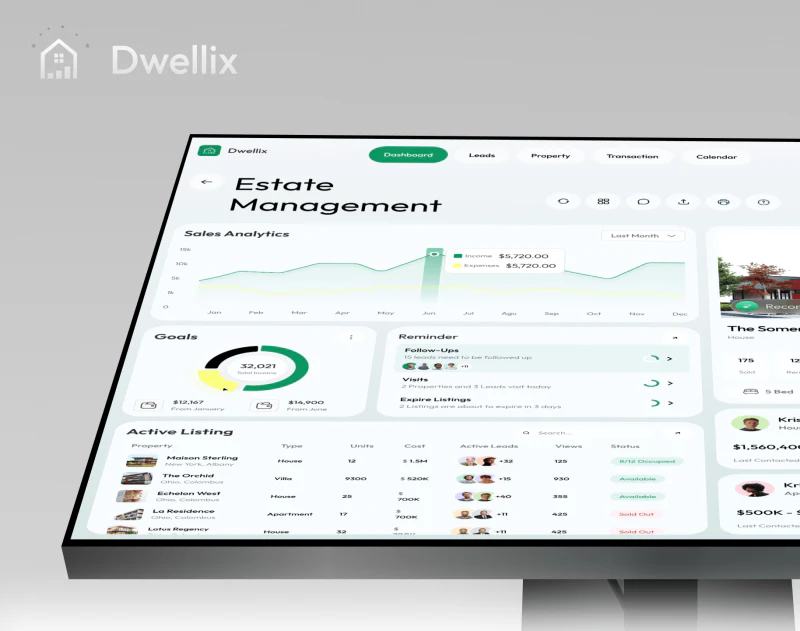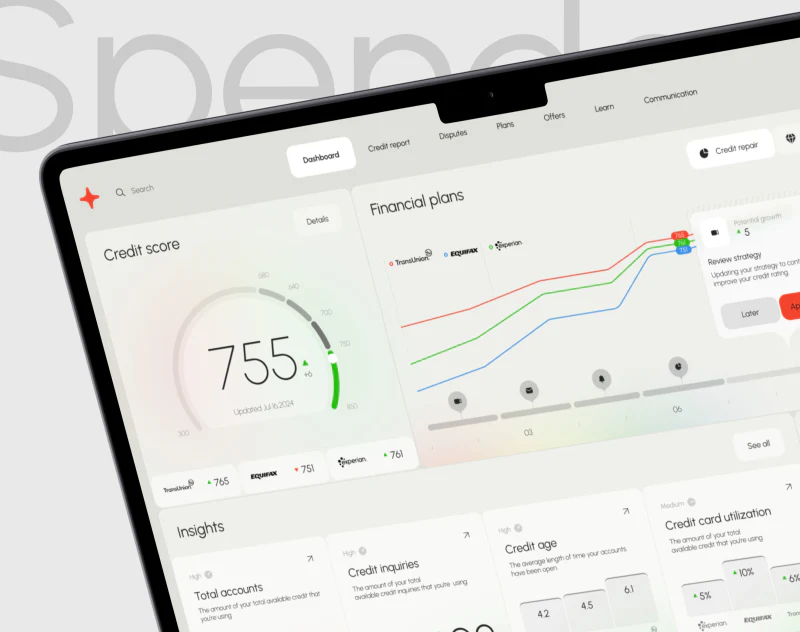
When preparing a UI design project, many business owners first visit several company websites, scan portfolio images, and request quotes. That process is reasonable, but comparing only those two factors can lead to trouble: a company may have attractive cases and a reasonable price, yet weeks into the engagement communication breaks down, revisions continue indefinitely, or developers say the final design cannot be reproduced.
Differences between UI design companies are not primarily aesthetic—most firms with a complete portfolio have sound visual skills. The real differences are process clarity, communication cost, and whether the design can be implemented. This article explains those factors so you can evaluate providers with less risk.
Before Choosing a UI Design Company, Define the Problem
Many companies describe their needs vaguely: "We want it to look better" or "The interface is old and needs updating." These are valid starting points, but they do not support accurate pricing or planning.
Define the problem more specifically. Does a corporate website need a new interface? Is a back-office management system difficult to operate? Is an APP nearing launch without a consistent interface? Different problems require different workloads and providers. Some teams specialize in corporate websites, others in the interaction logic of complex back-office systems, and others in APP interface design. Clarifying whether the problem is aesthetics, efficiency, or brand consistency makes communication faster and proposals more relevant.
Review Portfolios for More Than Visual Appeal
Check Contextual Fit Before Aesthetics
A portfolio is the most direct evidence of a UI design company's work, but many buyers judge only whether it looks attractive rather than whether it fits their situation.
For a complex enterprise back-office system, look for work of similar complexity and assess how clearly the information hierarchy is handled. A flashy consumer APP is not the best comparison. Back-office systems emphasize efficiency and error tolerance; consumer products often emphasize emotion and conversion. A visually expressive team may not be skilled at interface design for complex business logic.
Clarify the Provider's Role in Each Case
Ask what role the provider actually performed: Did it design the project independently from beginning to end or contribute only one part? Did its work end at design delivery, or did it support development through launch? Different levels of involvement demonstrate different capabilities. A simple question—"Which parts of this project did you handle?"—is highly useful.
Why UI Design Company Quotes Vary So Widely
Quotes for similar UI design projects can differ severalfold. Common reasons include:
Different service scopes. Some quotes cover only design files, such as Figma or Sketch; others include design and front-end development through launch. These are different services and naturally have different prices.
Different numbers of pages and components. A system with a dozen core pages requires far less work than one with many business modules, state changes, and error-handling screens. Details such as loading, empty, and error states can consume significant time.
Inclusion of design guidelines or a design system. If the product will continue evolving, a few visual page designs have limited value compared with a reusable design system covering color, typography, components, and interaction rules. This work is often underestimated but is critical to reducing future rework.
Different team structures. Independent designers, small studios, and larger teams have different labor and management costs. Higher prices do not guarantee better work, and lower prices do not guarantee poor work, but understanding the reason for the difference clarifies what the quote includes.
Process Clarity Determines the Risk of Rework
Details Commonly Missed During Requirements Discussions
Rework and delays often begin when requirements are not explored fully. Teams may fail to define the target user, core usage scenario, or final internal decision-maker. If these points remain unclear before design starts, conflicting opinions may surface after delivery and force a restart.
Assess professionalism by the depth of questions asked at the beginning. A provider that asks only about preferred style creates a different risk profile from one that asks who uses the page, what users do most often, and which competitors provide relevant references.
Prevent Endless Revisions During Approval
Agree before work begins on revision rounds, out-of-scope fees, and acceptance criteria. Without this agreement, the company may say the result is not yet satisfactory while the provider says it already follows the requirements, leaving the project stalled.
Design-to-Development Handoff Is a Common Failure Point
An attractive design is not necessarily implemented accurately. If the UI design company does not develop the product, handoff to an internal or third-party team may lose spacing, fonts, or motion. Integrated design and development reduces that risk because one team owns the launched result. For design-only work, confirm that complete annotations and delivery guidelines are included.
Communication and Response Time Are Hidden Long-Term Costs
UI design is rarely finished forever at the first delivery. Corporate websites and APPs commonly require future adjustments. Before engaging, note the provider's communication tools, typical response time, and whether a dedicated contact is assigned.
Waiting days for a response or repeatedly changing contacts weakens a long-term relationship even when the design quality is sound. This cost does not appear in a quote and can be assessed only through early communication.
Walk Away in These Situations
The quote is far below the usual market range and the provider cannot explain the savings.
The provider refuses to show complete cases, offers only polished screenshots, and avoids detailed questions.
The contract omits revision rounds, deliverables, or copyright ownership and relies only on verbal promises.
The provider promises an immediate conversion increase or another unverifiable outcome. UI design can improve experience and operating efficiency, but business results also depend on the product, operations, and market conditions; a design company cannot guarantee them independently.
How SMEs Should Plan a UI Design Budget
Budget planning should begin with the problem and expected maintenance, not a single number. A few temporary page improvements do not require the investment of a full design system. A continuously evolving product may save substantial future effort by investing early in guidelines and a component library. Because pricing varies with scope, team, and complexity, prepare a clear requirements list and compare two or three providers.
Experience from JVDS Design Studio's UI Design Engagements
JVDS Design Studio usually begins by defining the business problem rather than moving directly into visual design. A request to "make it look better" may actually involve inefficient operation, hidden entry points, or inconsistent branding. Clarifying the problem keeps the design direction on track.
JVDS Design Studio provides UI/UX design, corporate website design, website development, APP design, and brand visual design. Integrated design and development can reduce the gap between design files and the final page. When comparing UI design companies, use the criteria in this article—contextual fit, quote structure, process clarity, and communication—to guide the next discussion.
Conclusion
A portfolio is only one dimension when choosing a UI design company. Confirm whether its strengths match your needs, what the quote covers, whether process and acceptance criteria are clear, and whether designs can move smoothly into development. A structured comparison reduces more risk than comparing prices or screenshots alone.
FAQ
1. How Do UI Design Companies Charge?
Common models include pricing by page or component, a fixed project quote, and person-day billing. Design systems, development, and revision limits all affect price, so confirm which services each model includes.
2. What Is the Difference Between UI Design and Web Design?
Web design emphasizes overall page presentation and visual expression. UI design focuses more systematically on interface elements, interaction logic, and operating flows, especially in products with many pages and states, such as back-office systems and APPs. The disciplines often overlap.
3. What Is the Biggest Risk When Outsourcing to a UI Design Company?
Common risks include a gap between design and implementation, slow communication that delays the project, and staff changes that interrupt work. Clear scope, delivery standards, and communication methods can reduce these risks.
4. Who Turns the Design into a Real Website or APP?
If the UI design company delivers only designs, the company's own development team or another provider must implement them. With integrated design and development, the same team handles implementation and is more likely to preserve fidelity. Clarify this before engagement.
5. How Should You Review a UI Design Company's Portfolio?
Do not judge appearance alone. Look first for cases that resemble your scenario, such as a back-office system or corporate website, and ask what work the provider specifically completed.
6. How Long Does a UI Design Project Take?
Timing depends mainly on page count, whether a design system is required, revision rounds, and internal approval speed. Simple projects may take several weeks, while complex systems require longer. The provider should schedule from the actual requirements.
7. Who Owns the Copyright to the Design?
The contract should state this clearly. Default terms vary, so confirm usage rights for designs, source files, fonts, and assets before signing.
8. What Should an SME Prepare Before Hiring a UI Design Company?
Prepare the specific problem, target users, core usage scenarios, reference cases and reasons for liking or disliking them, budget range, and whether development support is needed. Greater specificity produces more accurate proposals and quotes.
Need design or website development services?
JVDS Design Studio is a professional design studio focused on digital product experiences and brand identity. We work with businesses in China and overseas that want to strengthen their brand image, improve user experience and grow their business, providing clear, usable UI/UX design, high-quality website design and development, app and mini-program development, and cohesive, distinctive brand identity design.
Working on a B2B system or an app? Share your current screens and key user tasks so we can discuss the design scope.
 Link copied