Users Say a Website Is “Untrustworthy”: How Can UX Research Find Testable Causes?
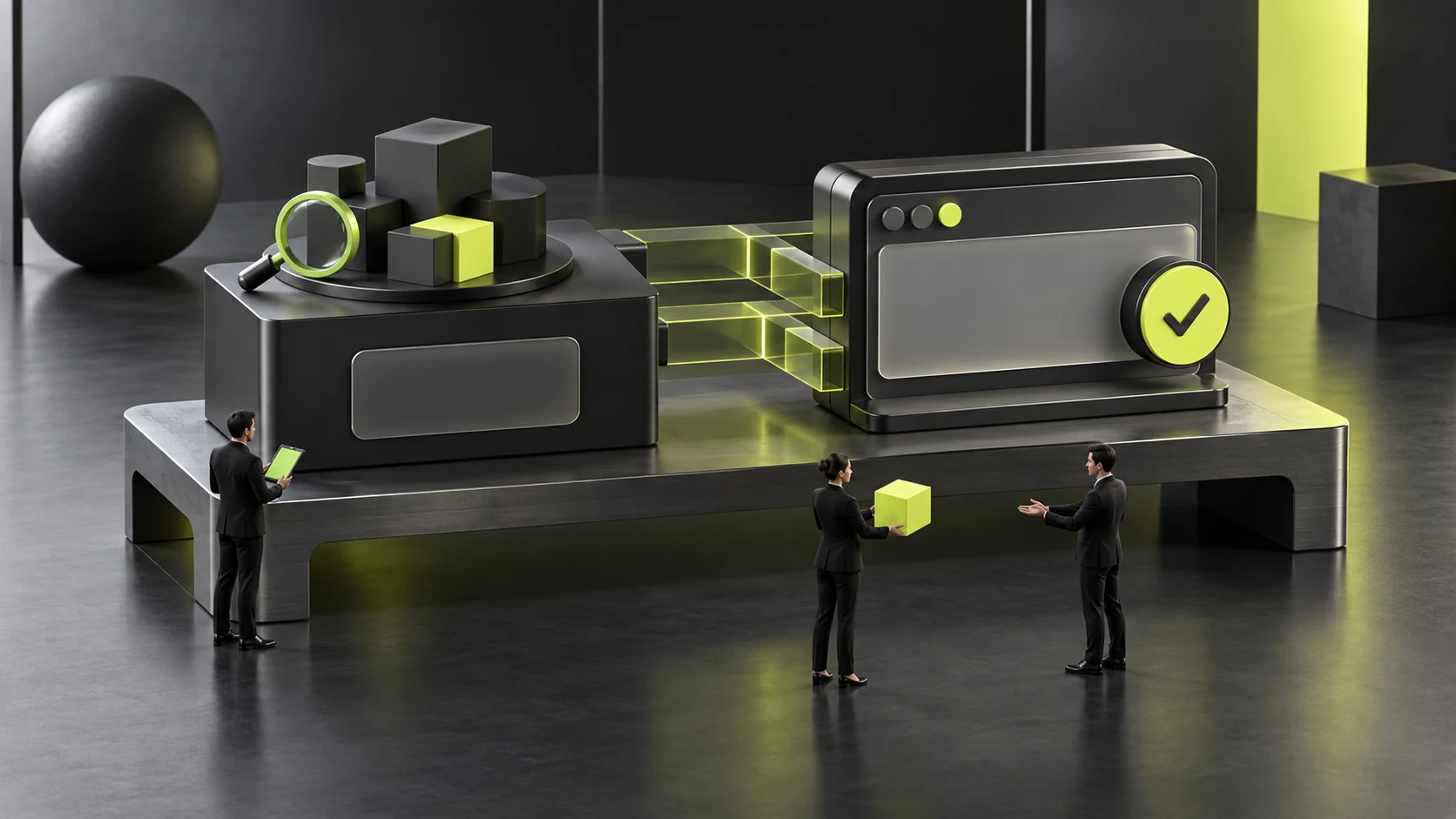
When users call a website untrustworthy, ask where in its information or interactions they formed that judgment, then break feelings into checkable facts and tasks. Do not immediately adopt more elaborate visuals. Company identity, evidence, contact feedback and inconsistent statements may all influence the judgment.
Return Feedback to Its Original Situation
Ask for page location, intended task, what was seen and which next step was avoided. These reveal context more readily than color preferences. Preserve original wording and context in research records.
Avoid leading questions such as whether the page looked too old, which steer toward visuals. Ask what caused hesitation first, then check content and behavior individually.
Success means untrustworthy becomes specific clues rather than one overall label. Users may worry about different things; one opinion is not every reader's need.

Group Clues into Information and Behavior
Information issues include unclear identity, vague scope, contextless images, unknown file versions and conflicting wording. Behavior may include absent feedback, unclear recipients or unknown next steps after submission.
Business owners check facts before designers and developers discuss presentation and validation. Sites can clarify information but cannot manufacture proof. Interfaces explain states but cannot guarantee internal service fulfillment.
When discussing websites and UI/UX with JVDS Design Studio, bring feedback locations and verified company materials to define organization, prompts and implementation scope. Branding should fit real business rather than replacing facts with visual packaging.
Create Testable Change Hypotheses
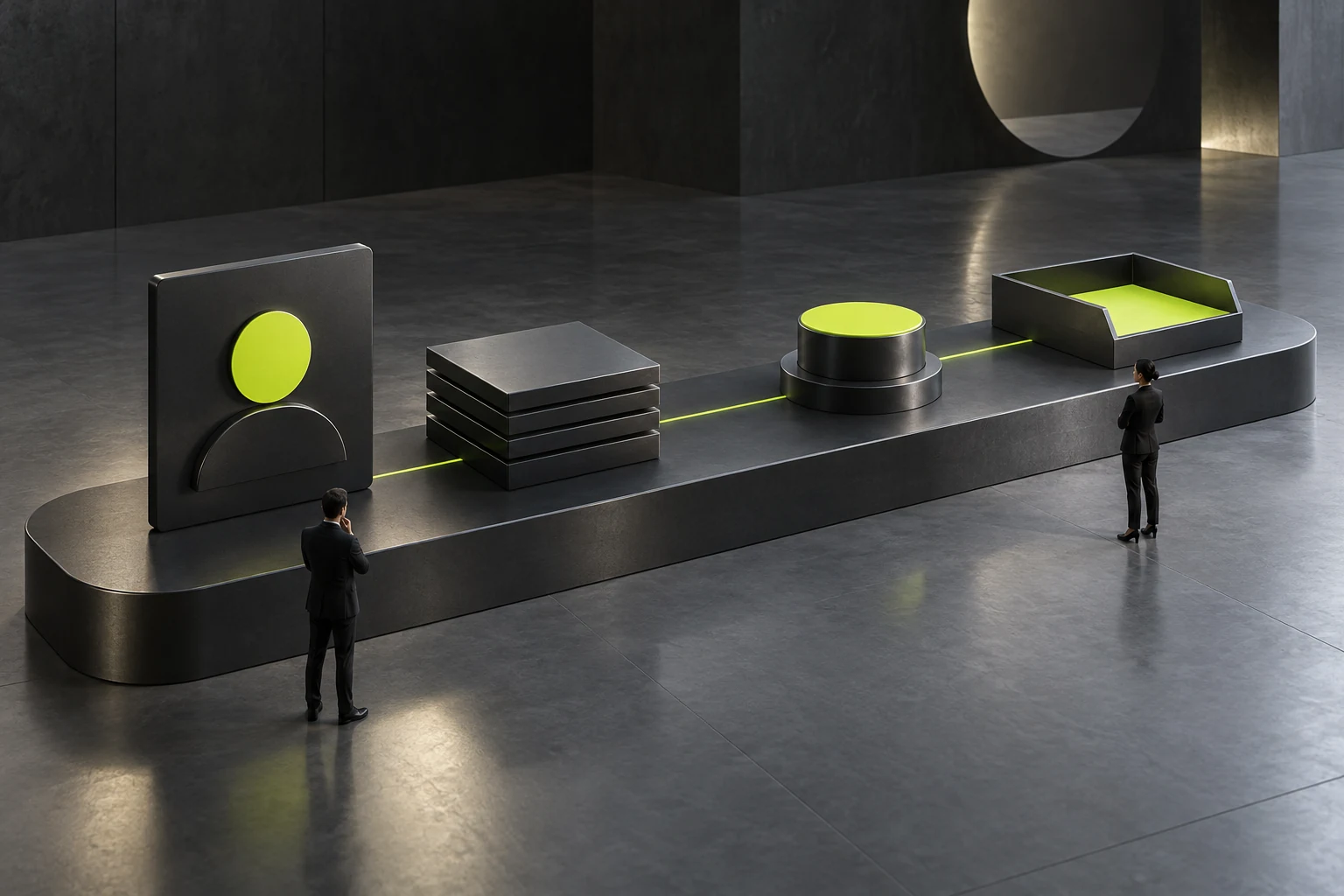
Record original judgment, possible cause, change object and observation action. If visitors cannot tell whether a download applies to the current product, add subject and version guidance, then observe independent judgment rather than assuming more downloads.
If contact visitors worry about recipients, test explanations of receiving roles and later handling. The company must first confirm real arrangements; tests do not justify arbitrary service promises. See How to Run an Effective Usability Test for related checks.
Task observations and follow-up questions provide evidence, with sample and context limits stated. One test without hesitation does not prove universal trust; it assesses whether the current explanation resolves a specific concern. See How Corporate Websites Build Trust with Clients, Proof, and Data for related checks.

Let Visual Changes Follow Identified Problems
If feedback concerns difficult reading, crowding or inconsistent identification, assess hierarchy, type, spacing and brand application. Visual and factual problems may coexist and need separate actions so interface rebuilding does not hide unchecked content.
Have participants repeat the original task, recording found information, interpretation and remaining hesitation. Questions aid understanding, but guided completion should not be recorded as independent success.
Success means clearer answers to specific concerns and knowledge of remaining factual and interaction improvements. Credibility research guides design while preserving responsibilities for actual service and evidence.
Frequently Asked Questions
Does Distrust Mean a Complete Redesign Is Necessary?
Not necessarily. Locate the judgment first; unclear contacts, file versions or statements may suit local changes and tests. Broader scope is appropriate when issues span structures and flows.
Can Fictional Testimonials Validate a New Page?
Do not present fiction as public facts or genuine evidence. Use verified materials or clearly identified test placeholders for expression tests and have the company confirm final content. Visual testing cannot establish case authenticity.
Need design or website development services?
JVDS Design Studio is a professional design studio focused on digital product experiences and brand identity. We work with businesses in China and overseas that want to strengthen their brand image, improve user experience and grow their business, providing clear, usable UI/UX design, high-quality website design and development, app and mini-program development, and cohesive, distinctive brand identity design.
Working on a B2B system or an app? Share your current screens and key user tasks so we can discuss the design scope.
 Link copied