Without Public Case Studies, How Can a B2B Website Show Verifiable Professional Information?
Without public case studies, a B2B website can present confirmed service scope, professional explanations, public materials and communication processes, with clear evidence boundaries. Do not fill trust gaps with fictional customers or decorative images. Real business owners still need to check the content before publication.
Distinguish Capability Descriptions from Supporting Evidence
Capability descriptions explain what a business currently offers; evidence helps verify a specific conclusion. Neither replaces the other. A claim that a feature is supported needs confirmed service boundaries. A design concept image shows a presentation direction but cannot prove a completed client project. See How Corporate Websites Build Trust with Clients, Proof, and Data for related checks.
Inventory publishable content: customers served, deliverables, required inputs, technical or process explanations and authorized documents. Mark each source, owner and supported conclusion. If evidence supports only part of a claim, the page must retain that scope.
Suppose the company has a test document for one product. Check its product name, conditions and validity scope instead of placing its icon on the homepage to imply the same findings for every product. Unchecked materials can remain unpublished or explicitly pending confirmation; design cannot decide facts.
Answer Buyers with Specific Boundaries
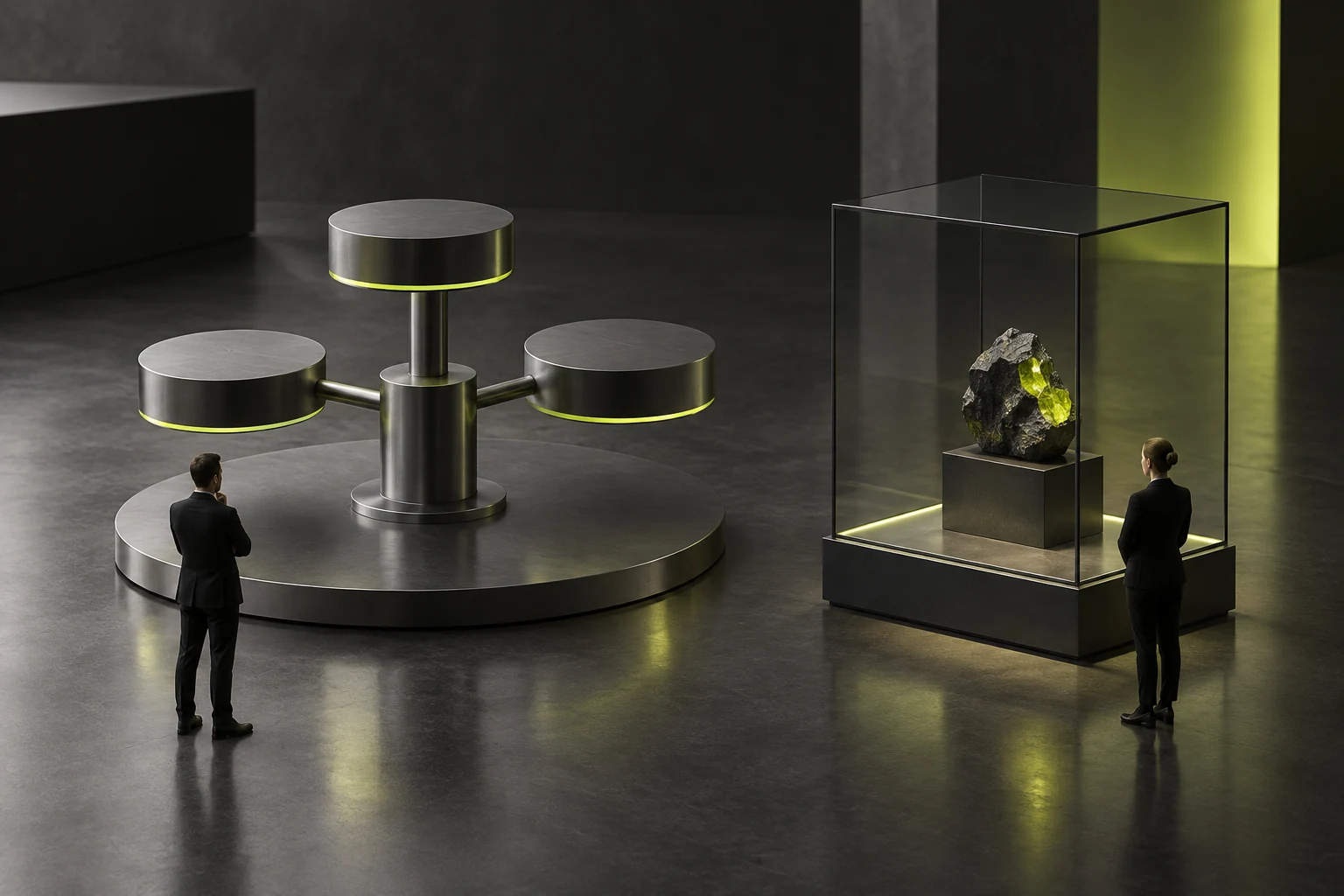
Without case studies, the site need not rely on vague image-building phrases. Explain how requirements are confirmed, what customers supply, which deliverables exist, which changes need reassessment and how maintenance is arranged after launch. Use confirmed scope without invented universal timelines or commitments.
Professional explanations also support decisions. Explain why materials are needed, how conditions affect proposals and what businesses must confirm, rather than merely claiming professionalism and reliability. Relevant specialists should review technical conclusions; editorial suggestions are not engineering judgments. See B2B Branding: Build Clear Differentiation Beyond Credibility for related checks.
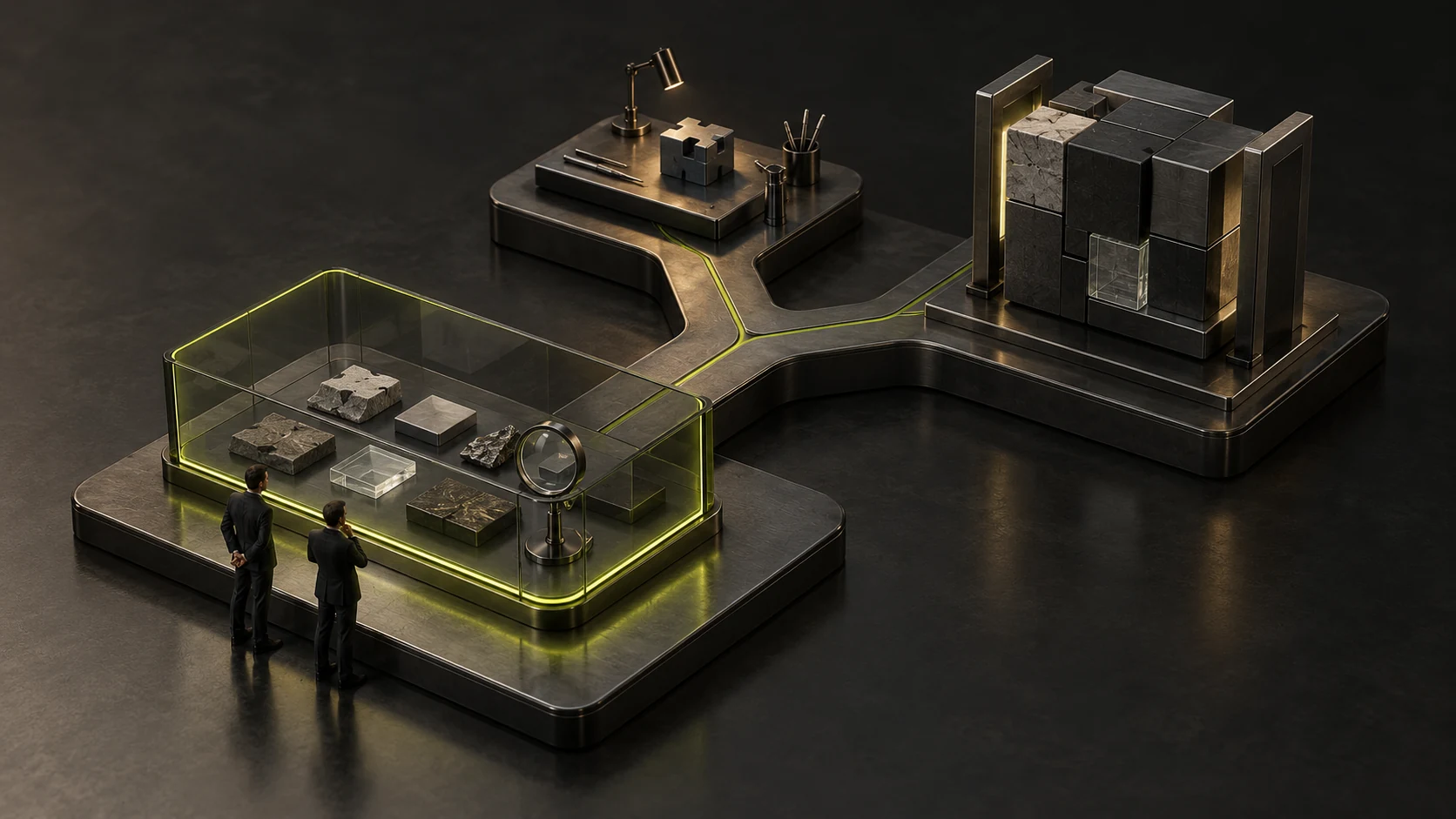
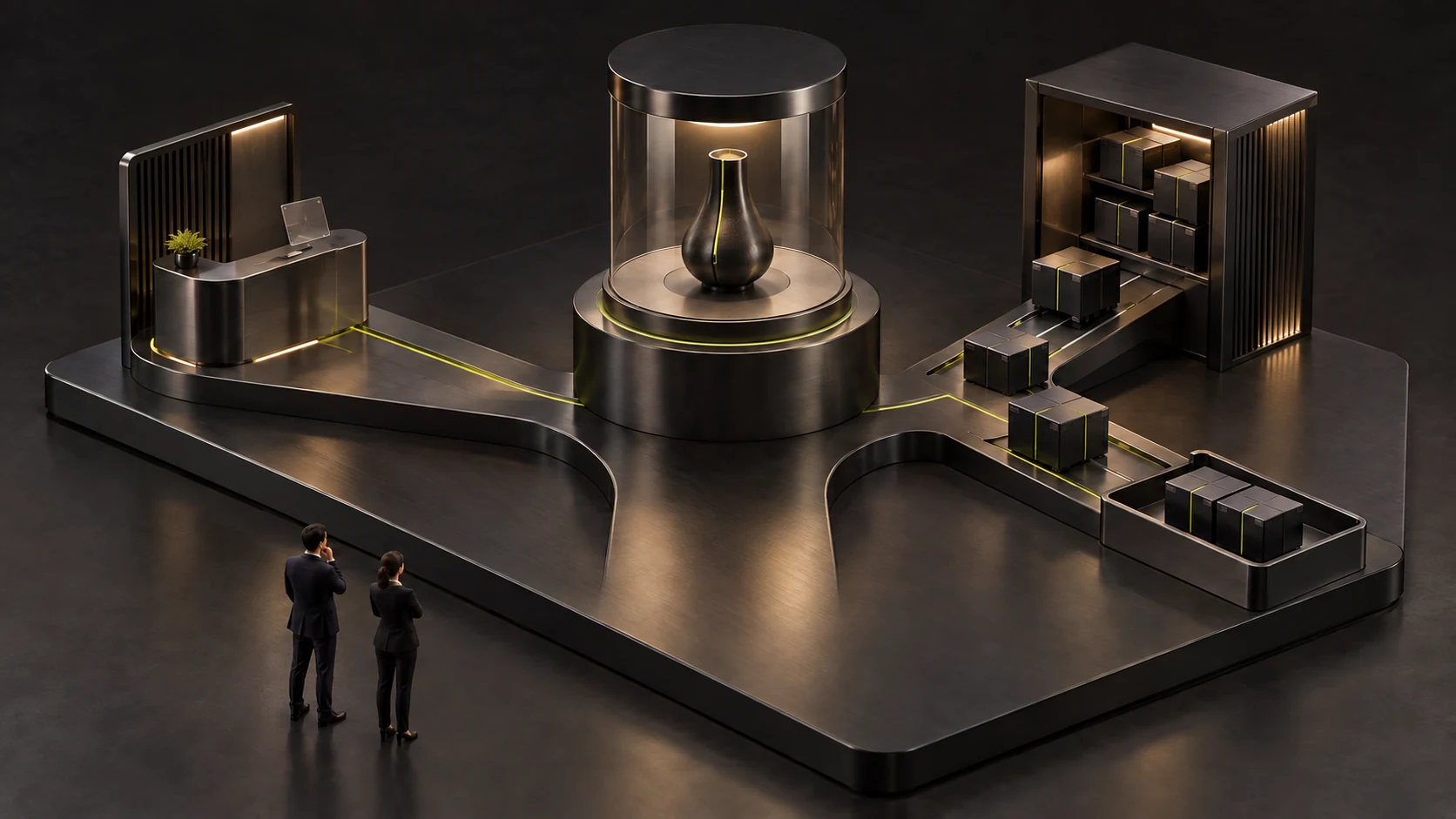
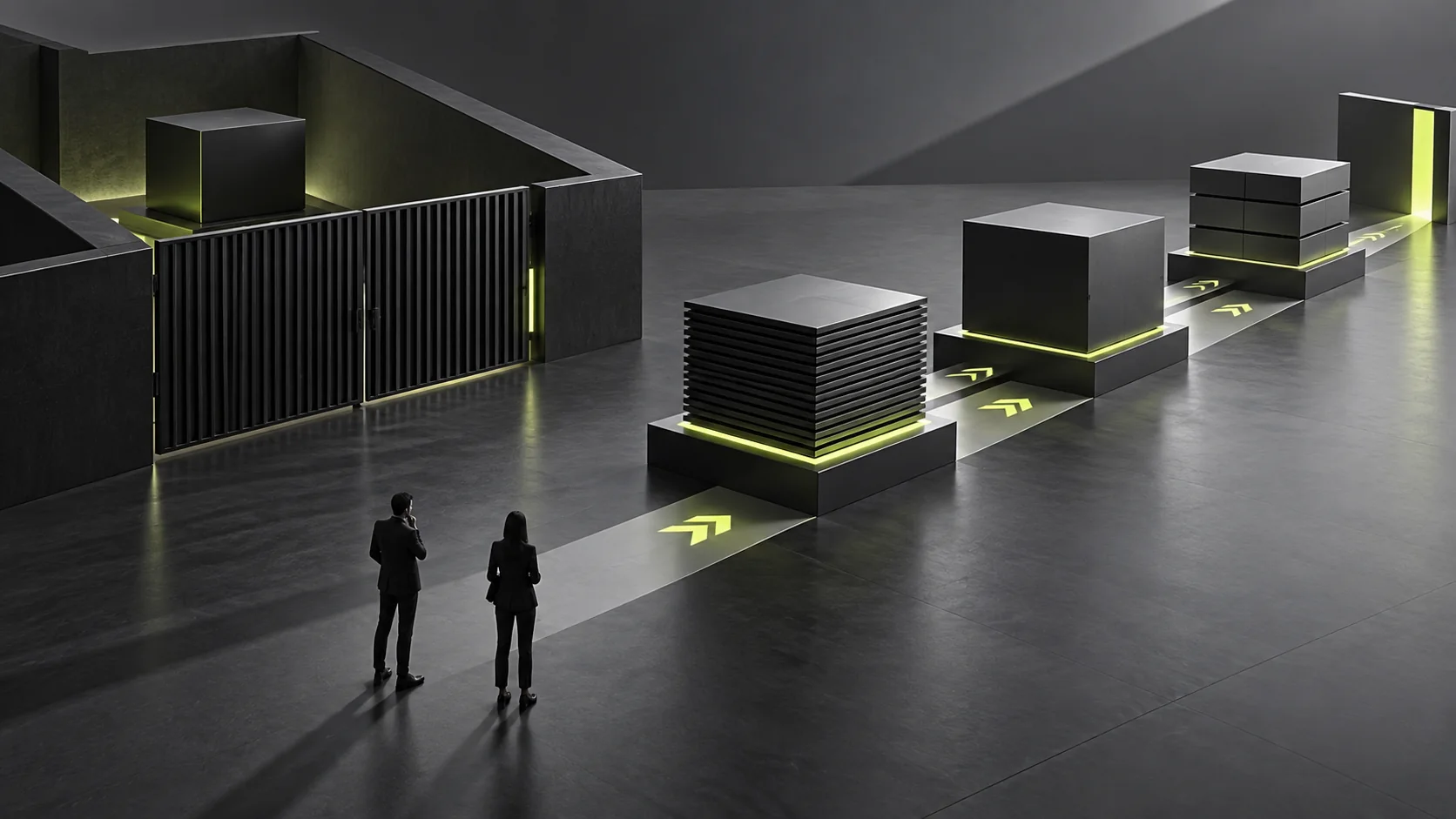
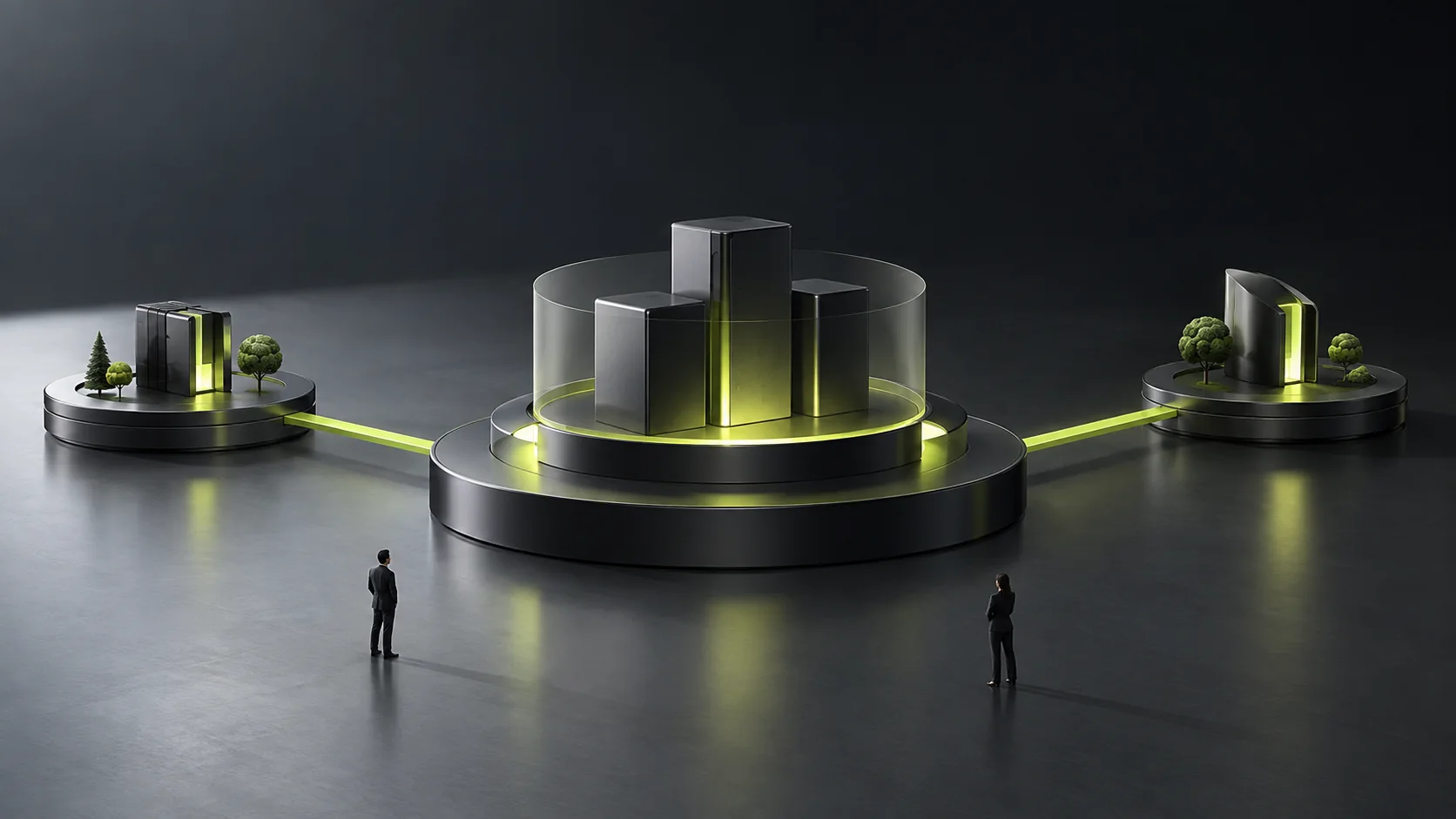
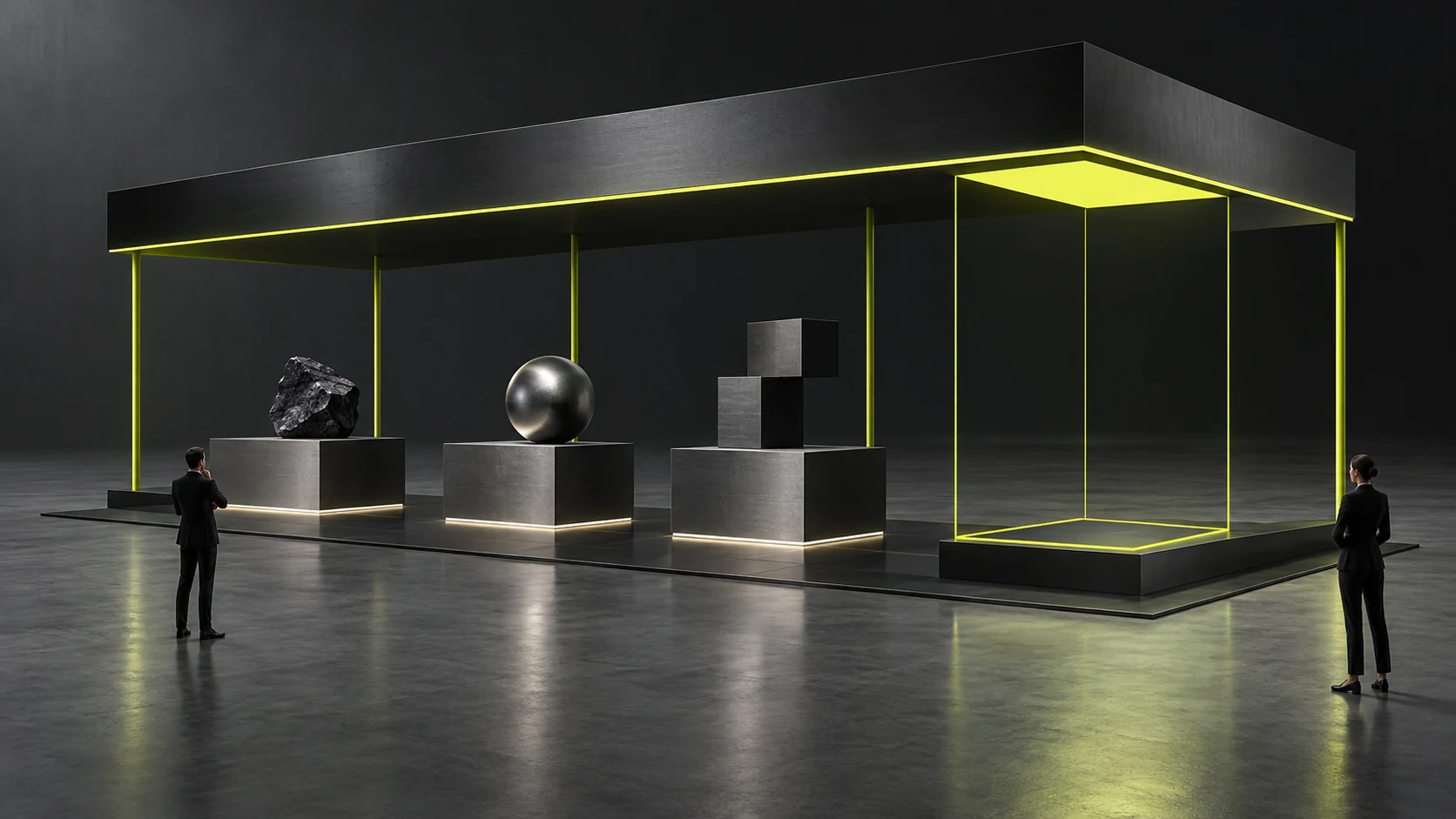
Images should match the identity described. Concept illustrations can explain structures but should not carry client names, real production lines or result figures. For actual company photographs, verify sources and usage permissions and clearly identify their subjects.
JVDS Design Studio focuses on business website planning, design and development, and also supports UI/UX and brand identity. Businesses discussing these needs can organize website content around actual service scope. Features and delivery arrangements require project confirmation, and public evidence needs individual checks.
Keep Traceable Page Evidence Records
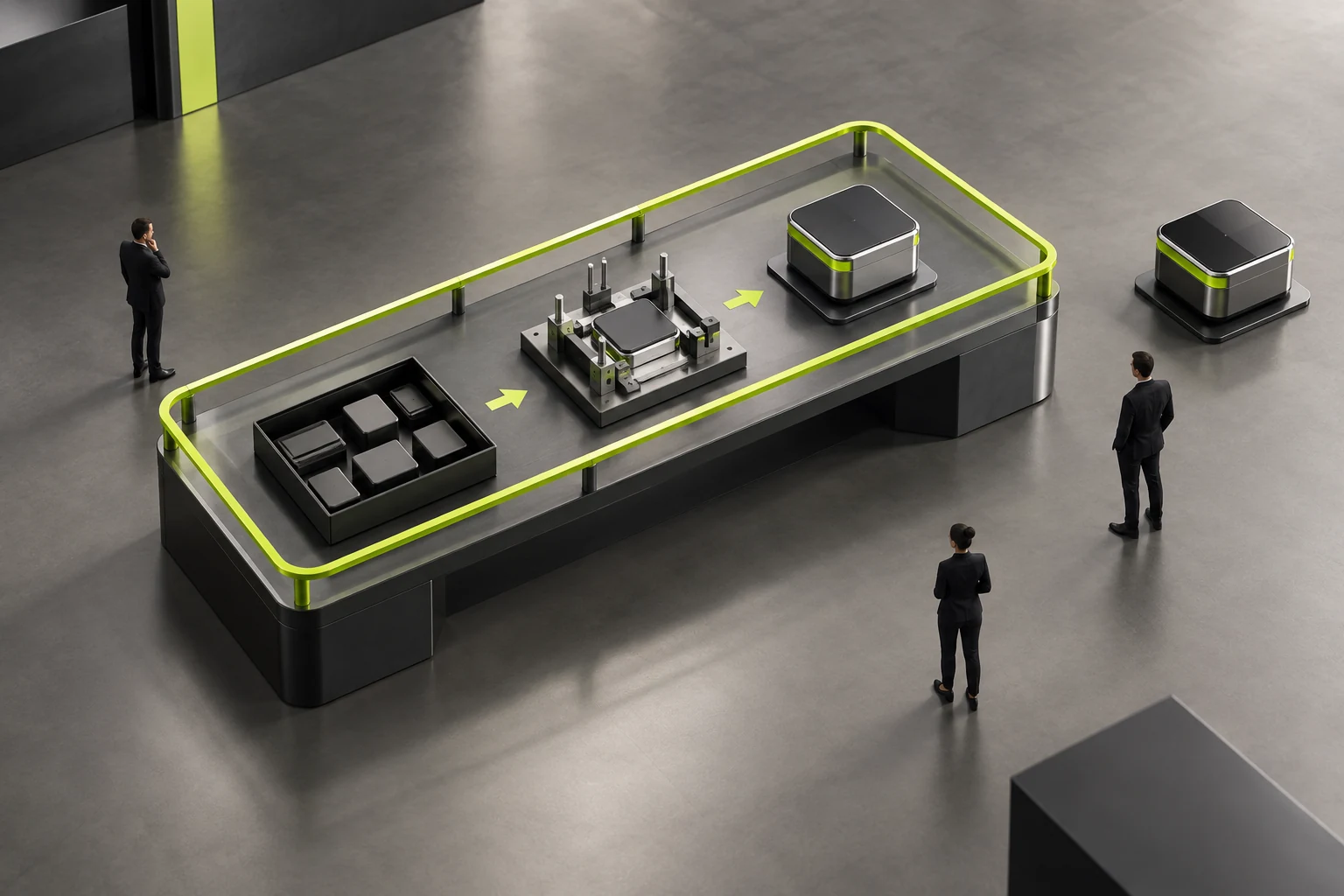
Record statements individually with proposed public content, evidence location, permitted conclusions and reviewer. Service scope may come from confirmed business explanations, images from authorized assets and processes from current delivery agreements. Keep records in editorial handovers rather than putting internal management details in the body.
Ask someone outside production to read the page and restate what they think the company has done and can offer. If their interpretation exceeds the evidence—for example, treating a concept image as a real case—the wording or presentation needs revision. Without case studies, implied claims need particular scrutiny.
When project materials later become publishable, add background, work scope and verifiable results under the relevant authorization. Do not invent testimonials to complete the page or replace brand names in someone else's case study.
Success means important statements have owners and evidence, readers understand service conditions and neither text nor images imply nonexistent experience. Credibility can accumulate gradually; first explain what can already be supported.

Frequently Asked Questions
Can a Website Launch without Client Case Studies?
Prepare accurate content from actual business scope while avoiding fictional outcomes and misleading evidence. Publish confirmed services, necessary explanations and contact routes first. Defer materials lacking publication evidence and have an owner review the page's overall interpretation.
Can Other Companies' Case Images Be Used as Design References?
Reference directions can be discussed in design conversations with appropriate permissions, but public pages must not present them as your own projects. If citation is necessary, identify the source and purpose and confirm permission. Clearly identified concepts or authorized owned materials are a more direct option.
Need design or website development services?
JVDS Design Studio is a professional design studio focused on digital product experiences and brand identity. We work with businesses in China and overseas that want to strengthen their brand image, improve user experience and grow their business, providing clear, usable UI/UX design, high-quality website design and development, app and mini-program development, and cohesive, distinctive brand identity design.
Planning a corporate website, a multilingual site or a redesign? Tell us about your audience, existing website and the work you need.
 Link copied