Before Adding OEM and ODM to Your Website, What Capability Evidence Should You Prepare?
Before adding OEM or ODM to a factory website, explain the actual work the company can undertake, materials the buyer must provide, and conditions requiring reassessment. In common usage, OEM often starts manufacturing from a customer’s design or specifications, while ODM often starts from a design the manufacturer already has or provides. Actual responsibilities still need confirmation from real materials.
Equipment photos, product images, or “customization supported” alone do not establish every capability from development to volume production. The page should help buyers judge whether their needs merit further discussion and what to prepare for a first inquiry. It should not turn unverified capabilities into delivery promises.
1. Break Capability Labels Into Actual Work Scope
Ask business and technical owners to specify what the company can handle: drawing evaluation, material or process recommendations, structural design, sample production, testing, production organization, packaging, or brand-marking work. For each task, state who performs it, whether external partners are involved, and when further confirmation is needed.
For example, manufacturing to customer drawings does not automatically mean the company can independently design the entire product. Adjusting appearance or packaging does not automatically establish the ability to change its core structure. State confirmed scope on the website and leave work requiring assessment to discussions of specific requirements.
Buyers may also bring materials at different maturity levels. Someone with a complete design wants to confirm manufacturing suitability, inspection requirements, and execution limits. Someone with only a use or goal needs to know whether the company can help clarify requirements and what materials must be added. Explain the two entry points separately instead of calling everything “full-process customization.”
A cooperation label cannot replace contractual terms. Ownership of designs, molds, trademarks, or other rights cannot be inferred from OEM or ODM alone. The website may prompt further confirmation of responsibilities, but should not reach legal conclusions without specific grounds.
2. Find Materials That Support Each Capability
Build a capability-evidence list recording proposed claims, supporting materials, confirmation owners, update times, and permitted publication scope. Materials may include current equipment and process information, publishable design outputs, confirmed test explanations, or production-process details, but must correspond to the claims.
For equipment photographs, verify the object and location and identify whether the facility belongs to the company or a partner. A photograph of one machine supports showing that object; it does not automatically establish the entire production line’s capabilities, capacity, or process scope. Check whether historical site photos still represent current conditions.
For product images, establish whether they show proprietary products, items the company helped manufacture, or partner projects approved for display. Confirm publication permissions before showing customer identifiers, drawings, or undisclosed structures. Diagrams and stock photos may support explanation, but readers should recognize their purpose. Do not present them as actual workshop or customer-delivery photographs.
For certification or testing materials, check the holder, applicable object, status, and publishable content. A conclusion for a product or component must not become a claim that every model meets the same requirements. Equipment, certificates, and photos can be organized using capability communication in manufacturing brand upgrades, while each fact still requires confirmation by its material owner.
3. Separate Confirmed Capability From Assessment After Receiving Materials
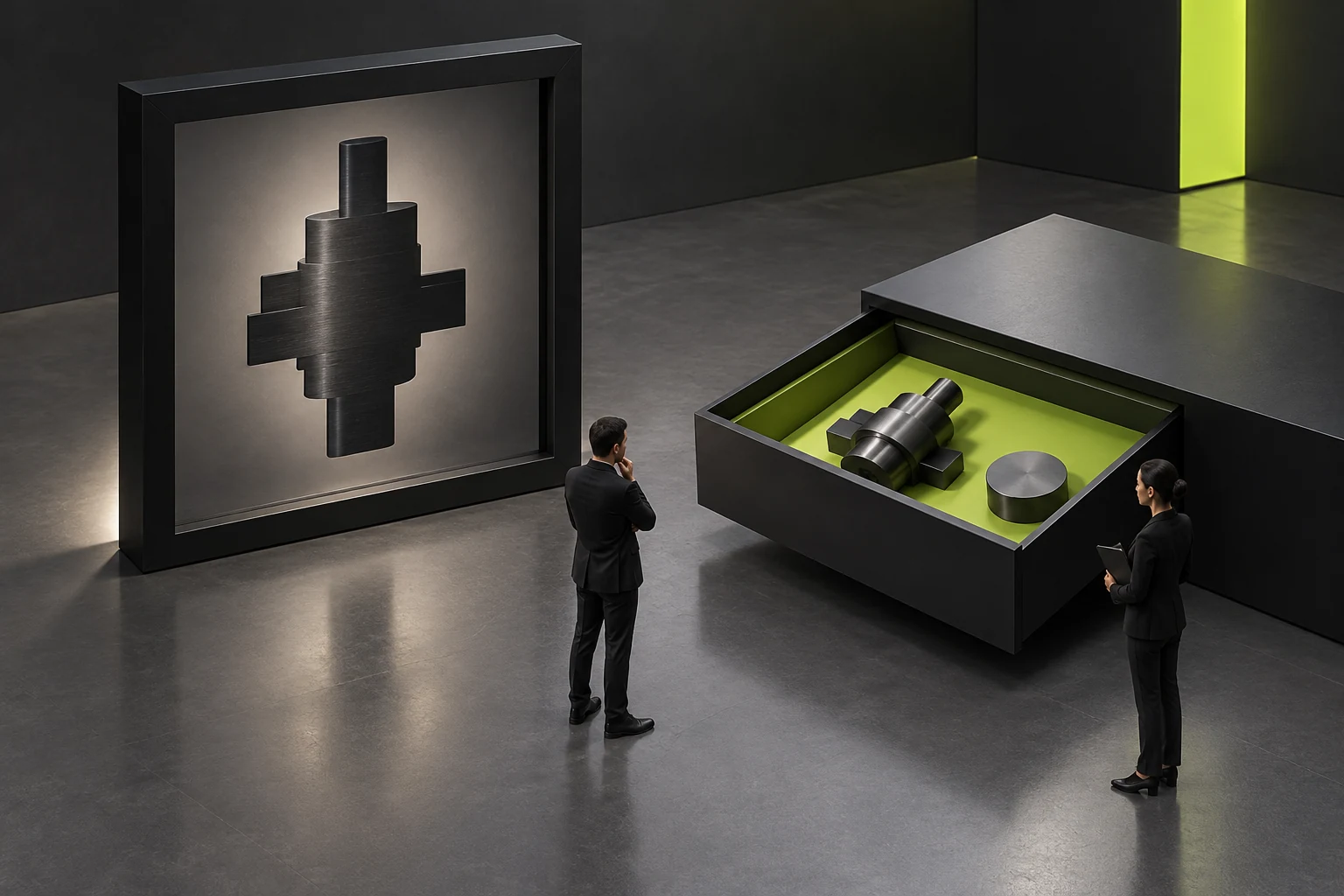
A page can distinguish three states: evidence-backed capabilities that may be public; work with some conditions met but requiring specific materials for assessment; and scope not currently offered or confirmed. This helps buyers judge suitability better than placing every item in one service list.
For requirements needing assessment, explain which factors affect the decision, such as product use, design maturity, material requirements, testing conditions, and intended market. Ask only for information relevant to the company’s actual evaluation. Every first inquiry need not require a complete production specification.
Explain work possible at the sample stage separately from volume production. One successful sample check does not establish feasibility for every quantity, configuration, and delivery condition. Do not fill unconfirmed minimum orders, lead times, capacity, or costs with common industry figures. Where real figures exist, retain their applicable conditions and confirmation dates.
For multiple markets, check whether product scope and requirements differ. A page need not promise suitability for all global markets. Explain instead that customers must provide target-market information and that certain requirements need confirmation within the specific project. These boundaries reduce incorrect expectations at the start of discussions.
4. Help Two Types of Buyers Prepare a First Inquiry
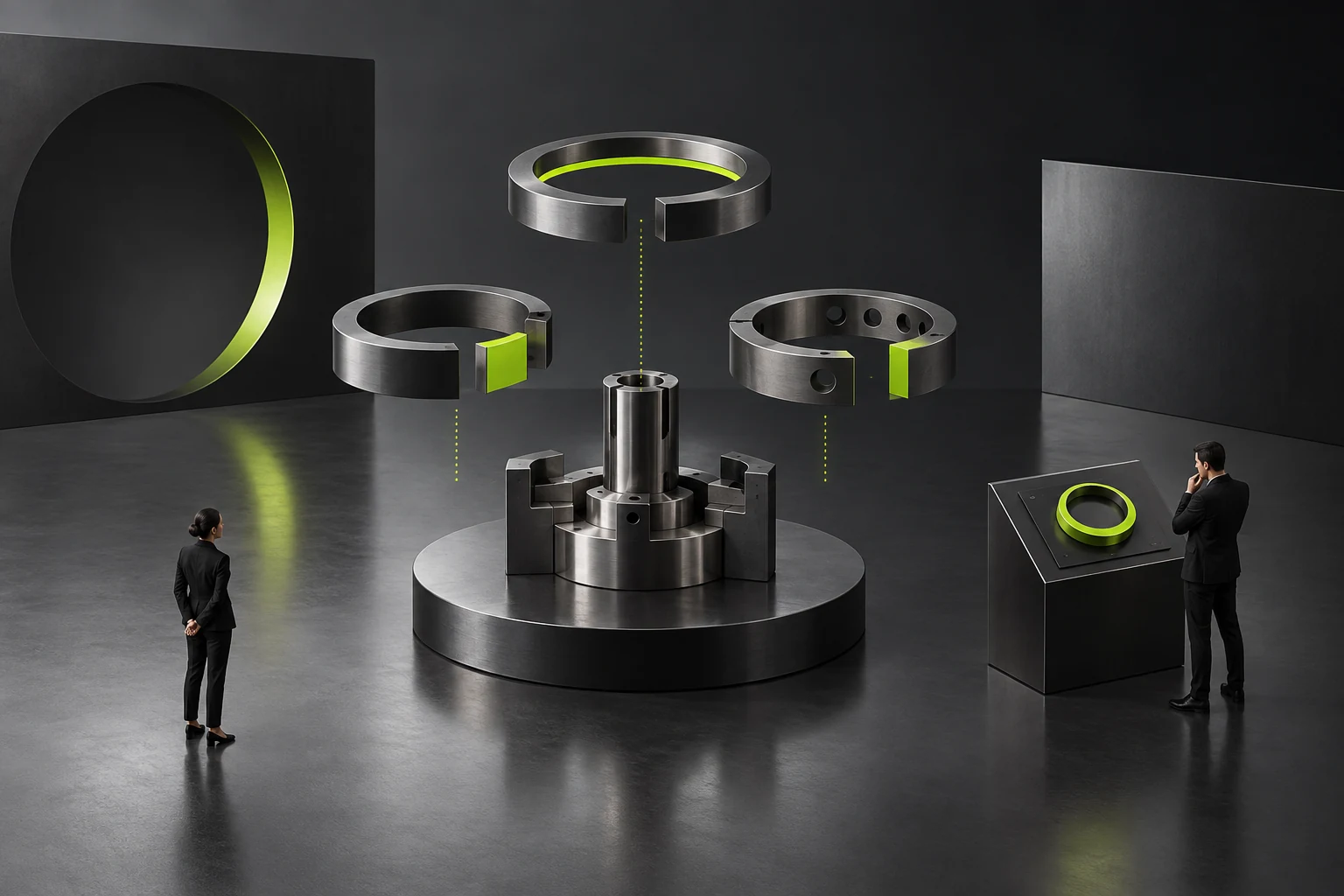
For people with drawings or specifications, explain that they should provide product identity, use, current material versions, and mandatory technical requirements. State file reception methods, accepted formats, and subsequent confirmation procedures according to actual channels. An upload button must not imply that submitting materials means the production task has been accepted.
For people with only a goal or reference sample, first collect the problem to solve, usage conditions, and existing materials, then explain whether requirements evaluation or design collaboration is offered. If development capability is unconfirmed, obtain internal evidence first instead of implying it through questions on the page.
The page can follow “scope—evidence—conditions—next step,” with genuinely relevant materials for each part. Model numbers and specifications in the catalog must match objects cited on the capability page. Avoid describing a process there without corresponding catalog products. For catalog organization, see model numbers, specifications, and inquiries on manufacturing websites.
Inquiry information should ultimately reach someone able to evaluate the need. If it only goes to a general mailbox, say so accurately. Before allocation and response mechanisms are confirmed, do not promise immediate engineer involvement or a proposal within a fixed time.
5. Check Every Claim Against Its Evidence Before Publication
Have owners read capability headings, body text, image descriptions, and inquiry guidance item by item. Check four things: whether readers might infer a broader responsibility; whether evidence belongs to the current entity; whether conditions remain on the page; and whether someone will verify the requirement after inquiry.
Then have a colleague unfamiliar with the business simulate two needs: a complete design, or only a product goal. Ask them to identify required materials, currently confirmed matters, and matters still needing assessment. If they believe uploading a reference image immediately enables a volume-production quote, the page still needs clearer limits.
Completion means every capability has a source and owner, image identity and publication rights are confirmed, sample and volume-production scopes are distinct, no unverified numbers remain, and both customer types can find suitable inquiry starting points. Recheck related pages when equipment, personnel, partner scope, or document versions change.
Frequently Asked Questions
Can we write ODM simply because we have photos of several custom products?First verify which design and manufacturing work the company actually performed for those products and whether publication is permitted. Photographs alone do not establish design responsibility.
Can we create a capability page without publishable customer cases?Yes. Explain scope using confirmed proprietary processes, equipment, products, and applicability conditions. Do not use anonymous descriptions to invent customer experiences.
Need design or website development services?
JVDS Design Studio is a professional design studio focused on digital product experiences and brand identity. We work with businesses in China and overseas that want to strengthen their brand image, improve user experience and grow their business, providing clear, usable UI/UX design, high-quality website design and development, app and mini-program development, and cohesive, distinctive brand identity design.
Planning a corporate website, a multilingual site or a redesign? Tell us about your audience, existing website and the work you need.
 Link copied