
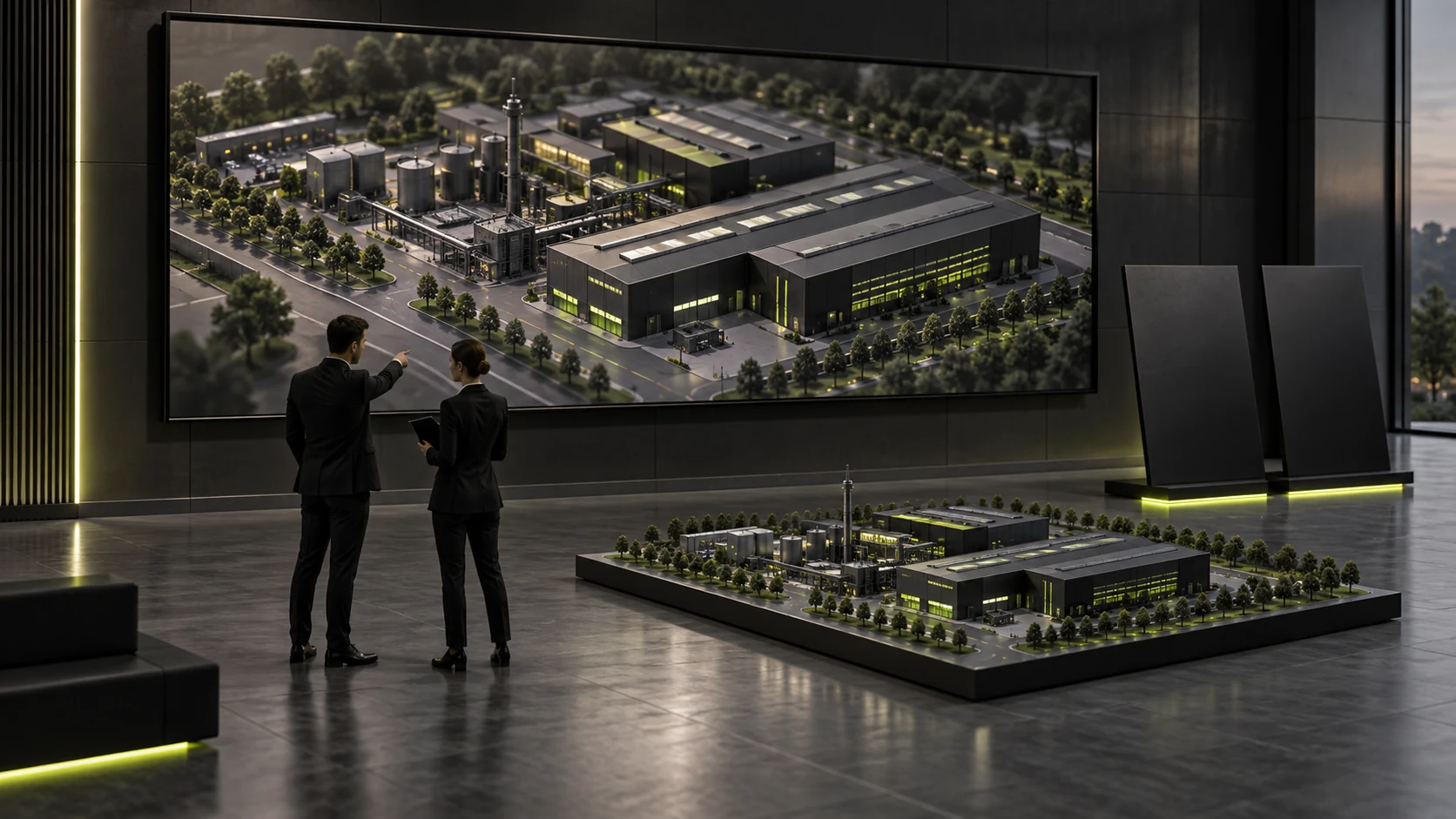
Factory Photos Lack Explanations: How Can Customers Know the Location and Work Stage Shown?
A workshop photo may suggest company ownership, active equipment, work completed in-house and capacity for the customer’s order. Without explanations, these may be inferences from images alone.
Factory photo factual explanations should identify locations, actual objects, stages and scope. Verify original materials before deciding each page’s task. This concerns factual site imagery, not stock selection or visual styles, and photos are not automatic proof of capacity, qualifications or delivery capability.
Find someone able to confirm every photo’s site facts
Identify original sources and shooting records: provider, site, objects and staff who can confirm contents. Filenames and clarity locate materials but do not establish facts.
Use approved public site names. Internal terms may denote whole factories or specific areas. Before “production base,” confirm actual coverage instead of renaming warehouses, showrooms or temporary displays production sites.
Check equipment and products too. Pictured equipment may not serve the page’s product, and components may not belong to current supply. Editors ask about relationships rather than assign series names from similar appearance.
Retain time when it affects understanding. Photos show shooting-time facts, not necessarily unchanged current arrangements. Owners assess continued use from actual changes. Do not invent dates or substitute upload dates for shooting dates.
Record knowns and unknowns separately. Confirmed locations with unclear processes do not justify process names guessed from industry photos. Insufficiently documented images can await confirmation instead of filling sections with unexplained capabilities.
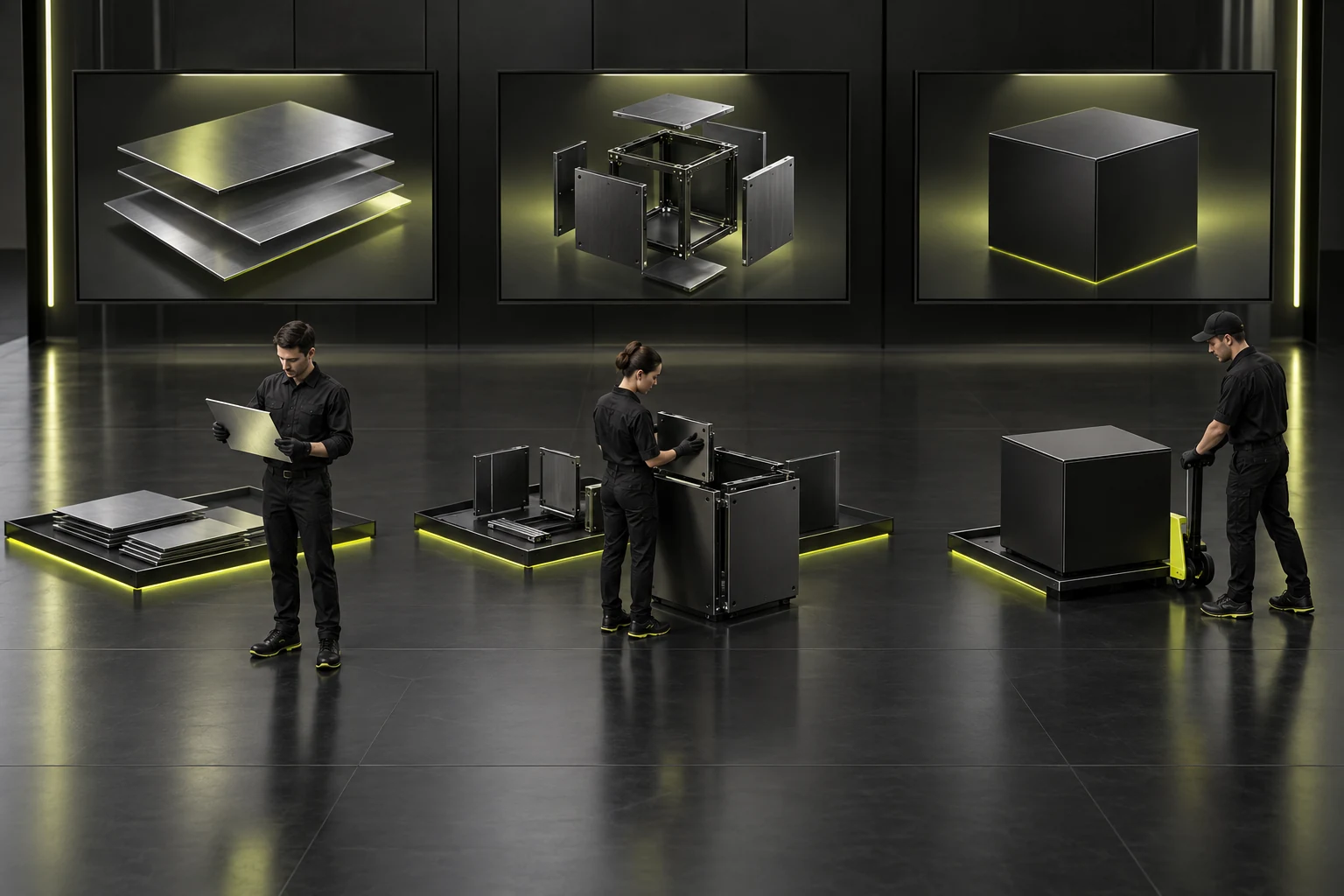
Explain what stage is being shown
After locating the site, identify actual storage, processing, assembly, inspection or packing. Equipment or environment displays without recorded work must not become proof a process occurred.
Short captions can connect site, object and stage, explaining why images appear without disclosing all production details. Omit unavailable material rather than replace facts with broad promotion.
For photos with several areas, limit the discussed object. Identify the main relevant portion instead of treating distant equipment as evidence. Visible composition does not establish relevance to current products.
Separate work records from arranged displays. Staff beside machines are not necessarily performing tasks; neat components do not establish completed inspection. Site owners confirm context; editors preserve scope without converting tidiness into quality conclusions.
For workflow imagery, confirm relationships between neighboring steps. Sequential photos from different sites or objects may imply one product’s complete process. Without that relationship, introduce each independently instead of creating a nonexistent production chain through layout.
Distinguish owned sites, cooperating sites and other sources
Actual business may include owned areas, external cooperation and event visits. Explain relationships accurately. Employee photographs do not establish company ownership of every site and machine; products present do not make a place the company’s factory.
For external cooperation, confirm disclosure and describable relationships. Captions can explain approved task connections without inferring ownership, complete supply chains or exclusive cooperation. Owners confirm names and publication arrangements.
For partner-provided photos, check original objects instead of copying brief chat descriptions. Source verification differs from wording approval. Knowing origin does not confirm capability sentences or permit every use.
Accurate unnamed explanations may remain without changing facts. Undisclosable relationships can narrow tasks or prevent use. Removing another site’s marks and calling it company production changes facts rather than merely layout.
Long explanations are unnecessary for every photo. Determine the task and retain enough relationships to avoid confusion. Origins and scope for capability-assessment images must not remain solely in internal files.
Images alone cannot establish capacity or complete quality workflows
Many visible machines do not quantify current capacity, and neat products do not prove all passed inspection. Photos show objects and site facts; capabilities require documents. Editors must not calculate lead times, quantities or quality from visual scale.
In a hypothetical example, a packing-area photo explains handover preparation beneath “entirely independent production.” Even genuine photos may not support that heading. Return to the actual stage and have owners identify evidence for other processes.
Laboratory or inspection photos do not establish identical methods across all products. Identify objects, tasks and public scope. This article neither interprets inspection rules nor judges qualifications or test validity from imagery. See How Corporate Websites Build Trust with Clients, Proof, and Data for related checks.
Text near prominent images is likely read as its conclusion. Align banners, section headings, captions and body scope. One-stage body text with “all capabilities” on the cover still expands understanding.
For intended capabilities, fact owners should identify evidence and the photo’s role. It may clarify sites or record objects. One image cannot prove staff, processes, scale and supply performance simultaneously or carry all evidence responsibility.
Review final captions and combinations against originals
Show reviewers original photos, used versions, captions and pages. Cropping may remove identifying detail; combinations may introduce relationships. Original-image approval does not approve every final-page interpretation.
Check sources for locations, objects, stages and scope in each caption. Site owners resolve uncertain names instead of editors choosing more attractive terms. Content owners check understanding from headings and imagery, not brand style alone.
Test commonly shared images separately. Can necessary captions be saved with them? Unexplained forwarding invites renewed guesses about sources. Keep accurate explanations nearby instead of requiring another company-introduction page.
Recheck use after facts change. Site purposes, equipment or products may change; owners determine old-image suitability. Quality alone does not justify permanent retention, and caption revisions must not conceal outdated visual facts.
Factory photo factual explanations are complete when capability images have sources, statements stay within actual objects, external relationships are clear and pictured scope does not become every business capability. Real photographs explain real content rather than invent broader company stories. See Manufacturing Brand Upgrade: From Product Strength to Global Expression for related checks.
Frequently Asked Questions
Does an employee taking a photo establish company-owned premises?
No. Photographer identity and site relationships differ. Confirm location and actual company relationships before approved public wording; source identity does not imply ownership.
Can old photos remain on websites?
Decide by current facts and purpose. Describe history accurately or verify current site, object and scope correspondence for capability use. Upload dates do not replace shooting facts.
Must captions give exact factory addresses?
Not necessarily. Approved detail sufficient to identify relationships matters more than quantity. Do not force nonpublic disclosure or let vague names expand site relationships.
Can equipment photos prove a manufacturing process capability?
Not alone. Owners check equipment-to-task relationships and evidence. Photos show objects; capabilities need separate support rather than editorial engineering judgment.
Can several photos form a production workflow?
Only with confirmed object and stage relationships. Different sites or products may be shown separately without sequence falsely implying one complete process.
Need design or website development services?
JVDS Design Studio is a professional design studio focused on digital product experiences and brand identity. We work with businesses in China and overseas that want to strengthen their brand image, improve user experience and grow their business, providing clear, usable UI/UX design, high-quality website design and development, app and mini-program development, and cohesive, distinctive brand identity design.
Planning a corporate website, a multilingual site or a redesign? Tell us about your audience, existing website and the work you need.
 Link copied








