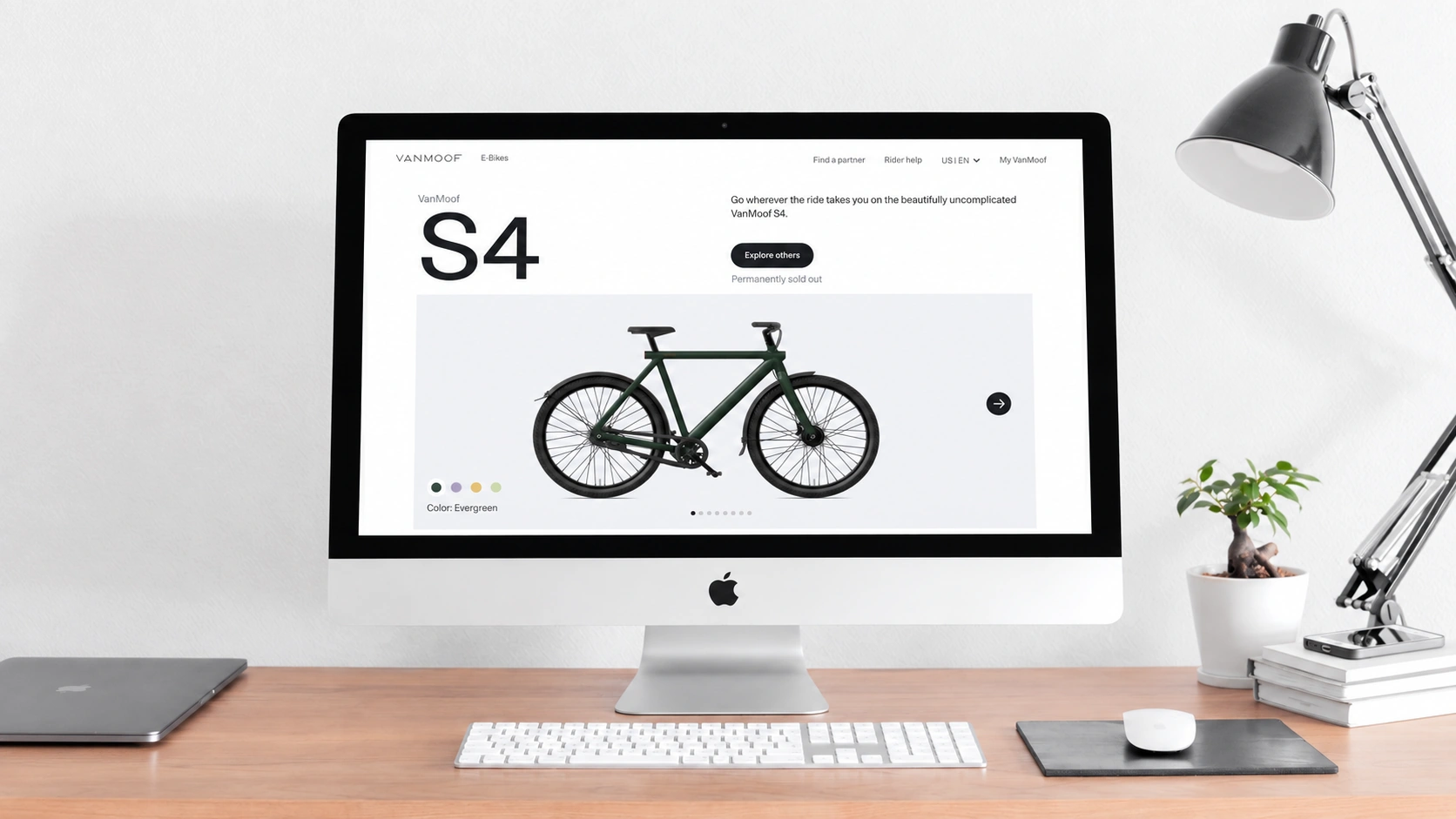
Many international website projects begin with a request for “an English version.” When the project is complete, the grammar may be correct but the site still fails to build trust: the hero uses abstract slogans, product information is incomplete, case studies lack context, the only contact channel is a generic email address, the privacy policy does not match the actual tools, and search pages are based on literal translations of Chinese keywords.
The key to international corporate website design is not an “international visual style.” It is understanding how buyers in the target market make decisions. Countries, industries, and buyer roles vary widely. The website must provide verifiable information and an actionable next step for the real market.
01 Define Target Markets Instead of Writing “Global Customers”
An effective international corporate website brief should answer at least the following:
Question | What Must Be Defined |
|---|---|
Target Countries / Regions | Which markets are priorities and which are merely supported |
Target Customers | Industry, company size, procurement roles, and users |
Core Products / Services | What can be sold, delivered, and supported locally |
Acquisition Channels | Google, industry media, trade shows, distributors, outbound sales, or partners |
Purchase Process | Online ordering, quote request, demo, tender, or channel purchase |
Trust Requirements | Certifications, case studies, factory, technology, security, compliance, or local team |
Contact Channels | Email, phone, scheduling, WhatsApp, forms, or a local partner |
Content Ownership | Who writes, translates, reviews, and maintains content over time |
Differences among international markets are much greater than the difference between Chinese and English. US enterprise procurement, European compliance review, Japanese business communication, and Middle Eastern channel partnerships may require different evidence and workflows. The first release does not need every market. Prioritize regions with existing customers, channels, or a defined investment.
02 Common Differences Between a Chinese Corporate Website and an International Website
These differences are not fixed cultural templates. They come from users’ needs for information, evidence, and action.
Dimension | Common Approach on Chinese Websites | What to Reconsider for International Markets |
|---|---|---|
Hero | Brand slogan, broad capabilities, and ambitious language | Audience, problem, product, differentiation, and primary CTA |
Product Information | Relies on sales explanations or PDFs | Specifications, use cases, and resources available on the Web page |
Trust | Company scale, awards, and partner Logos | Verifiable case studies, team, certifications, addresses, and terms |
Contact | WeChat, mobile phone, and a general form | Email, scheduling, phone, regional forms, and response expectations |
Content | More company-centered introductions | User problems, use cases, procurement evidence, and support content |
Legal | Generic privacy copy | Accurate alignment with the target region, Cookies, and real data processing |
SEO | Chinese keywords and the domestic search ecosystem | Google search intent and SERPs in the target language |
Design | Emphasis on visual impact or information density | Must still fit the industry; there is no universal “international style” |
This table should not be read as “international users only like simplicity.” Complex industrial, financial, and technical procurement also requires substantial information. The difference is that information needs a clear hierarchy and supporting evidence instead of being crowded into the hero or hidden in a sales brochure.
03 The Hero Should Answer Four Questions Within Ten Seconds
- Who are you, or what do you provide?
- Whom do you primarily serve?
- Which critical problem do you solve?
- What can the user do next?
An Unclear Approach
A sentence such as “Empowering the future through innovation” could describe almost any company and says nothing about the business.
A More Actionable Structure
“Multilingual product catalogs and distributor-inquiry websites for European industrial-equipment manufacturers—from product data and website design through frontend development and CMS implementation.”
This may not be final copy, but it names the audience, service, and scope. Brand expression can build on those facts instead of replacing them.
Choose the Primary CTA According to the Business
- Standard products: View Products / Get a Quote;
- SaaS: Book a Demo / Start a Trial;
- Professional services: Discuss Your Project / Request an Assessment;
- Complex industrial solutions: Talk to an Engineer / Download Specifications;
- Channel business: Find a Distributor / Become a Partner.
Button copy should clarify the action and outcome. “Learn More” should not be the only CTA across the entire website.
04 Rewrite English Content Instead of Translating Sentence by Sentence
Chinese copy often omits the subject, combines abstract phrases, and uses long sentences. A sentence-by-sentence translation may be grammatically correct but still lack a clear audience and evidence.
Four Levels of Content Adaptation
Level | Work | Appropriate Content |
|---|---|---|
Accurate Translation | Preserve facts, specifications, and legal meaning | Technical specifications, contract fields, and certifications |
Localization | Adapt dates, units, addresses, currencies, and contact details | Products, forms, support, and regional pages |
Transcreation | Rewrite the expression while preserving intent | Brand proposition, homepage, and advertising |
Native SEO Writing | Plan content around local queries and SERPs | Service pages, comparison pages, articles, and FAQs |
Create a glossary before translating in bulk. Include brand names, product names, features, industry terminology, capitalization, button labels, and prohibited wording. Core pages also need review by a native or near-native professional familiar with the industry, so the content is not merely understandable but credible.
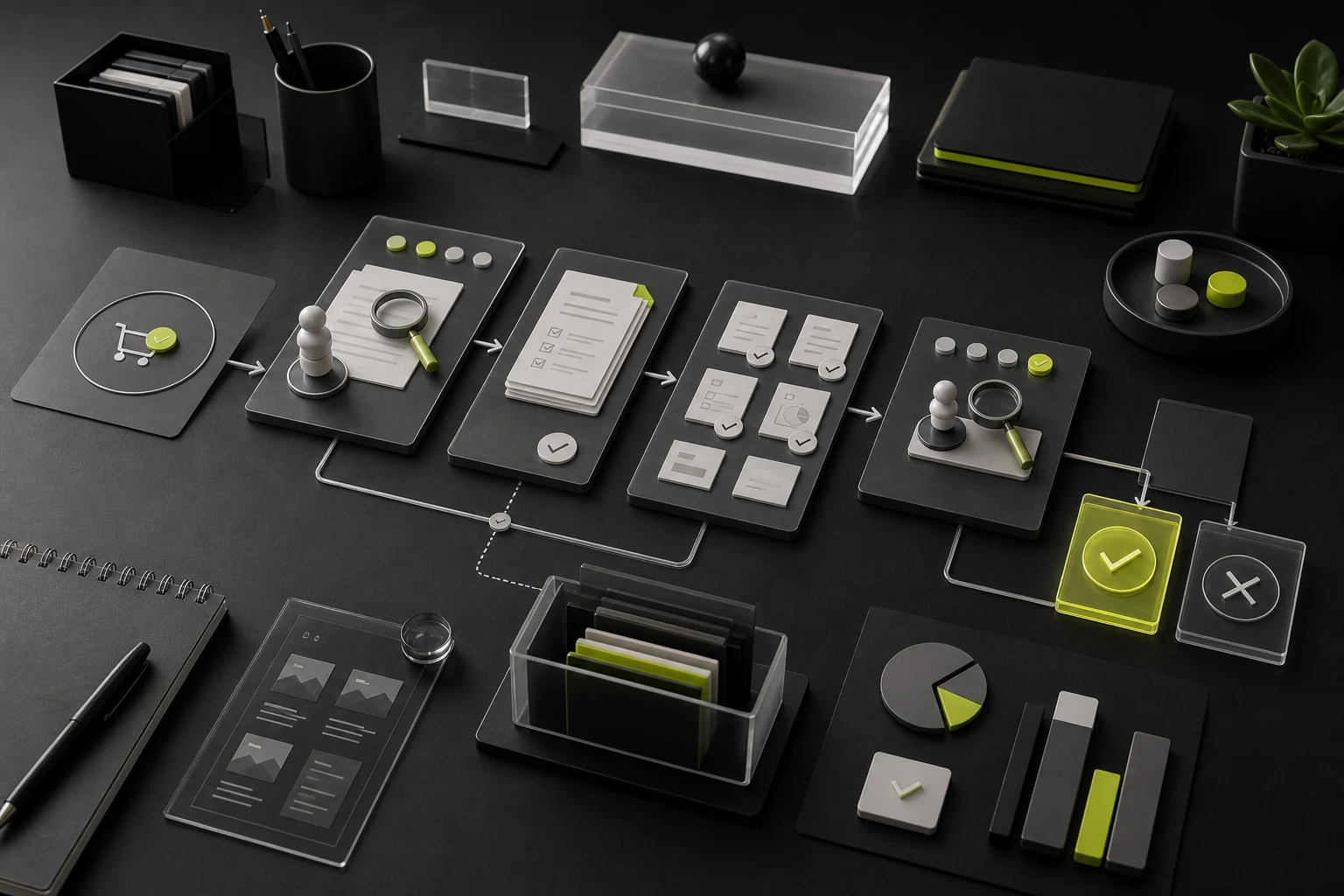
05 Product and Service Pages Must Provide Procurement Evidence
Industrial and Manufacturing Products
Provide product families, models, key specifications, certifications, drawings, data sheets, applications, delivery regions, samples, and technical-inquiry options. Product images and one “high quality” claim cannot support engineering or procurement evaluation.
SaaS and Digital Products
Show use cases, product interfaces, workflows, integrations, security, deployment, pricing or quotation method, implementation, and support. Users should not have to request a demo before they can understand foundational functionality.
Professional Services
Define whom the service is for, scope, process, deliverables, timeline, case studies, and collaboration model. A portfolio without an explanation of the business problem and responsibilities makes provider comparison difficult.
Page Element | Purpose |
|---|---|
Intended Audience | Help users qualify themselves quickly |
Problems and Scenarios | Connect to real needs instead of internal feature names |
Method and Scope | Explain precisely what the provider does |
Evidence | Case studies, products, certifications, team, or data |
Boundaries | Explain exclusions and applicable conditions |
Next Step | Quote, demo, resources, or inquiry |
06 How International Buyers Assess an Unfamiliar Company
Company Identity
The legal company name, registered address, real office or factory information, contact details, and team introduction should be consistent. If the website, email domain, and contracting entity are completely different, perceived risk increases.
Verifiable Case Studies
A case study should explain the customer context, service scope, process, launch outcome, and applicable conditions. It may be anonymized when the customer has not granted permission, but it must not fabricate a famous brand or performance figures.
Professional Materials
Technical white papers, specifications, certifications, processes, contract terms, privacy information, and service descriptions reduce evaluation effort. Maintain versions and expiration dates.
People and Responsiveness
Clarify who owns each market, support time zones, response times, and communication languages. A general form with no expectation after submission weakens trust.
External Signals
Industry associations, media, partners, authentic customer reviews, and third-party platforms can provide supporting evidence. They should be clickable and verifiable, not a vague Logo wall.
07 Case Study Pages Must Support Forwarding Across the Buyer’s Company
International B2B buyers may forward a case study to executives, business teams, IT, and procurement. The page should help each stakeholder find:
- Customer type, market, and project context;
- The original problem and reason for change;
- The provider’s actual service scope;
- Key decisions and technical or design tradeoffs;
- Launch approach, timeline, and collaboration;
- Outcomes, evidence, and limitations;
- Related products, services, and next step.
If outcomes cannot be disclosed, explain the delivery, process, and decisions instead of inventing an “80% conversion increase.” Limited, verifiable information is more persuasive than an exaggerated anonymous success story.

08 Contact and Conversion Paths Should Match Target-market Habits
Forms Should Be Neither Too Long nor Too Short
An initial inquiry can collect name, business email, company, project type, objective, and timing. Complex technical parameters can be submitted as an attachment or in a follow-up form. Requiring dozens of fields blocks early conversations; collecting only a name and message makes lead routing difficult.
Offer Several Levels of Commitment
Visitor State | Appropriate Action |
|---|---|
Initial Research | Read case studies, download resources, or review FAQs |
Solution Comparison | Request a scope assessment, watch a demo, or obtain technical materials |
Defined Project | Submit requirements, schedule a meeting, or request a quote |
Channel Partnership | Contact a regional representative or apply to partner |
Existing Customer | Enter support, documentation, or ticketing |
Set Clear Response Expectations
After submission, state which team will respond, the expected response time, and supported languages and time zones. The automated email should use the same brand domain and include a summary of the submission and a privacy notice.
09 Begin Google Search and Multilingual SEO with Local Queries
English keywords cannot be created by translating Chinese keywords directly. Users may use different terminology, questions, and purchasing language. Research the target country’s search results for every core page:
- Is the searcher looking for a service, product, tutorial, or comparison?
- Are Google’s top 10 results product pages, directories, articles, or platforms?
- How do local competitors explain scope, pricing, and evidence?
- Which questions remain insufficiently answered?
- Which same-intent keywords can one page cover?
- Does the market require a separate regional or language page?
Technically, every language version needs a dedicated URL, the correct language attribute, and language-alternative annotations. Add important service and product pages to the sitemap, and control indexing for temporary filters and duplicate parameter pages.
10 Privacy, Cookie, and Legal Content Must Match the Real Website
A privacy page is not a generic template. Audit what the website actually uses:
- Forms and contact data;
- Analytics, advertising, and session tools;
- Cookies and local storage;
- CRM, email, and scheduling systems;
- Video, maps, fonts, or third-party embeds;
- Data recipients, storage regions, and retention periods;
- Processes for access, correction, deletion, or withdrawal of consent.
When serving EU users, assess GDPR and Cookie requirements against the real business. This article is not legal advice; qualified professionals should review the implementation. Do not claim “fully GDPR compliant” without an actual assessment.

11 Performance and Accessibility Directly Affect the International Experience
International visits may cross regions and network environments. Heavy images, video, fonts, and scripts can materially degrade the experience. Recommended actions include:
- Use hosting and a CDN appropriate for target regions;
- Compress images and video, and load them according to device;
- Limit the number of third-party scripts and fonts;
- Set dimensions and loading priority for important resources;
- Check mobile forms, buttons, and keyboards;
- Provide alt text for images and labels and error messages for forms;
- Ensure text contrast, keyboard operation, and visible focus;
- Test real speed and usability in target regions.
A more “international” visual style should never come at the expense of readability or speed. The primary job of a corporate website is to help users access information reliably and complete actions.
12 A Phased Roadmap for an International Corporate Website
Phase 1: Market and Content Strategy
Define priority countries, roles, product scope, acquisition channels, languages, evidence, and conversion methods. Complete competitor and search-result research.
Phase 2: Core English or Target-language Website
Complete the homepage, products or services, case studies, about, contact, privacy, and foundational resources. Establish URLs, the CMS, and analytics.
Phase 3: Local-market Pages
Add regional case studies, contacts, certifications, channels, terms, and local-search content. Only markets with real operations should enter this phase.
Phase 4: Content and Sales Alignment
Continuously update pages, articles, comparisons, FAQs, and downloadable materials according to sales questions and search data. Connect the CRM to review lead quality.
Stage | Success Criteria |
|---|---|
Market Definition | Every language and region has a real business objective and owner |
Core Launch | Users can understand, verify, and contact the correct team |
Search Growth | The target market gains relevant non-brand impressions and clicks |
Commercial Conversion | Form quality, opportunities, and the response process can be tracked |
Ongoing Governance | Products, case studies, policies, and content are updated on schedule |
13 Pre-launch Checklist
- Target markets, languages, and product scope are approved;
- English or local-language content has professional review;
- Company identity, address, email, and contracting entity are consistent;
- Key products, services, case studies, and materials are verifiable;
- CTAs and contact channels match the market and time zone;
- Forms work and route to the correct sales team;
- Dedicated URLs, titles, descriptions, language attributes, and the sitemap are correct;
- Privacy, Cookies, and third-party tools match actual use;
- Mobile, performance, fonts, long text, and accessibility testing is complete;
- Search Console, analytics, CRM source fields, and conversion events are configured;
- A content owner and update plan exist, so the site will not be abandoned after launch.
Frequently Asked Questions
1. Will an English Website Automatically Attract International Customers?
No. A website is a foundation for acquisition and trust. It still needs real entry points through search, trade shows, sales, channels, advertising, or content. English pages do not create demand automatically.
2. Should an International Corporate Website Use .com or a Country Domain?
It depends on the market, brand, and operating structure. A unified global brand often uses .com with language or regional subdirectories. Independent regional operations may use a country domain. Maintenance and SEO costs should also be considered.
3. Must an English Website Use a Foreign Design Style?
There is no universal “foreign style.” Design should fit the industry, brand, and user tasks. Clear content, authentic evidence, speed, and accessibility matter more than applying a visual trend.
4. Should Product Pricing Be Public?
Standardized products and SaaS can publish prices or starting prices. Complex custom projects can explain pricing logic and cost factors. Hiding all pricing increases low-quality conversations, but the decision should still reflect channel and sales strategy.
5. Can Chinese Case Studies Be Translated Directly for the English Site?
Use them selectively and add the context, scope, terminology, and outcome conditions required by international readers. Not every domestic case study will build trust in the target market.
6. How Often Should an International Corporate Website Be Updated?
Update products, contact details, legal information, and core case studies whenever they change. Update industry content and SEO continuously based on data. Review key pages and links at least quarterly and conduct a complete annual review.
Conclusion: An International Corporate Website Is a Market-entry Tool, Not a Translation Project
An effective international corporate website helps an unfamiliar customer understand the company, verify its capabilities, assess fit, and take the next step without a salesperson present. It connects brand, product, search, sales, technology, and compliance.
Choose real markets first, then establish local-language content, trust evidence, conversion channels, and ongoing operations. Only then can the website become a long-term international business asset instead of a set of English pages that quickly becomes outdated.
Need design or website development services?
JVDS Design Studio is a professional design studio focused on digital product experiences and brand identity. We work with businesses in China and overseas that want to strengthen their brand image, improve user experience and grow their business, providing clear, usable UI/UX design, high-quality website design and development, app and mini-program development, and cohesive, distinctive brand identity design.
Planning a corporate website, a multilingual site or a redesign? Tell us about your audience, existing website and the work you need.
 Link copied