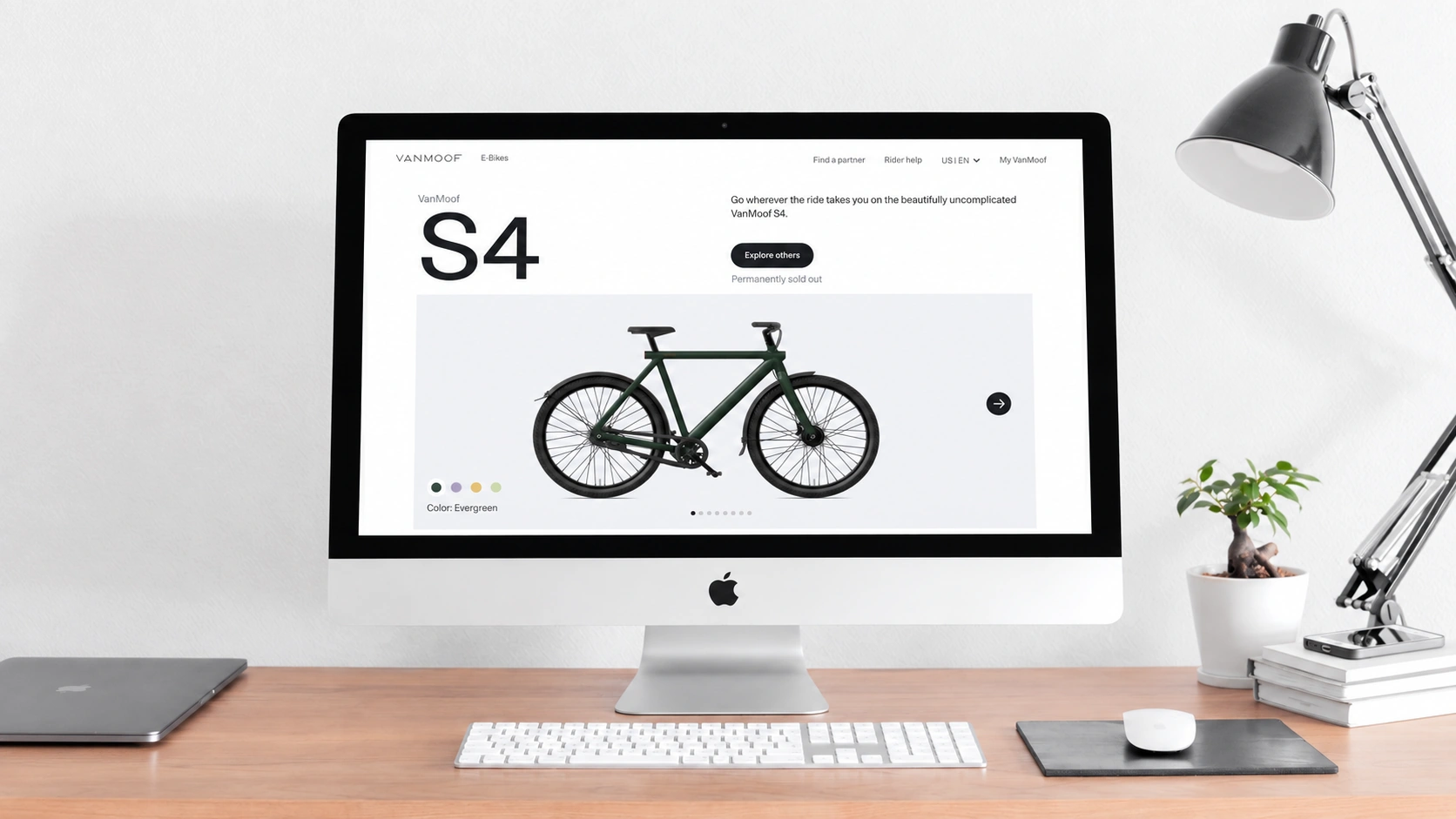
People often ask what makes a good website user experience, but far fewer ask what creates a poor one. A weak experience affects not only users' impression of the company but also its future growth. Website professionals should understand the characteristics of both good and bad sites so problems can be prevented during development. What kinds of websites deliver a poor experience? Below, Beijing web design professionals explain in detail.

Balance Content and Design
A corporate website should attract attention, encourage users to stay, and increase clicks and visits. More important, however, is helping users find the content they need. A sophisticated, attractive design still fails if people cannot locate the right information. When visual appeal is combined with clear guidance and comfortable interaction, the website is far more successful.
Excessive Loading Time
According to the source, if a corporate website still has not opened after ten seconds, it may lose 90% of its customers. A site expected to attract visitors and inquiries can instead produce disappointment when pages are inaccessible. Slow websites also fail to meet optimization requirements and are unlikely to be favored by major search engines.
Cluttered Interface Design
Many companies make the mistake of placing an overwhelming amount of content and too many elements into a small website. At first glance, this may seem to maximize the information presented. In practice, however, a cluttered page divides attention and makes key information difficult to find, gradually reducing clicks.
Poor Accessibility
Modern websites have moved toward responsive formats that adapt to screen size. Users do not need to manipulate horizontal scrollbars or struggle with text that is too large or small. An outdated site that cannot respond on mobile devices delivers poor accessibility and can lose traffic, customers, and sales.
Overdesigned Navigation
Beijing web-design professionals consider concise navigation essential to a good website. Some clients believe elaborate, complex navigation better expresses the company's stature. In practice, multilayer navigation and deep dropdowns often do not fit current needs and are not recommended except in special circumstances.
Outdated Web Interface Design
Some corporate websites still use styles from many years ago. They may have looked novel and fashionable at the time but now feel outdated. With website standards evolving quickly, a site that is not updated regularly may weaken confidence in the company's professionalism and capabilities.
These are the source's main examples of website problems that harm user experience. Understanding them helps businesses avoid similar results. Website quality can affect future growth; paying less for a disorganized site may deliver less value than investing in a well-designed one.
Need design or website development services?
JVDS Design Studio is a professional design studio focused on digital product experiences and brand identity. We work with businesses in China and overseas that want to strengthen their brand image, improve user experience and grow their business, providing clear, usable UI/UX design, high-quality website design and development, app and mini-program development, and cohesive, distinctive brand identity design.
Planning a corporate website, a multilingual site or a redesign? Tell us about your audience, existing website and the work you need.
 Link copied