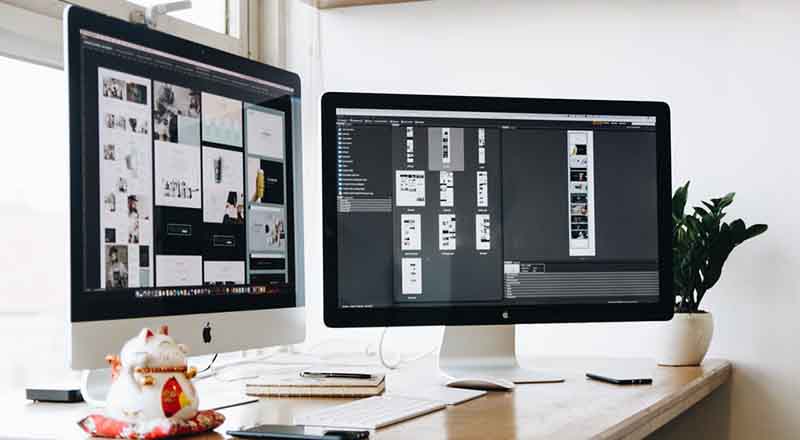
VI design is commonly associated with graphic applications such as newspapers, advertisements, business cards, photography, and brochures. UI design may be less familiar. It is the design of software interfaces and can be an important product differentiator. An attractive UI creates a more comfortable experience. WhatBeijing UI designprinciples should be followed? The following points explain the fundamentals.
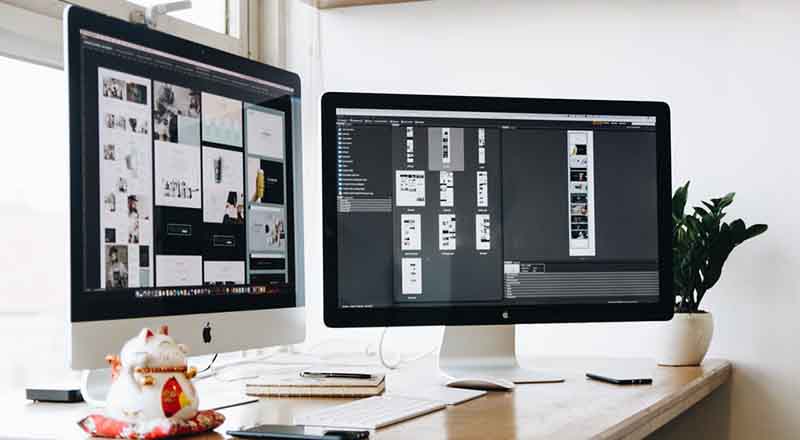
A UI should be concise so users can operate it easily, understand the product at a glance, and avoid errors when making choices. The interface should use the language of its users rather than arbitrary wording chosen by the designer, with Chinese or English selected to suit the audience. UI design should also begin from the user's perspective, support what users want to do, and reflect familiar habits. Every interface should be clear, with a consistent structure and style, making the product easier to learn, use, and remember.
Beijing UI design also requires stability, security, and a human-centered approach. Thoughtful handling improves efficiency and user satisfaction. The interface should remain flexible: important functions should not be hidden too deeply or limited to a single path. Designers need to give these areas careful attention.
The Beijing UI design process includes several steps. First, identify the target users, collect information about their habits and preferred interaction methods, and understand how they communicate. Then provide prompts and guidance for user actions. Design objectives should remain consistent even across different components; element appearance and interaction behavior, for example, should follow the same goals. Finally, the designer must apply usability principles so each software element supports the functions users need.
Need design or website development services?
JVDS Design Studio is a professional design studio focused on digital product experiences and brand identity. We work with businesses in China and overseas that want to strengthen their brand image, improve user experience and grow their business, providing clear, usable UI/UX design, high-quality website design and development, app and mini-program development, and cohesive, distinctive brand identity design.
Working on a B2B system or an app? Share your current screens and key user tasks so we can discuss the design scope.
 Link copied