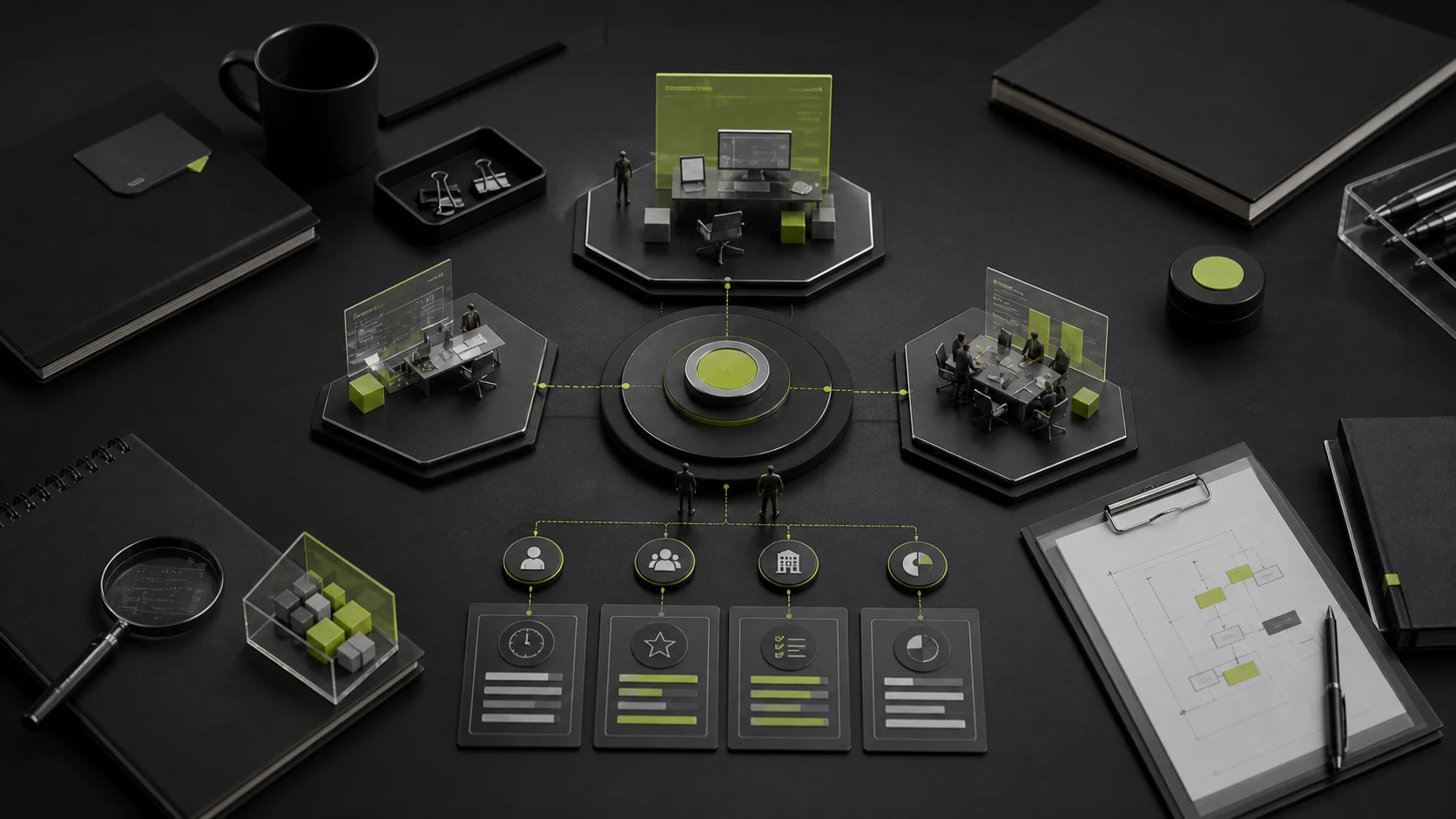
Freelancers, design studios, and agencies are not three ascending levels of quality. An experienced freelancer may understand the business better than a large agency’s junior delivery team. A small studio may move more effectively on a complex website or product experience. A mature agency may have an organizational advantage on multi-role, multi-market, and long-term governance programs.
The real questions are who remains accountable when the project becomes complex, runs late, or loses a team member; how many disciplines the work requires; and whether the product must be maintained and expanded after delivery.
01 Typical Characteristics of Each Partner Type
Type | Strengths | Main Risks |
|---|---|---|
Freelance designer | Direct communication, lean cost structure, and clear individual style and capability | Single-person dependency, schedule changes, limited role coverage, and continuity questions |
Design studio | High involvement from senior members, flexible collaboration, and coverage from strategy through execution | Limited capacity; parallel-project load and backup arrangements must be verified |
Design agency | Complete roles, mature processes and contracts, and support for large or long-term programs | More management layers, possible differences between pitch and delivery teams, and higher cost |
02 Do Not Use Headcount as a Substitute for Capability
Companies often treat team size as reassurance, but a large organization does not mean many people will work on your project. Ask for the actual delivery team: who owns strategy, UX, visual design, project management, and design QA during development? Confirm whether the senior people in the pitch will remain involved during execution.
Do not evaluate a freelancer only through portfolio images either. Confirm whether the person can handle research, information architecture, prototyping, design systems, responsive behavior, handoff standards, and engineering collaboration—and who will cover work beyond their capabilities.
03 Choose Based on Project Risk, Not Budget Size
Risk Dimension | Lower-Risk Project | Higher-Risk Project |
|---|---|---|
Business complexity | One flow, few screens, and clear goals | Multiple roles and permissions, long workflows, and unresolved business rules |
Schedule risk | Flexible timing with no fixed launch event | A fixed funding, trade show, launch-window, or campaign date |
People risk | The client can manage the practitioner directly | Several departments and decision-makers, with a need for reliable backup |
Technical risk | Visual-only work or standard pages | Complex engineering, systems integration, security, and compliance |
Brand risk | Limited internal use | Public launch, national or international campaigns, and long-lived brand assets |
Continuity risk | A small one-time task | Multiple releases, ongoing maintenance, and design-system governance |
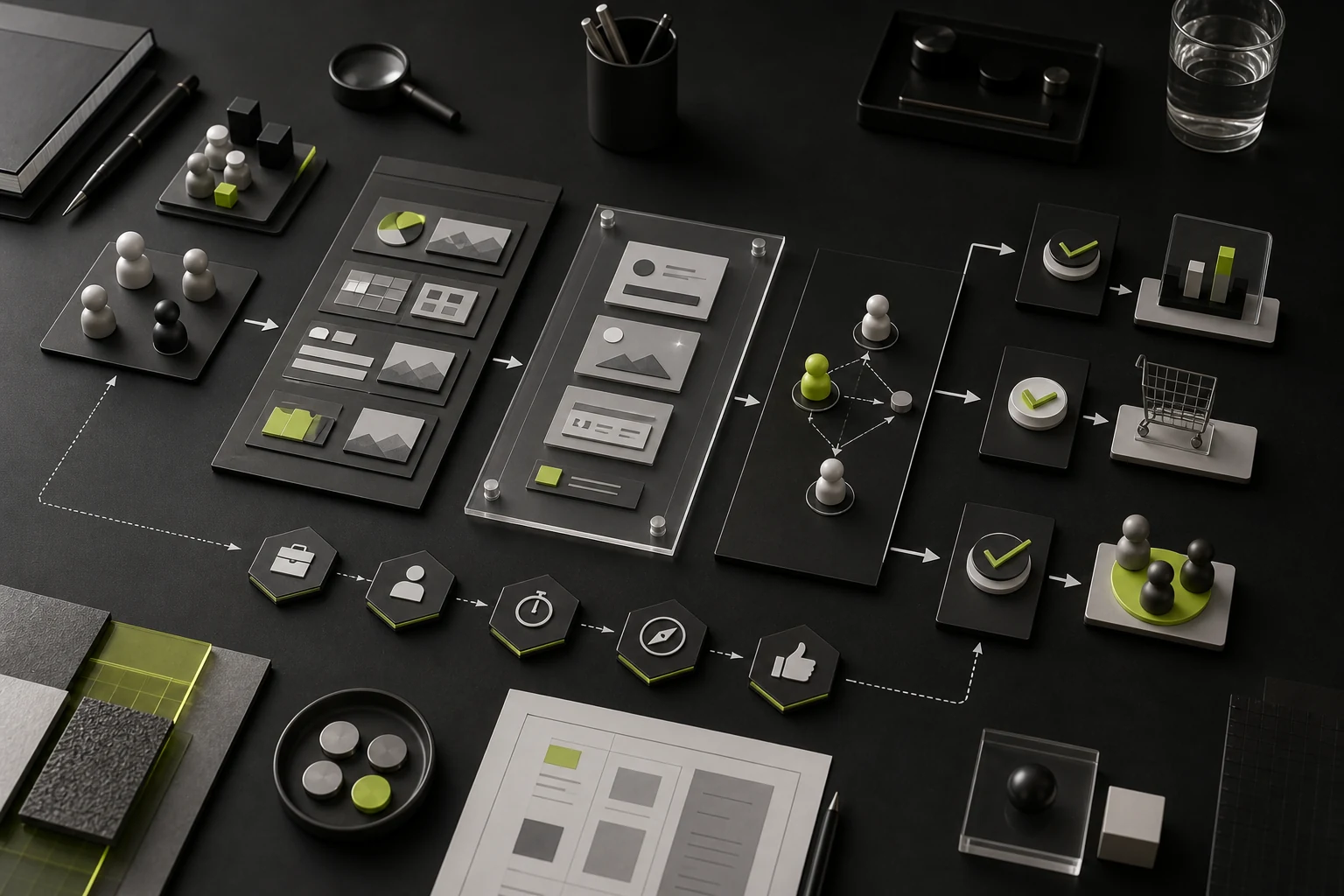
04 Projects That Fit a Freelance Designer
- The screens and deliverables are already clear, and the company does not need to redefine product direction.
- The project mainly requires one specific capability, such as iconography, visual refinement, a presentation prototype, or a focused redesign.
- An internal product manager and engineering team can own requirements, schedule, and acceptance.
- The decision chain is short, with few reviewers and frequent direct communication.
- The timeline is flexible and includes contingency for illness, scheduling conflicts, and emergencies.
A freelancer is a weaker fit when requirements are still undefined, many people must work in parallel, extensive research and engineering collaboration are required, or failure would create substantial business loss. In those cases, the lowest quote may not produce the lowest total cost.
05 Projects That Fit a Design Studio
A studio is usually a small core team led by one or more principals. It works well when a company wants senior practitioners directly involved without the management layers of a large agency. Corporate websites, rebrands, mobile app or UI redesigns, enterprise systems, and mid-sized SaaS products often benefit from a studio’s communication efficiency and custom depth.
- The work needs strategy, UX, visual design, and engineering collaboration, but not dozens of people.
- Senior design leadership should remain involved instead of appearing only in the pitch.
- The project requires tailored work rather than standardized templates or production-line delivery.
- The company wants fast decisions with more stability and backup than one individual offers.
- Quality, responsiveness, and direct communication matter.
06 Projects That Fit a Design Agency
Large or mature agencies have advantages in brand architecture, cross-market research, complex organizational coordination, long-term design governance, and delivery at scale. Group-wide redesigns, multiple sub-brands, multilingual systems, several product lines, and embedded long-term engagements often require stable project management, legal and procurement support, and teams that can work in parallel.
Still, verify the actual delivery team. The agency’s brand, awards, and client list are useful context, but they do not replace evidence about assigned people, working methods, and deliverables.
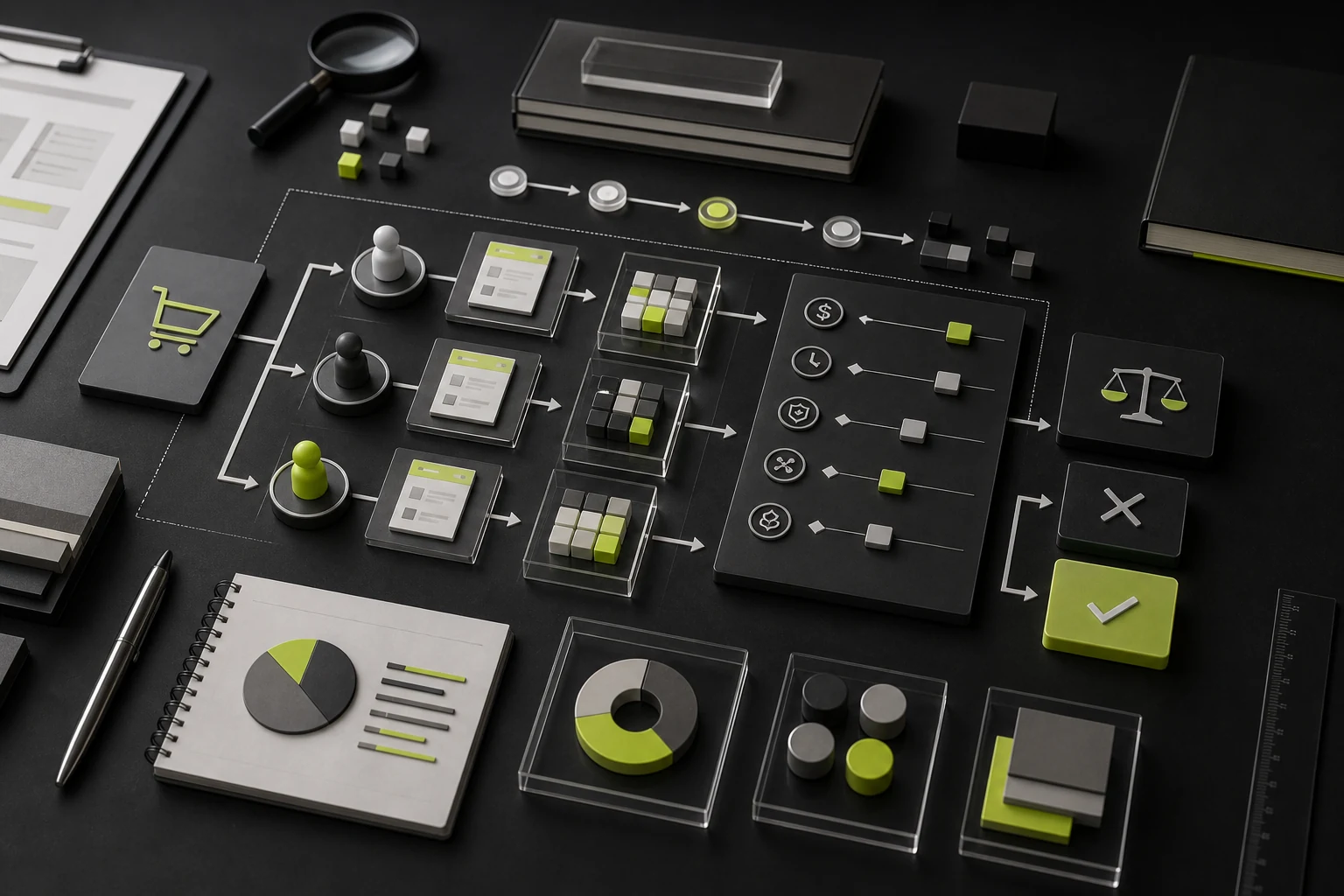
07 Cost Is More Than the Quoted Fee
Cost Area | Freelancer | Studio | Agency |
|---|---|---|---|
Direct fee | Usually lower | Mid-range, depending on senior involvement | Usually higher, including management and organizational overhead |
Client management effort | Higher; the client manages scope and schedule directly | Moderate; usually includes a project lead | Low to moderate; more complete process but more meetings |
Rework risk | Depends on the individual’s breadth | A core team can reduce handoff loss | Process is controlled, but changes across delivery levels can introduce drift |
Continuity cost | Schedule and health create single-person risk | Backup and capacity need confirmation | Usually has a resource pool, though team changes still require management |
Future expansion | Good for limited ongoing collaboration | Good for iterative mid-sized products | Good for long-term, multi-market, multi-team governance |
08 Five Questions More Important Than the Portfolio
- Who will actually work on this project, and how much time will each person commit?
- If requirements are incomplete, how will you turn the problem into a designable scope?
- What was genuinely difficult in the most similar project, and which trade-offs did you make?
- If a key person becomes unavailable, how will the work be transferred?
- How will you support engineering, acceptance, and later releases after design delivery?
09 Three Typical Selection Scenarios
Project Scenario | Better Fit | Reason |
|---|---|---|
An existing product needs a visual refresh across ten screens; internal product and engineering teams are mature | Senior freelancer or small studio | Scope is clear; visual skill and direct collaboration matter most |
A 30-page corporate website needs strategy, UI, responsive design, and development QA | Design studio or integrated team | Several capabilities are needed, but principal involvement and speed matter |
A group rebrand spans several countries, sub-brands, and long-term governance | Mature agency or lead contractor plus specialist teams | Requires research, organizational coordination, legal support, and sustained resources |
A complex enterprise system has many roles and permissions, with engineering handled internally | Product design studio or agency with enterprise expertise | The core needs are business abstraction, a design system, and engineering collaboration |
The budget is very low and requirements remain unclear | Start with a paid discovery engagement before selecting a delivery team | Avoid using inexpensive execution to conceal undefined scope |
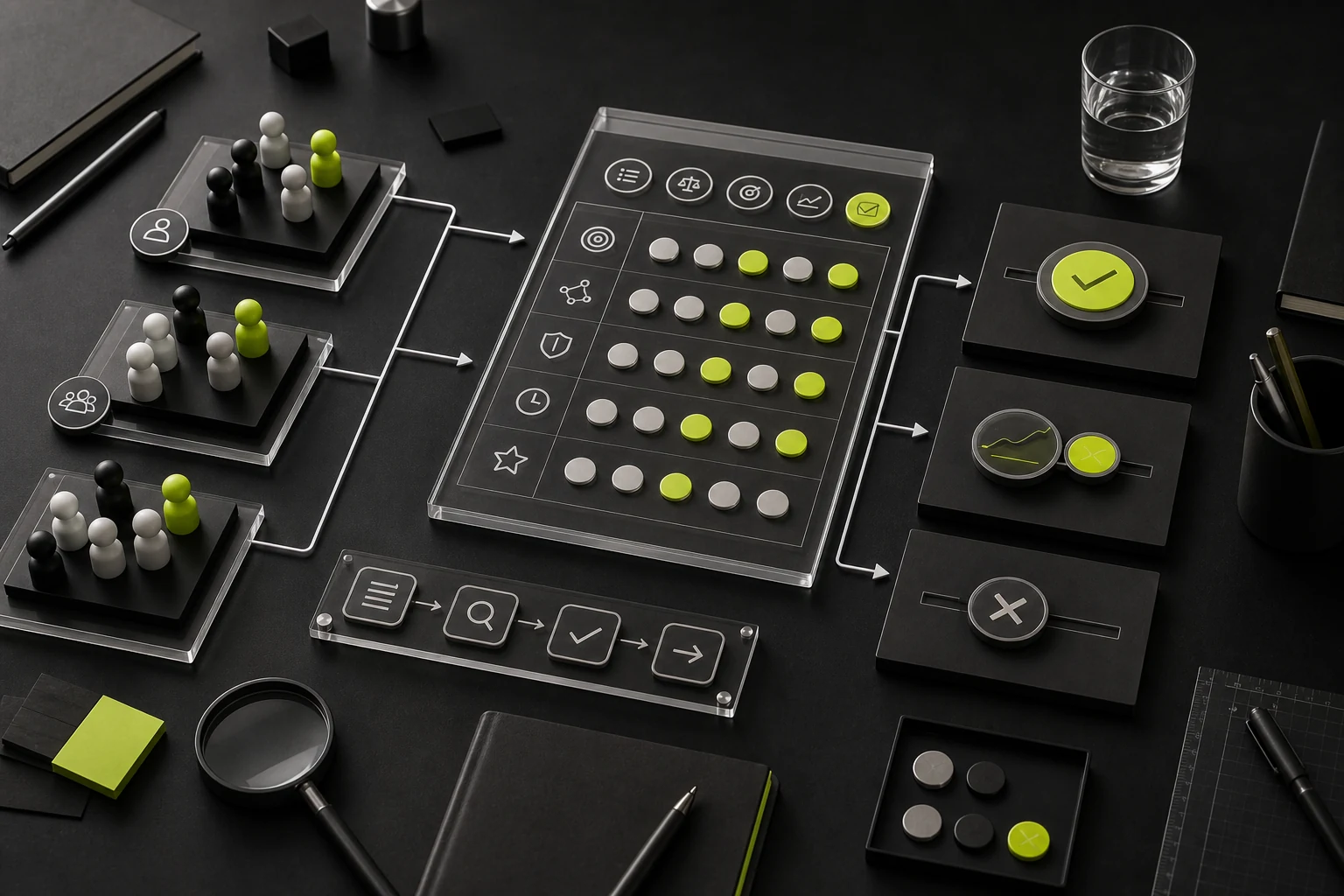
10 A Scorecard That Does Not Favor Team Size
Criterion | Weight | Evidence |
|---|---|---|
Business understanding and problem definition | 20 | Can the team restate business goals, users, and success criteria? |
Relevant work and actual role | 15 | What exactly did they own, and can they explain the process and trade-offs? |
Assigned project team | 15 | Members, allocation, experience, and backup |
Complete delivery | 15 | Flows, states, components, responsive behavior, source files, and documentation |
Project management | 10 | Scope, schedule, feedback, change, and risk mechanisms |
Engineering collaboration and acceptance | 10 | Design QA, defect management, and launch support |
Continuity and maintenance | 10 | Future iteration capacity and takeover model |
Pricing and contract transparency | 5 | Comparable quote, clear boundaries, and no hidden lock-in |
The scorecard is not intended to create perfect objectivity. It prevents one surface advantage from dominating the decision. A freelancer, studio, or agency can all be the right choice when key risks are supported by evidence and the engagement boundaries are clear.
Frequently Asked Questions
Is a freelancer always cheaper than an agency?
The direct quote is usually lower, but the company takes on more requirements management, scheduling, coordination, and continuity risk. Compare complete delivery and total cost.
Can a small studio handle a large project?
Yes, but verify its partner network, project management, parallel capacity, and backup plan. Organizational capability matters more as the project grows.
Is a large design agency always more professional?
Scale provides resources and process, but the assigned team determines quality. Confirm that the people in the pitch match those doing the work.
How can we prevent a lead designer from being replaced mid-project?
Name key roles, change-notification requirements, replacement qualifications, and handoff obligations in the contract or statement of work.
What should we preserve when the budget is limited?
Protect discovery, core workflows, priority screens, and developer handoff standards rather than reducing all research and validation to maximize screen count.
Service | View |
|---|---|
UI/UX design services | |
Corporate website design | |
Project inquiry |
Need design or website development services?
JVDS Design Studio is a professional design studio focused on digital product experiences and brand identity. We work with businesses in China and overseas that want to strengthen their brand image, improve user experience and grow their business, providing clear, usable UI/UX design, high-quality website design and development, app and mini-program development, and cohesive, distinctive brand identity design.
Working on a B2B system or an app? Share your current screens and key user tasks so we can discuss the design scope.
 Link copied