


Website & Design Insights
All Insights
 Web Insights
How to Design a B2B Product Page
Some product pages look like promotional posters, filled with value claims but missing specifications. Others resemble internal databases: every parameter is present, yet no one can tell which use case the product fits. Both force the buyer to do the hard work of interpretation.
 Interface Design
Native or Cross-Platform App Development?
Technology debates often begin before requirements are clear: some insist that only native development is professional, while others claim cross-platform development can cut costs in half. In practice, the mistake is not choosing one technology or another; it is replacing project conditions with marketing labels.
 Web Insights
How to Design a Mobile Corporate Website
A corporate website may feel clear on a desktop yet turn into dense copy, horizontal tables, hard-to-tap buttons, and endless scrolling on a phone. The problem is not only responsive code; the desktop information hierarchy has not been reconsidered.
 Branding
When Does a Company Need a Brand Refresh? 6 Business Signals and 3 Wrong Reasons
After a brand has been in use for several years, internal teams may easily feel that it is “not new enough” or “does not look like today’s technology companies.” If the business positioning, customers, and products have not changed, replacing the visual identity usually provides only short-term novelty while eroding existing recognition.
 Interface Design
How to Plan an App MVP: Build Now, Later, or Not at All
Many first-release apps appear feature-rich but lack one smooth path. Registration, home, community, commerce, and messaging all exist, yet users still do not know what to accomplish on their first visit. The problem is usually not too few features, but an unclear validation goal.
 Web Insights
DTC Website Design: Brand Story, Product Proof, and Purchase Paths
Many DTC homepages create a strong mood, yet users must scroll for a long time to learn what is sold, why it is worth buying, and when it will arrive. Other sites offer only promotions and product cards, producing short-term sales without building brand memory.
 Interface Design
Scientific Software Design: Complex Tasks, Parameters, and Traceability
The most common problem in scientific computing platforms is not missing functionality, but that users need verbal training and trial and error to complete their first task. Numerous parameters, long-running jobs, complex data sources, and one changed setting can make results impossible to compare.
 Web Insights
Medical Device Website Design: Specifications, Evidence, and Compliance
If a medical device page speaks only of precision, efficiency, and intelligence, professionals cannot evaluate departments, model differences, clinical evidence, or conditions of use. If it presents only specifications, decision-makers struggle to understand the value.
 Branding
How Many Logo Concepts Should a Design Project Include?
Clients worry that too few concepts mean no choice, while design teams worry that too many consume time on weak directions. The real issue is whether each concept represents a different strategy, has been tested in context, and includes an appropriate number of refinement rounds after selection.
 User Experience
Managing Remote Design and Development Collaboration
Remote projects rarely fail because people cannot meet face to face. They fail because information is scattered across chat, email, conversations, and different file versions. Everyone stays busy, but no one knows which version is final or who is waiting on whom.
 User Experience
How Many Design Revision Rounds Are Reasonable?
A contract says three revision rounds. The client interprets that as three complete redesigns, while the design team understands it as three refinements within one direction. Both believe their interpretation is reasonable, and the dispute often emerges late in the project.
 Branding
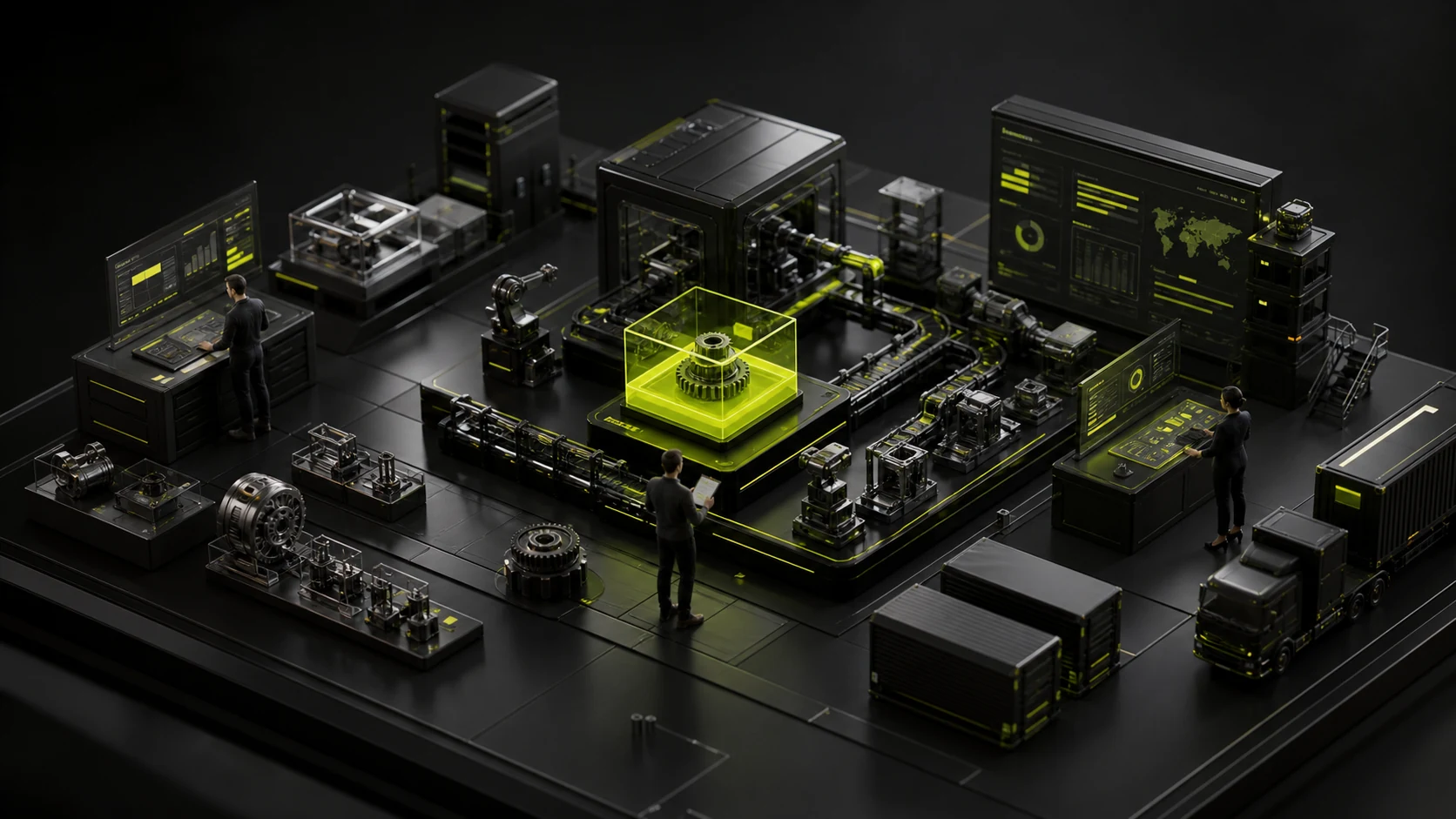
Manufacturing Brand Upgrade: From Product Strength to Global Expression
Many manufacturers have decades of experience, mature processes, and global customers, yet their websites and materials remain limited to product images, equipment lists, and “quality first.” Buyers cannot accurately perceive the real capability, leaving sales teams to explain it face to face.
 Branding
SaaS Branding: Align Website Acquisition and Product Experience
A SaaS brand may feel distinctive on its website, then become completely different after signup as colors, voice, icons, and information patterns change. Marketing attracts users, but the product experience fails to fulfill the expectation.
 Branding
Tech Company Branding Beyond Blue Gradients and Abstract Light
After replacing the company name, many technology websites look almost identical: dark backgrounds, glowing spheres, flowing lines, and oversized English type. The style looks advanced but does not help customers remember what the company actually does.
 Branding
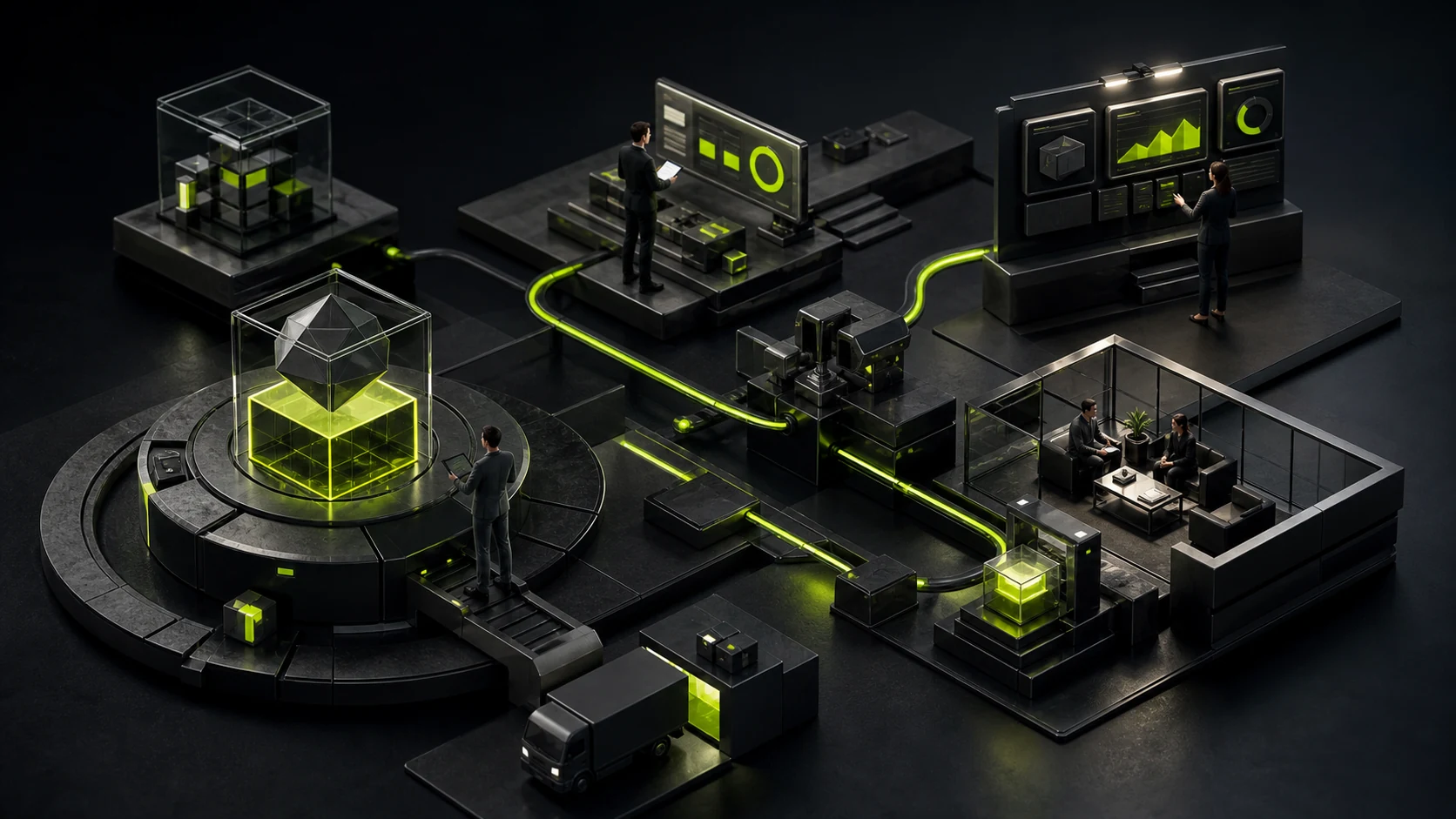
B2B Branding: Build Clear Differentiation Beyond Credibility
Many B2B companies have competent logos, colors, and taglines, yet look interchangeable beside competitors. Everyone claims technology leadership, customer focus, and global service, so buyers fall back on price and relationships.
 Interface Design
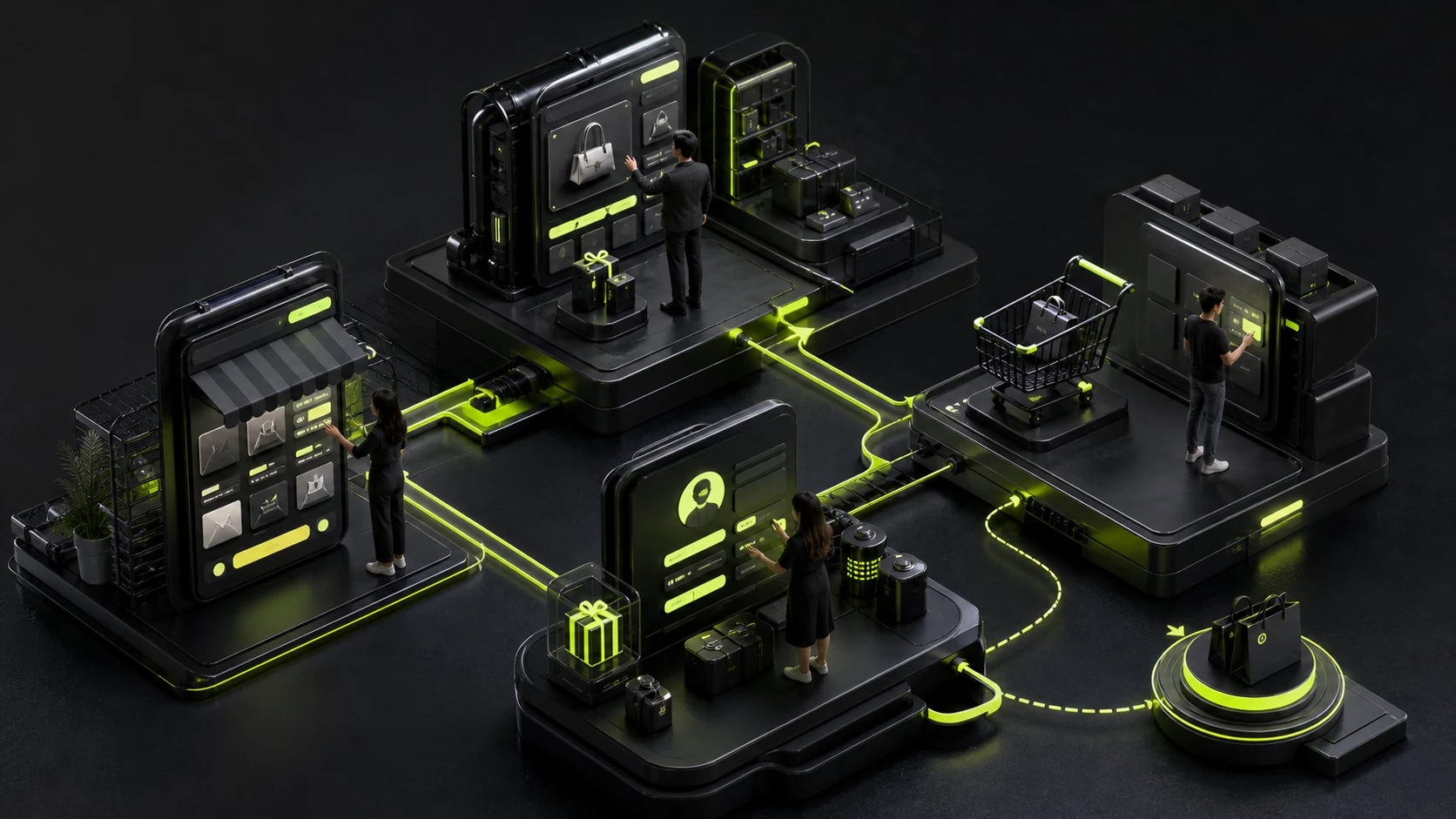
Mini Program Store Design: Home, Product, Cart, and Member Paths
Users may enter a mini program from a group chat, Moments, an official account, or an offline QR code, landing directly on a product page instead of the homepage. If the design assumes one fixed, layered path, shared traffic gets lost immediately.
 Interface Design
Low Product Retention: What UI/UX Can and Cannot Fix
When product retention is low, teams often conclude that the interface is not usable enough. Experience can cause churn, but users may also leave because tasks are infrequent, results are untrustworthy, content is insufficient, or competing options are more convenient.
 Interface Design
How to Design Onboarding Users Will Not Skip or Forget
Back-to-back popups, mandatory carousels, and long videos may make a team feel that everything was explained, yet users still do not know how to apply the product to their own work.
 Interface Design
How to Design Complex Forms for Higher Completion Rates
Enterprise applications, account opening, insurance, healthcare, and B2B configuration forms often cannot simply be shortened. The real problems are unclear reasons for questions, unavailable materials, late errors, and repeated data entry.
 Interface Design
Accessible UI Design: 10 Issues Companies Should Fix First
Many teams treat accessibility as adding alt text to images or running one automated scan after launch. In reality, whether users can read content, find focus, understand controls, recover from errors, and continue after zooming is determined much earlier in design.
 Interface Design
Why the Live Product Differs from the Design: A Collaboration Guide
Designers may feel that development missed the design, while developers may find that states and dimensions were never specified. Responsive behavior and real data often remain undefined until launch. Pixel-by-pixel overtime cannot solve these conflicts at the root.
 Interface Design
UI Design or Development First? The Right Sequence by Stage
Developing everything before adding design often hardens early assumptions into code. Requiring every page to be designed before technical work begins can also delay architecture validation.
 Interface Design
How to Evaluate Professional UI Design: 10 Quality Standards
A design may look refined in a presentation but fail in the real product when long copy does not fit, error states are missing, mobile layouts break, and components cannot be reused.
 Interface Design
Product UI Redesign: Diagnose Problems or Change the Style First?
“The page does not feel premium enough” is often only a surface description. The real issue may be confused information priorities, detours in core tasks, missing component states, or even a changed product position.
 Interface Design
How to Redesign APP UI Without Disrupting User Habits
Existing users develop muscle memory around entry-point locations, operation sequences, and feedback. Changing navigation, copy, icons, and interactions all at once can reduce experienced-user efficiency even when individual pages look better.
 Interface Design
How to Design a Software Free Trial
Many SaaS trials ask users to configure a team, import data, and understand numerous concepts immediately after registration. Users leave before seeing a result. Other products lower the barrier by opening every feature but offer no clear next step.
 Interface Design
How to Optimize App Store Pages: Titles, Screenshots, and Reviews
When users reach the App Store, they often decide after seeing only the icon, title, rating, and first few screenshots. Product teams, however, often turn screenshots into a complete feature directory: the first says welcome, the second presents the brand, and the real value appears later.
 Web Insights
How to Evaluate Corporate Website Code Quality
Some projects build successfully and open normally, yet a copy change affects several pages. Some components appear reusable but contain so many conditional branches that eventually no one dares to modify them. Code standards are valuable not because they “look professional,” but because they reduce the risk and cost of future changes.
 Web Insights
How Should a Corporate Website Connect to CRM? From Form Submission to Sales Follow-Up
Before developing an interface to connect a corporate website to CRM, clarify the entry points, fields, identity checks, routing, and failure handling. Writing form data into the system completes only one transfer. Whether the person responsible receives the full request, how duplicate records are handled, and how results are returned determine whether the subsequent workflow remains usable.
 Web Insights
How to Choose a Corporate Website Server
One corporate website may contain only a few dozen static pages, while another includes a CMS, search, forms, multiple languages, memberships, and extensive media. Comparing only CPU, memory, and annual fees can lead to overspending or instability when capacity is actually needed.


